REVIEW · BERLIN
Berlin: 3-Hour Private Tour in French or Italian
Book on GetYourGuide →Operated by Kaibel & Erdmann Stadtrundfahrten OHG · Bookable on GetYourGuide
Berlin can feel like a puzzle.
A private 3-hour ride through major sights turns the pieces into a story, and it helps that you can hear it in French or Italian. I like the way the tour is built for real time pressure, not museum-mode wandering.
The best part is the setup: you get a small group (up to 8), a business-class vehicle with air-conditioning and microphones, and a guide who can keep the pace moving without losing the meaning. I also love the flexibility, with 1–2 stops you can choose from the landmark list, so you can prioritize what matters most for your trip.
One consideration: because it’s only 3 hours and entrance fees aren’t included, you’ll see plenty from the outside and at viewing stops—this isn’t a slow, ticket-and-ticket experience where you linger everywhere.
In This Review
- Key highlights that make this tour work
- A 3-hour Berlin orientation you can actually use
- How the flexible route works in real life
- Comfort matters: air-conditioning, microphones, and a driver who handles traffic
- The power-and-history core: Reichstag, Government Quarter, and the capital vibe
- Unter den Linden, Staatsoper, Museum Island, and the classic Berlin walk-in your mind
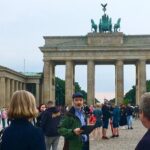
- Brandenburg Gate and Potsdamer Platz: icons with a WWII and Cold War backstory
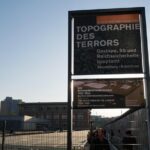
- Berlin Wall remains: the stop that changes how you see everything else
- Nikolaiviertel, Gendarmenmarkt, and the romantic-symmetry side of Berlin
- From Charlottenburg Palace to Memorial Church: going west for atmosphere and meaning
- KaDeWe, Victory Column, and the Berlin of daily life and big statements
- Bellevue Palace, Kongresshalle, and the visual language of the 20th century
- What you’ll be like after 3 hours (and what you won’t)
- Price and value: $542 per group can be a bargain or a splurge
- Language experience: French or Italian, and why it matters
- Who should book this private Berlin tour
- Should you book this tour
- FAQ
- How long is the Berlin private tour?
- What languages are the live guides available in?
- What is the group size for this experience?
- What does the tour cost?
- Is pickup and drop-off included?
- Where can pickup happen?
- Is the tour vehicle air-conditioned?
- Are entrance fees included?
- Are food and drinks included?
- What is the cancellation and payment flexibility?
Key highlights that make this tour work
- French or Italian live guide: easier listening means a better sense of the big picture.
- Small group size (up to 8): more focused attention than the big-bus crowd.
- Mic and air-conditioned vehicle: comfortable in real city conditions, even when it’s busy outside.
- Berlin Wall-era context: you don’t just point at the Wall remains—you connect them to WWII and the Cold War.
- Flexible stop choices: you steer the route with 1–2 picks from a long landmark list.
A 3-hour Berlin orientation you can actually use
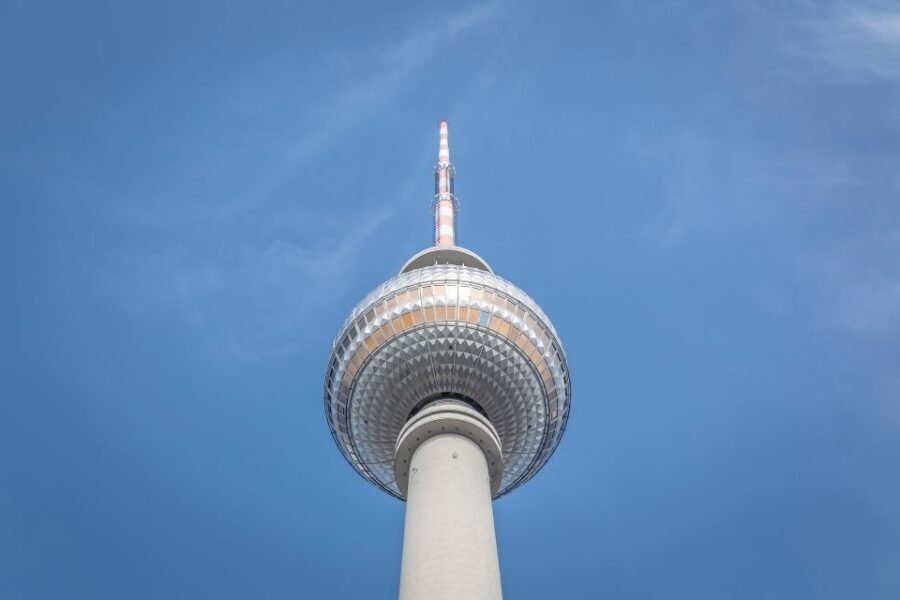
This tour is designed for the moment you want Berlin to make sense fast. In a single afternoon you can cover the government core, the classic central avenues, and major Cold War touchpoints, without spending your limited time figuring out transit or standing in the wrong lines.
What helps most is that the guide doesn’t treat Berlin like a checklist. The Wall remains, WWII scars, and the Cold War story are woven into the route, so when you see places like the Brandenburg Gate or the Reichstag area, you understand what they meant at the time—not just how they look now.
And yes, you’ll still be doing a lot of looking out the window. But with microphones and a private vehicle, the “fast overview” format stays informative rather than chaotic.
You can also read our reviews of more private tours in Berlin


How the flexible route works in real life
The tour is private, so you’re not stuck with a single rigid script. After pickup in Berlin’s city center, you can choose which landmarks you want to include, with 1–2 stops added from your preferred picks.
From there, the guide and driver build a sensible route through a long set of options, including:
- Reichstag and the Government Quarter’s newer buildings
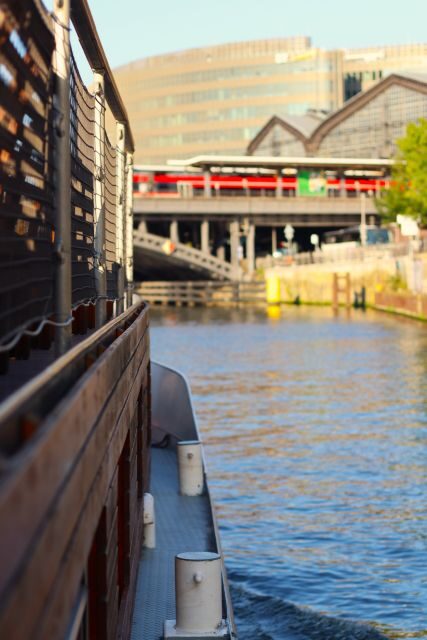
- Main Train Station
- Brandenburg Gate, Unter den Linden, Staatsoper, Museum Island
- TV Tower, Nikolaiviertel, Gendarmenmarkt, Potsdamer Platz
- Remains of the Berlin Wall
- Philharmonie, Synagoge
- Charlottenburg Palace and Memorial Church
- KaDeWe, Victory Column, Bellevue Palace
- Kongresshalle
The practical benefit: if you care more about architecture, you can lean toward the central sights. If you want the Cold War story, you can push harder toward the Wall remains and nearby landmarks.
Comfort matters: air-conditioning, microphones, and a driver who handles traffic
Berlin’s streets can be a mix of complicated and crowded. Having a private sedan or minivan with air-conditioning means you start fresh instead of arriving already overheated and stressed.
The microphones are a bigger deal than they sound. At street level, buses and traffic make it hard to hear even a good guide. Here, you get clearer explanations as you move between stops and viewing points, which is exactly what you want in 3 hours.
It’s also a VIP-style setup in the best way: your driver and guide handle the driving and timing, while you focus on watching and asking questions.
The power-and-history core: Reichstag, Government Quarter, and the capital vibe
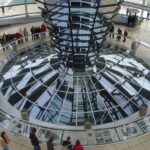
You’ll likely see the Reichstag area and the newer buildings around the Government Quarter. This is where Berlin shifts from “old city postcard” to “Germany’s political machine,” and a guide helps you read the layers quickly.
Even if you don’t go inside any big sites (entrance fees aren’t included), you can still understand why this area carries symbolism. The Reichstag is tied to Germany’s modern political story, while the surrounding government buildings show the post-war rebuilding mindset.
If you want a short, coherent framing of the city, this is where it starts. It’s hard to appreciate the rest of Berlin without first spotting where power sits in the map.
Unter den Linden, Staatsoper, Museum Island, and the classic Berlin walk-in your mind
Unter den Linden is Berlin’s signature straight-line promenade idea, and seeing it via a guided route is useful when you’re short on time. The guide can point out what you’re looking at and why it matters: the broad cultural identity running through theatres, museums, and historic institutions.
The tour can also include:
- Staatsoper (Staatsoper Unter den Linden area)
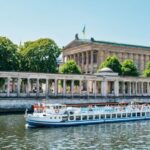
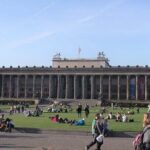
- Museum Island (a cluster that signals how seriously Berlin treats learning and culture)
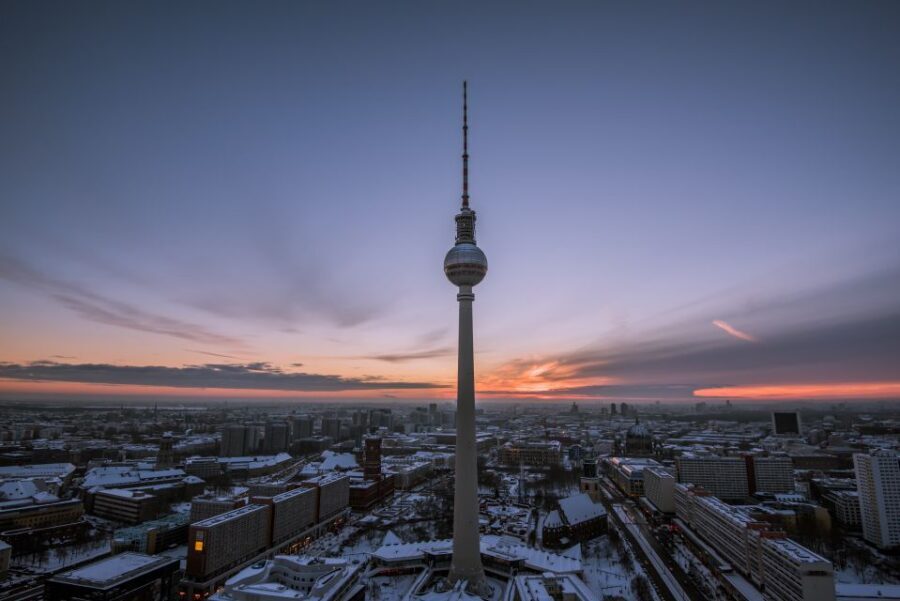
- TV Tower (useful as a visual anchor for the city’s skyline)
The value here is interpretation. Museum Island isn’t just a place you’ve heard of. With context from the guide, you start understanding why these institutions sit where they do and how Berlin wants to present itself as a modern cultural capital.
You can also read our reviews of more tours and experiences in Berlin


Brandenburg Gate and Potsdamer Platz: icons with a WWII and Cold War backstory
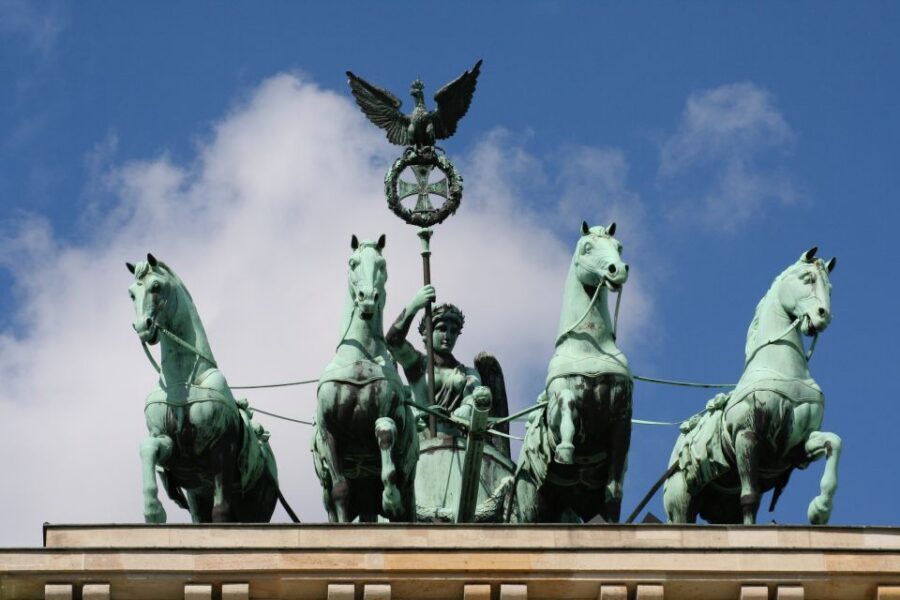
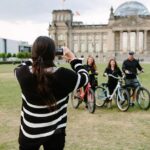
Brandenburg Gate is the kind of landmark everyone recognizes—yet it lands differently when you get the political history behind it. A good guide connects it to the shifts Berlin went through during WWII and the Cold War, turning the gate from a photo stop into a meaning stop.
Potsdamer Platz is another major anchor, and it’s often a turning point in your mental map of Berlin. It’s a place where history and redevelopment sit close together, so you can feel how the city reassembled itself after being torn apart.
If you only have one shot to connect “what Berlin used to be” with “what Berlin is now,” these central icons are a smart use of your 3 hours.
Berlin Wall remains: the stop that changes how you see everything else
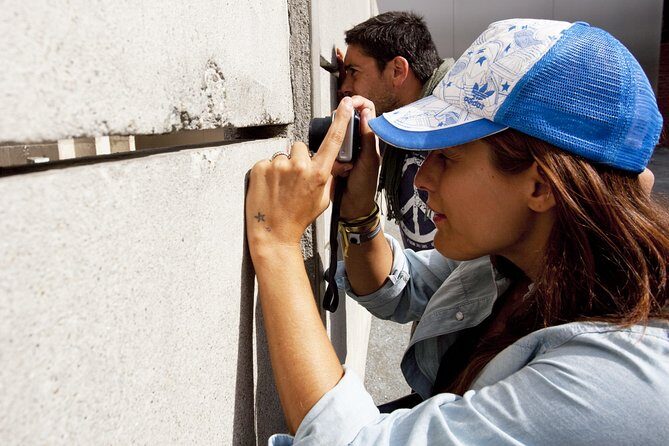
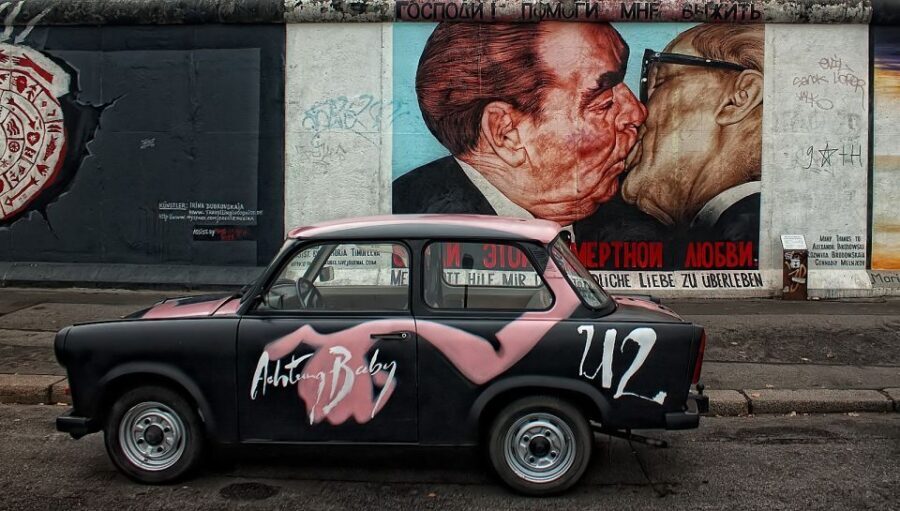
You’ll have the option to visit the remains of the Berlin Wall. This is the heart of the tour’s promise: you’re not just seeing a landmark, you’re learning how Berlin life during WWII and the Cold War shaped the city’s streets and mindset.
Walking past Wall remains with an expert guide helps you understand the scale and logic of separation—where it mattered, what it meant, and how it reshaped neighborhoods. Even if you only spend a short time at the stop, the explanation is what makes it stick.
This is also one of those moments where being on a private tour pays off. You can ask the “why here” questions without feeling rushed or squeezed by a crowd.
Nikolaiviertel, Gendarmenmarkt, and the romantic-symmetry side of Berlin
Berlin isn’t only war and politics. The tour can also include areas like:
- Nikolaiviertel
- Gendarmenmarkt
These stops give you a visual rhythm—small-city charm mixed with iconic planning. They’re helpful for resetting your brain after heavier historical moments.
A guide can also help you spot architectural cues you might otherwise miss. In a short tour, this is how you get more from fewer stops: you learn what to notice, instead of trying to figure it out on the fly.
From Charlottenburg Palace to Memorial Church: going west for atmosphere and meaning
Charlottenburg Palace brings a different tone to the route. It’s a way to see Berlin not just as a modern capital, but as a city with older royal and cultural gravitas.
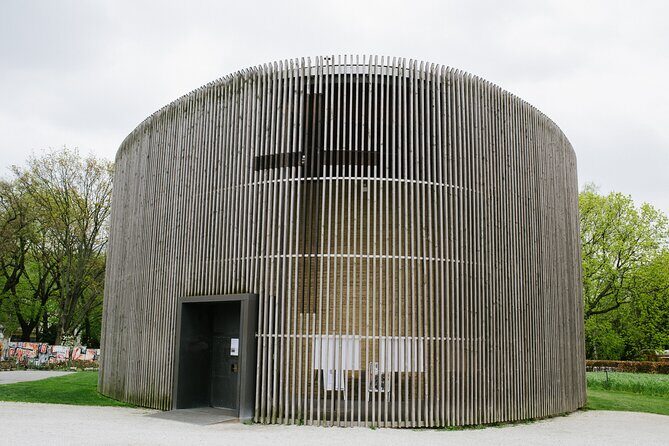
The Memorial Church (as listed on the tour options) adds a reflective contrast. When you pair the palace atmosphere with a memorial stop, you get a better sense of how Berlin holds both grandeur and grief in its urban identity.
This part of the tour is especially valuable if you want a balanced feel rather than a single-themed Berlin lesson.
KaDeWe, Victory Column, and the Berlin of daily life and big statements
KaDeWe is a recognizable name, and including it makes sense if you want a quick peek at Berlin’s consumer culture. It’s a contrast to government buildings and monuments, reminding you Berlin is lived-in, not only historic.
Victory Column is another “big statement” landmark. Even from outside, it signals how Berlin expresses power and memory through architecture and placement.
When the guide explains what you’re seeing, these stops stop being random and start being part of the broader story: how the city marks achievements, grief, and identity in public space.
Bellevue Palace, Kongresshalle, and the visual language of the 20th century
Toward the end of the route, options like Bellevue Palace and Kongresshalle can add another layer to your understanding of Berlin’s 20th-century trajectory.
If you’ve been focusing on the Wall and WWII context, these landmarks help you round out the picture: not just the rupture, but the decisions and institutions that followed.
It’s a good reminder that Berlin history isn’t frozen in museums. It’s written into buildings, sightlines, and the way districts connect.
What you’ll be like after 3 hours (and what you won’t)
By the end, you should feel like you understand Berlin’s layout: where the big political and cultural zones sit, where Cold War history surfaces, and where older Berlin character appears.
But you won’t have time for deep ticket-based visits everywhere. Entrance fees aren’t included, so if there’s a “must enter” site for you, you’ll want to plan a separate outing after this tour.
Think of this as orientation with meaning. It’s the kind of tour that helps you enjoy your next day more, not just fill time.
Price and value: $542 per group can be a bargain or a splurge
The price is $542 per group (up to 8 people) for 3 hours. That means the real question isn’t just the total—it’s your group size.
- If you fill the group with 6–8 people, the cost per person drops a lot, and it starts to feel like excellent value for a private guide + comfort.
- If it’s just two of you, the price per person is much higher, so this is best when you want the private experience and you value having your guide tailor the stops.
This tour’s value comes from three things you don’t easily replicate on your own: a tight 3-hour flow, a guide who explains the WWII/Cold War context while you move, and an air-conditioned vehicle with microphones.
Language experience: French or Italian, and why it matters
The tour guide speaks French or Italian, live. In practice, that reduces friction. You can ask clearer questions, follow the narrative more tightly, and enjoy the trip without translating in your head.
In one past tour example, a guide named Cristina was described as very kind and adaptable to route changes, with excellent French. If you get her (or a similarly fluent guide), you’ll likely feel the difference immediately: history becomes understandable, not just factual.
Who should book this private Berlin tour
This is ideal if:
- you only have a short stay and want the city to make sense fast
- you prefer private guidance over crowds
- you want to learn Berlin’s WWII and Cold War story without building your own itinerary
- you care about comfort—especially if it’s warm or you’re hopping between far-flung areas
It’s also a strong fit for couples, small families, and friends who can share the cost and enjoy conversation with a guide who can adjust the route.
Should you book this tour
I’d book it if you want a smart Berlin foundation in 3 hours, especially with a private guide who can connect landmarks to real events. It’s particularly worth it when your schedule is tight and you don’t want to waste time guessing what to see.
Skip it if you want to spend most of your day inside major attractions, because entrance fees aren’t included and the format is built around quick viewing stops plus guided context.
If you’re deciding between doing Berlin solo or with a guide, this private tour is the “save your brain” option: you get the overview now, then you use the rest of your trip to go deeper where you actually care.
FAQ
How long is the Berlin private tour?
The tour lasts 3 hours.
What languages are the live guides available in?
The live tour guide speaks French or Italian.
What is the group size for this experience?
It’s a private group with up to 8 people.
What does the tour cost?
The price is $542 per group (up to 8 people).
Is pickup and drop-off included?
Yes. Pickup and drop-off in Berlin city center are included.
Where can pickup happen?
Pickup is included from your hotel or any pickup location you suggest in Berlin’s city center. The driver will hold a sign with your last name. Pickups outside the Berlin city centre may have an additional fee.
Is the tour vehicle air-conditioned?
Yes. Transport is via a business-class vehicle equipped with air-conditioning.
Are entrance fees included?
No. Entrance fees are not included.
Are food and drinks included?
No. Food and drinks are not included.
What is the cancellation and payment flexibility?
You can cancel up to 24 hours in advance for a full refund. You can also reserve now and pay later.