REVIEW · BERLIN
Berlin: Alternative Street Art Tour
Book on GetYourGuide →Operated by Virtual Travel · Bookable on GetYourGuide
Street art in Berlin is everywhere. This tour helps you see it on purpose, with a guided walk that links murals and graffiti to the people and projects behind them.
I especially like the focus on the underground art scene—not just photos of walls, but the meanings, messages, and artists you might otherwise miss. I also like that the route is flexible, so you can get more of what you care about and less of what you do not, depending on the group and the weather.
One thing to consider: you are walking and looking closely, so if you want quiet, sit-down sightseeing the whole time, this may feel a bit too active.
The meeting point is easy to find and the tour is only 4 hours long, which makes it a good fit even if your Berlin schedule is packed. You start at Generator Berlin Alexanderplatz, then move through the Friedrichshain, Kreuzberg, and Neukölln districts with expert commentary in English. And in at least one highlighted guide name from past participants, Ronja gets called out for being fun and informative, which is exactly the vibe you want for street art.
Still, don’t plan on this replacing a full food tour or nightlife binge. The guide gives tips for food, live music, and clubs, but the tour itself does not include meals or drinks.
In This Review
- Key things to know before you go
- Why this Berlin street art tour feels different
- Meeting point: the white umbrella at Premier Inn Alexanderplatz
- The 4-hour route across Friedrichshain, Kreuzberg, and Neukölln
- Friedrichshain: murals, graffiti, and the stories behind the paint
- Kreuzberg: squats and community projects you can actually talk about
- Neukölln: parks, Späti culture, trendy bars, and late-night Berlin
- Flexible routing: why “tailored to your day” is a real advantage
- What you get for $22: value that makes sense for 4 hours
- The social side: meeting people without trying too hard
- Who this tour is best for (and who should think twice)
- Tips to get the most out of the walk
- Should you book the Berlin Alternative Street Art Tour?
- FAQ
- FAQ
- How long is the Berlin Alternative Street Art Tour?
- How much does the tour cost?
- Where do I meet the tour?
- Where does the tour end?
- What areas of Berlin does the tour cover?
- Is the tour guided in English?
- Is food and drinks included?
- What is included in the tour price?
- Can I get a refund if I need to cancel?
- Is the tour wheelchair accessible?
Key things to know before you go
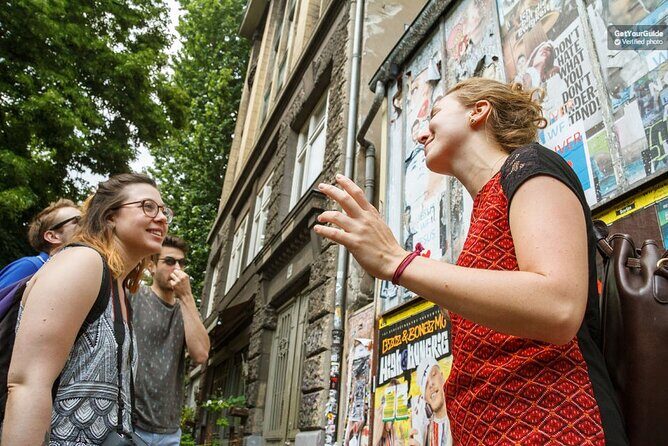
- Start at Generator Berlin Alexanderplatz and follow the directions to the white umbrella in front of the Premier Inn Berlin Alexanderplatz Hotel.
- 4 hours with a flexible route, adjusted for your group’s interests and the weather.
- Friedrichshain, Kreuzberg, and Neukölln coverage means you see different street art moods, not just one neighborhood.
- Expect squats and community projects to be part of the story, not an afterthought.
- You’ll make time for parks and Späti-style late-night shops, plus stops at trendy bars for atmosphere.
- You get insider guidance for live music spots, clubs, and local dining, even though food and drinks are not included.
Why this Berlin street art tour feels different
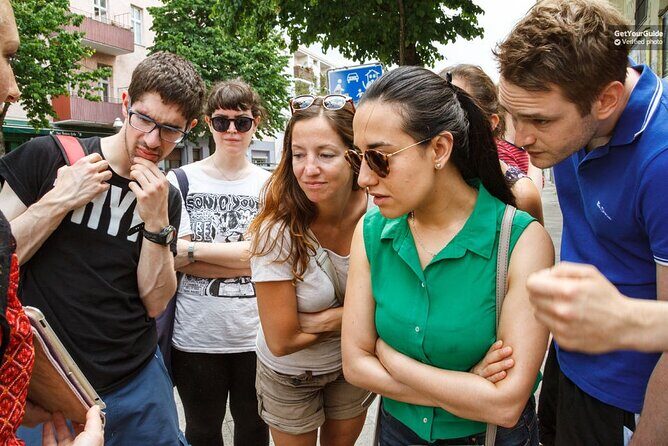
Berlin street art can look like random color at first glance. The trick is learning how to read it: the placement, the timing, the way tags and murals can react to what is happening nearby. This tour is built for that skill. You do not just walk past walls. You listen to what the artwork is saying, and who it speaks to.
I like that the tour treats graffiti and street art as part of Berlin’s social wiring. The guide brings in community projects and the city’s alternative living culture, including famous squats. That context matters because Berlin’s street art does not hang on a museum wall for decoration. It grows from neighborhoods, disputes, collaborations, and local identity.
It also helps that the guide can change the plan. Street art is weather-dependent. Lighting changes how murals look. Rain changes which alleyways feel worth the squeeze. With flexibility, you are more likely to see what works that day instead of marching through a fixed checklist that ignores reality.
You can also read our reviews of more tours and experiences in Berlin

Meeting point: the white umbrella at Premier Inn Alexanderplatz
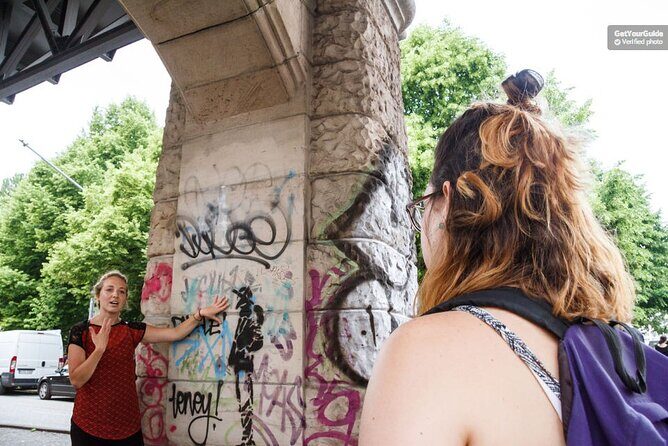
You meet at Generator Berlin Alexanderplatz, and the practical detail that saves time is this: look for the white umbrella in front of the Premier Inn Berlin Alexanderplatz Hotel. Be on time because you need to catch the train—so do not show up “close enough.”
This is more than a trivia point. Berlin has a lot of meeting points that sound similar. The umbrella detail makes it easy to locate the group quickly, and it reduces that awkward moment of checking everyone’s faces. If you like friction-free starts, this one is designed for you.
The 4-hour route across Friedrichshain, Kreuzberg, and Neukölln
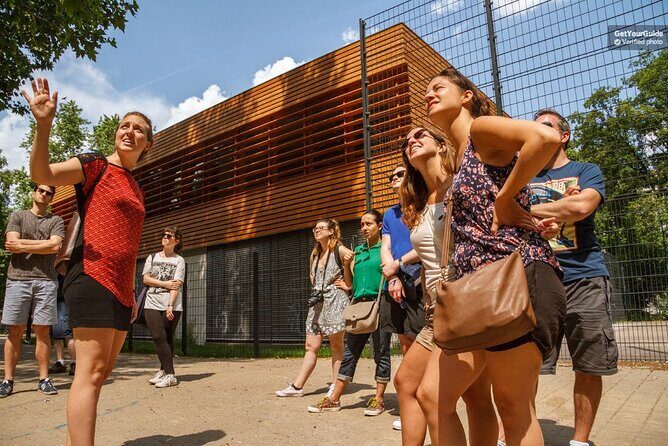
The tour is described as a guided walk through three districts: Friedrichshain, Kreuzberg, and Neukölln. That trio is useful because each area has its own street art personality. You can expect big visual statements in some places and quieter, more tucked-away work in others—especially in alleyways.
The route is also flexible. Your guide adjusts based on your group’s interests and the weather. That means you might spend more time talking about certain styles of graffiti, or you might shift toward outdoor murals or sheltered passages depending on how the day feels.
While the tour covers all three districts, it is not trying to cram every wall into your memory. It focuses on what the art is communicating and how community projects connect to that creative expression. For me, that is the value. You leave with a way to look at Berlin again after the walk ends.
Friedrichshain: murals, graffiti, and the stories behind the paint
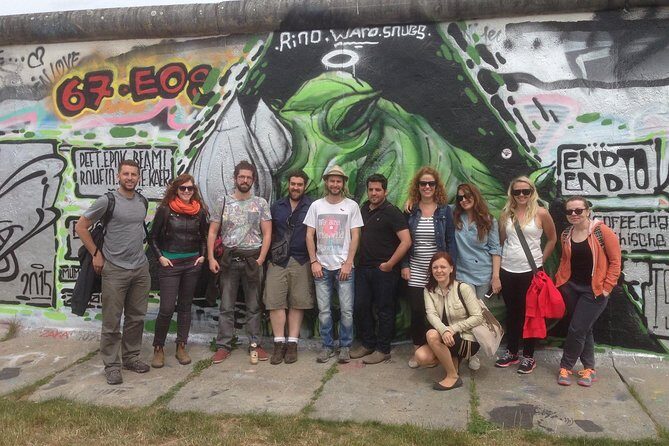
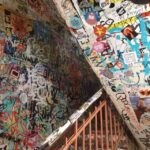
In Friedrichshain, the street art tends to feel more like a public conversation than a private tag. You’ll encounter different formats—large-scale murals and also smaller pieces tucked into less obvious spots. The guide helps you read the differences instead of treating them all as the same “street art” category.
What I like here is the emphasis on stories and messages. You learn that some works are political, some are personal, and some are about belonging. That explanation changes how you look at the walls. After a good guide, you start noticing recurring themes—identity, protest, humor, and sometimes local grief or resilience—without needing someone to point every single thing out.
You also get a sense of the underground art scene as something lived in, not staged. The guide connects the art to alternative culture and creative expression happening in the city, which makes the murals feel less like decoration and more like communication.
Kreuzberg: squats and community projects you can actually talk about
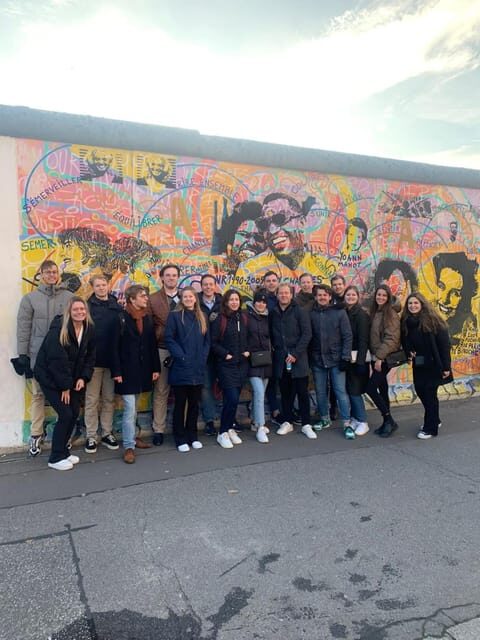
Kreuzberg is where the alternative culture angle becomes more than background noise. This tour includes visits to notable squats and community projects, and that changes the conversation around street art.
When you learn the links between a wall and a community space, the art stops feeling random. It becomes easier to understand why certain symbols, slogans, or styles show up where they do. Even if you do not agree with every message, you can still respect the logic: street art is often a sign of who has space, who does not, and how people push back.
Practical note: these parts of the city can involve walking through areas with different levels of foot traffic and lighting. Since the tour is guided and flexible, you are not stuck wandering on your own trying to find the right side streets. You also get a safer, more confident pace for looking closely.


Neukölln: parks, Späti culture, trendy bars, and late-night Berlin
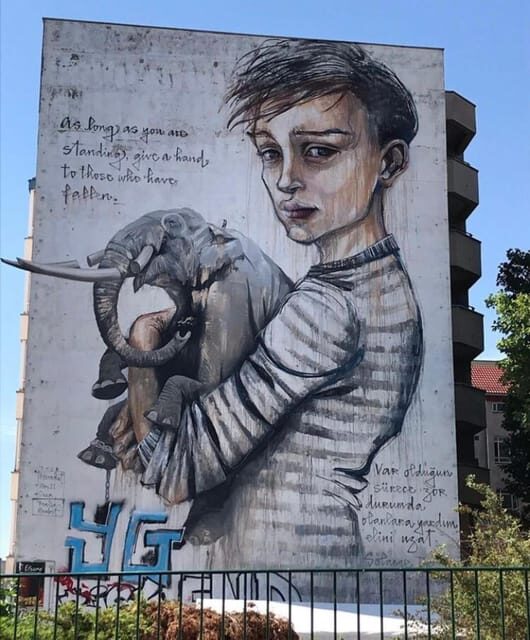
By the time you reach Neukölln, the tour leans into the everyday rhythm of alternative Berlin. You’ll spend time in parks and you’ll also stop by quirky Späti-style late-night shops—those corner convenience stores that feel like a Berlin institution.
This is where you get a different kind of insight. Street art matters, yes. But Berlin culture also lives in what locals do between big plans. Späti stops are a perfect example of that. Even if you do not buy anything, you learn how the city’s social life works in small moments.
The tour also includes exploration of trendy bars where you can soak in local atmosphere. The key word here is atmosphere. This is not a formal sit-down. It is more like a guided glimpse so you know what to look for when you wander on your own later.
And because Berlin nights move fast, the guide throws in insider tips for live music venues, clubs, and local dining spots. Food and drinks are not included, so these tips are your “go after the tour” map. That’s a smart setup: you get direction while you’re fresh, then you choose what sounds right.
Flexible routing: why “tailored to your day” is a real advantage
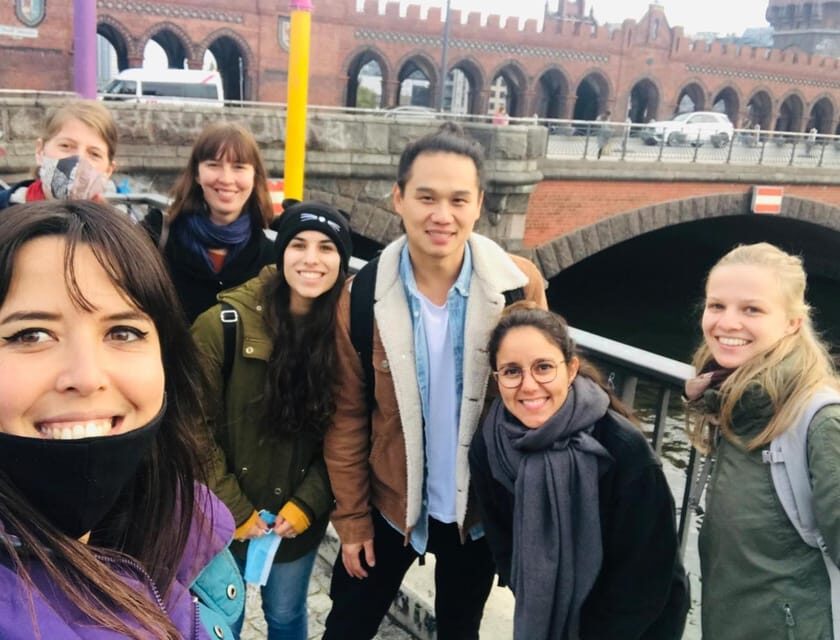
A fixed route sounds comforting. In practice, Berlin street art changes with the day. Light, weather, and even the group’s energy matter. This tour is built to adjust its route based on weather conditions and the group’s interests.
For you, that means less time forcing yourself to “power through” places that are less interesting in gray skies or when it’s raining. It also means the guide can spend more time where you are most curious—whether that is interpreting mural messages, spotting hidden spots in alleyways, or learning how community projects tie into alternative living culture.
It also makes the tour feel more personal without turning into a private guide situation. You still move as a group, but you are not stuck watching someone else’s priority become your afternoon assignment.
What you get for $22: value that makes sense for 4 hours
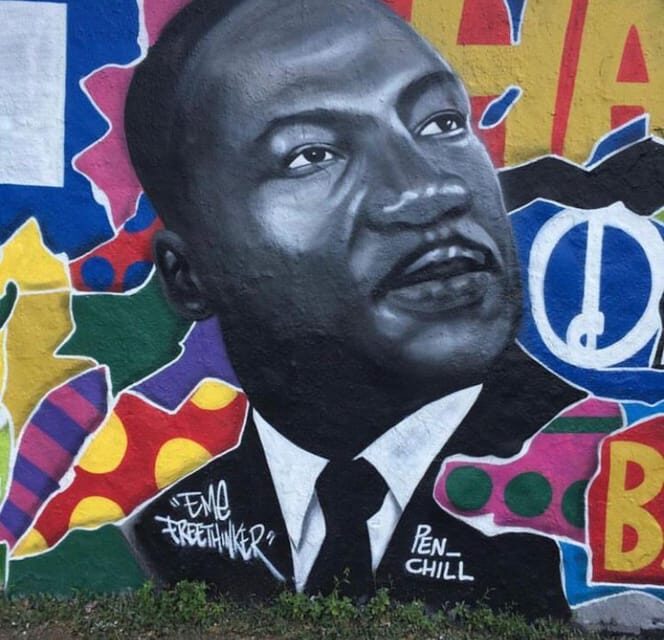
At $22 per person for a 4-hour guided experience, this tour sits in the “low-cost, high-learning” category. You are paying for more than walking. You are paying for interpretation: expert commentary on street art, graffiti, alternative culture, plus visits tied to squats and community projects.
The other value is the aftertaste. You get insider tips on food, live music, clubs, and nightlife spots. That can easily add up if you would otherwise wander into tourist-trap places or waste time guessing what’s worth your evening.
Food and drinks are not included, so you should plan to budget a little extra if you want a beer or a snack along the way. But that is also why $22 is realistic. You are not locked into set menus or a group meal. You stay flexible.
The social side: meeting people without trying too hard
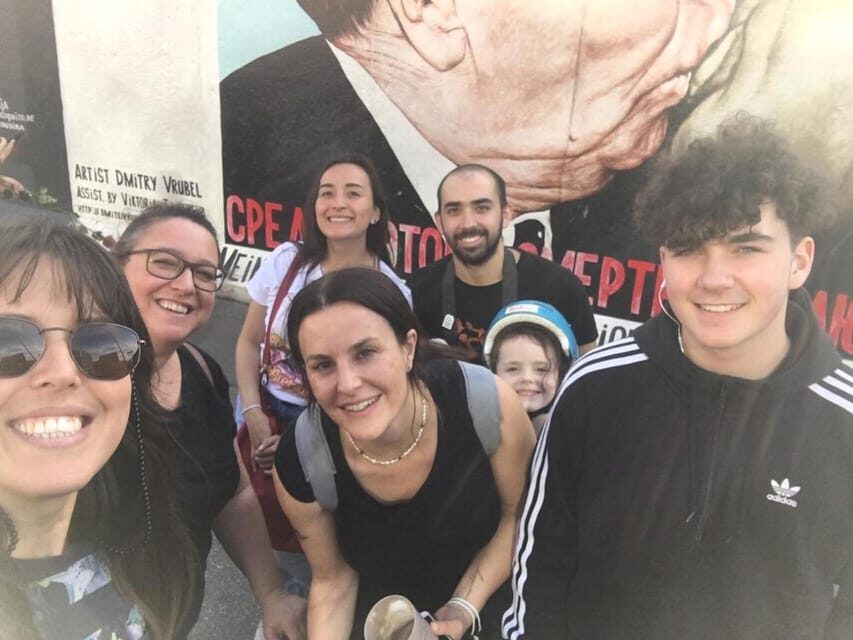
This tour is described as having a social atmosphere that is good for meeting fellow travelers. For street art walks, that matters because the conversation naturally grows as you talk about what you see. When people compare impressions—political messages, style choices, why something looks “fresh”—the walls become clearer.
You also tend to get practical travel chatter: where to eat, which neighborhoods feel safe to walk at night, and how people are structuring their Berlin days. The guide adds structure, but the group energy keeps the walk from feeling like a lecture.
Who this tour is best for (and who should think twice)
This is a great fit if you:
- want to understand Berlin street art beyond selfies
- like walking between neighborhoods rather than sitting in one museum room
- enjoy alternative culture topics like community projects and squats
- want a guided way to find nightlife options, including live music and clubs
- appreciate flexible plans that adjust for weather and group interests
It may not be ideal if you:
- hate walking and prefer mostly transit or indoor stops
- want a tour with included food and drinks
- need a strict itinerary with zero surprises
Tips to get the most out of the walk
Before you go, keep your expectations simple. You’re not there to memorize every artist name. You’re there to learn how to look. Bring a phone or camera if you like, but try to spend time absorbing the guide’s explanations while you’re there, not only after.
Also plan your timing. The tour is four hours. If you schedule it right before dinner plans, you’ll leave with good ideas for where to eat. If you schedule it too late at night, you might feel rushed for the nightlife tips.
Finally, wear shoes you actually trust. This kind of walk is about reading walls up close, turning into alleys, and moving between areas.
Should you book the Berlin Alternative Street Art Tour?
If you like street art but want more than pictures, I’d book it. The best reason is the mix of street art interpretation plus real-world context: squats, community projects, and the everyday places that shape Berlin nightlife and local life.
The second reason is value. $22 for a guided, English-language walk lasting four hours is a fair trade, especially because you also get practical directions for food, live music, clubs, and local dining after the tour ends.
One more push: the tour covers multiple districts—Friedrichshain, Kreuzberg, and Neukölln—so you get variety instead of a single-neighborhood repeat. And flexibility helps you see more of what works that day.
FAQ
FAQ
How long is the Berlin Alternative Street Art Tour?
The tour lasts 4 hours.
How much does the tour cost?
It costs $22 per person.
Where do I meet the tour?
Meet at Generator Berlin Alexanderplatz. Look for the white umbrella in front of the Premier Inn Berlin Alexanderplatz Hotel.
Where does the tour end?
It ends back at the meeting point.
What areas of Berlin does the tour cover?
The tour explores Friedrichshain, Kreuzberg, and Neukölln.
Is the tour guided in English?
Yes. There is a live tour guide in English.
Is food and drinks included?
No. Food and drinks are not included.
What is included in the tour price?
You get a guided tour through the districts, expert commentary on street art and alternative culture, visits to notable squats and community projects, time in parks and Späti-style late-night shops, exploration of trendy bars, and insider tips for live music venues, clubs, and local dining.
Can I get a refund if I need to cancel?
Yes. You can cancel up to 24 hours in advance for a full refund.
Is the tour wheelchair accessible?
Yes, it is wheelchair accessible.