REVIEW · BERLIN
Berlin: Decolonial Berlin Castle/ Humboldt Forum Guided Tour
Book on GetYourGuide →Operated by deSta- Dekoloniale Stadtführung · Bookable on GetYourGuide
Colonial history gets a new script here. I like this Afrocentric perspective because it reframes the Humboldt Forum and its palace story in plain, human terms, not just museum facts. I also love the way the guide pushes you to read the ethnological collection critically, using context for what you’re seeing.
One thing to consider: you’ll be seated outside for roughly an hour before you head into the museum, and the time inside is tight. If you want to linger for ages among objects, plan your expectations for a focused, guided pace.
In This Review
- Key things you should notice before you go
- The Humboldt Forum as a decolonial classroom, not a quick museum stop
- Meeting at the reconstructed Sanchi Gate and using that long outside time
- 500 years of palace history, retold with Afrocentric context
- Humboldt brothers and missionaries: science, empire, and the meaning of a cross
- Touring the ethnological collection with an audio walk and a critical lens
- Is it worth the $41 for two hours at Humboldt Forum?
- Who should book this decolonial Humboldt Forum tour
- Should you book this tour? My honest take
- FAQ
- How long is the Humboldt Forum decolonial guided tour?
- Where do I meet the guide?
- Is the tour offered in English?
- What is included with the ticket price?
- Is the tour wheelchair accessible?
- Are there any restrictions on what I can bring?
Key things you should notice before you go

- Afrocentric storytelling that connects Berlin’s palace with colonial-era power and cultural claims
- A critical analysis of the ethnological collection, not a neutral walk-through
- Humboldt brothers context, including why they matter in German history as scientists
- Missionaries and symbolism, including the roof cross and what it represents in the colonial setup
- An audio-walk inside the collection, so you’re analyzing as you go, not just listening
The Humboldt Forum as a decolonial classroom, not a quick museum stop

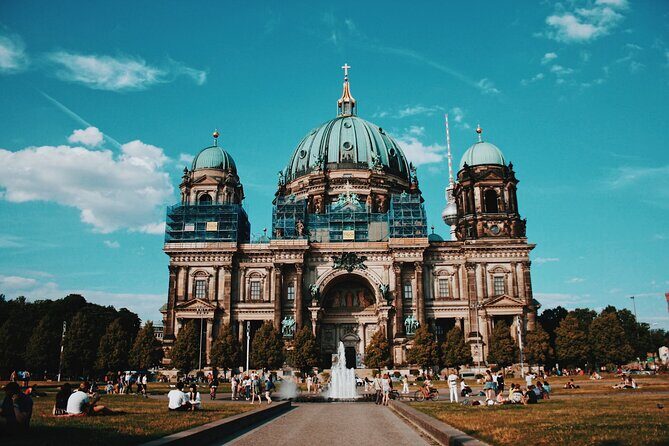
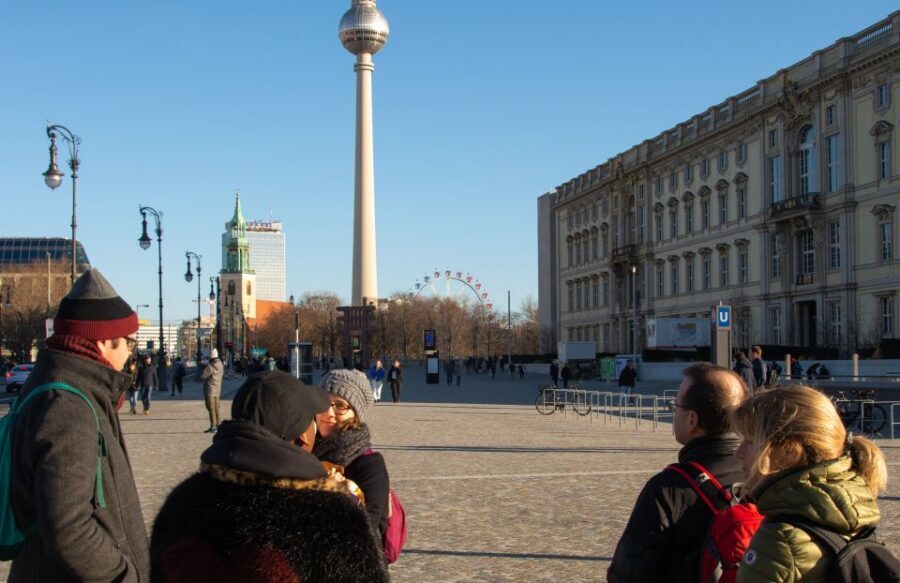
The Humboldt Forum sits right where Berlin likes to tell a grand story: palace, crown, culture, prestige. This tour treats that location like a question, not a backdrop. You’ll learn how the palace’s long timeline links to colonial thinking and how the museum’s collections carry that baggage into the present.
What makes the approach feel useful is that it doesn’t just say colonialism was bad. You get help connecting cause and effect: who collected objects, why they were collected, how those collections were framed, and how today’s interpretations can either hide or expose the power behind them. If you’ve visited other major museums and felt something was missing, this gives you a new set of lenses to use while you look.
You’ll also come away with a clearer sense of why “heritage” isn’t automatically neutral. Heritage is political when it’s built on extraction, unequal relationships, and missionary-era worldviews. The guide’s decolonial perspective keeps steering you back to that reality as you move from setting to setting.
You can also read our reviews of more guided tours in Berlin
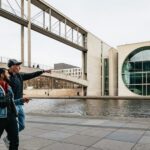
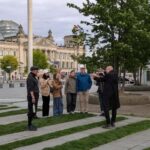

Meeting at the reconstructed Sanchi Gate and using that long outside time
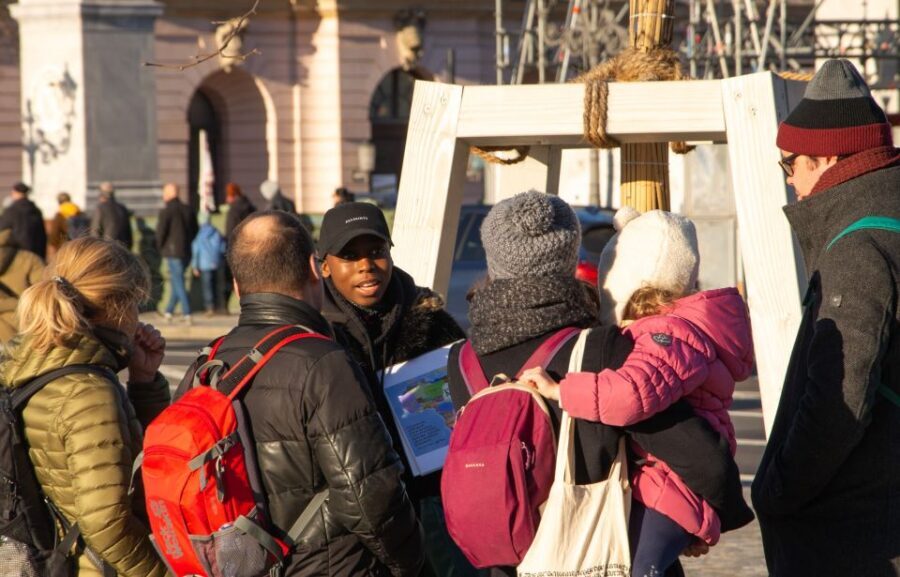
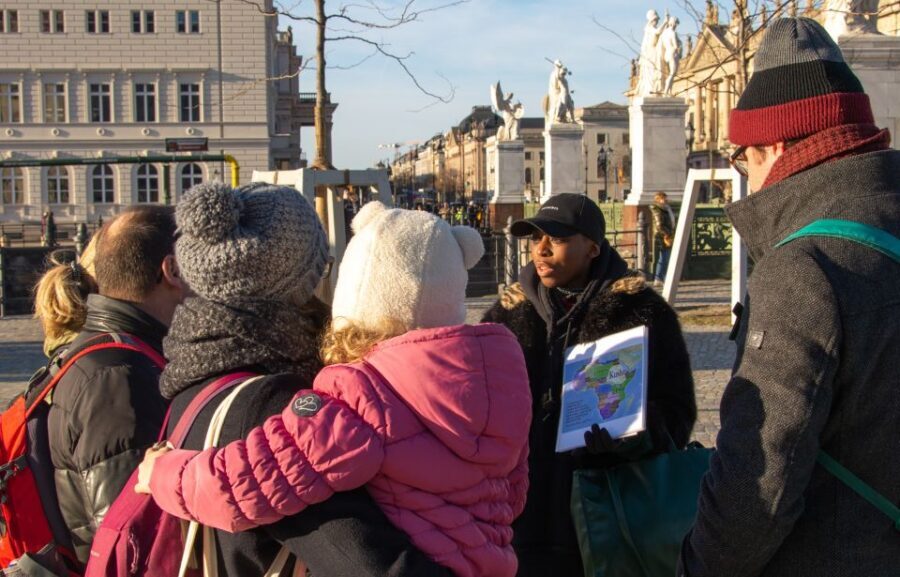
The tour starts near the reconstructed Sanchi Gate. It’s a good meeting point because it’s physical and easy to orient around, and the group is invited to sit on the white chairs while you wait.
That hour outside matters more than it seems. You’ll have time to get your bearings, settle in for the topic, and hear setup context before you step into the ethnological collection. It’s also a practical buffer for Berlin weather. Since you’ll be outside about an hour, dress for real conditions, not optimism.
Bring comfortable shoes. This isn’t described as a marathon walk, but you are spending time standing and moving inside and out. Also note the basic rules: no food and drinks, and no luggage or large bags. If you travel with a daypack, keep it small so you can move without hassle.
The tour is run in English, and it’s wheelchair accessible, so the pacing is designed for a mixed group. Still, it helps to arrive on time so you’re not stressed before the discussion starts.
500 years of palace history, retold with Afrocentric context

The palace behind the Humboldt Forum is often presented as a single, impressive timeline. Here, you’ll get a different framing—one that emphasizes what was happening alongside the architecture: colonial structures, cultural extraction, and the idea that European science and Christianity were destiny.
You’ll learn key facts about colonialism and how it connects to Berlin’s castle/palace story. The guide’s goal is to help you connect the dots between political power and cultural authority—why certain narratives got center stage, and why other voices were pushed out or treated as supporting characters.
What I like about this part is that it stays grounded. You’re not stuck with abstract theory. The tour uses specific elements—figures, institutions, symbols—to explain why the museum and the palace can feel like they’re telling one story, while the broader history actually includes many silenced ones.
Also, the focus on Afrocentric insights isn’t just decorative. It’s used to create new narratives for what you’re looking at. That means you’ll notice how interpretation shapes meaning: the same object can tell different stories depending on what context you’re given and whose knowledge counts as “official.”
Humboldt brothers and missionaries: science, empire, and the meaning of a cross
A big thread of the tour is the legacy of the Humboldt brothers. You’ll learn why they’re important figures in German history as scientists, and you’ll also explore how their work and the broader cultural environment fit into colonial-era knowledge-making.
This is one of those moments where a guided explanation saves you time. Instead of reading everything yourself across multiple screens, you get the “why it matters” right away: science wasn’t floating above the world. It often traveled with empire, supported collecting networks, and helped turn distant places into European reference material.
The tour also brings in missionaries and their role in establishing colonial structures. That’s important because missionaries weren’t only preaching. They helped normalize a worldview where conversion, control, and cultural hierarchy went together. The tour even points to symbolic meaning, including the cross on the roof of the museum.
That cross isn’t treated as a random religious decoration. You’ll understand it as part of the symbolic language tied to colonial presence—something that can feel spiritual on the surface while still carrying historical power under it. If you’ve ever wondered why symbols matter so much in museums and state buildings, this section explains it clearly.
Touring the ethnological collection with an audio walk and a critical lens
Inside the Humboldt Forum, you’ll enter the ethnological collection with an audio walk. The format matters: you’re not only hearing commentary from the guide. You’re also guided to look, notice details, and analyze what you’re seeing with a critical perspective.
That’s the value of combining live guidance with an audio component. The guide can set the frame, and then the audio walk nudges you to stay active as a viewer. You’re encouraged to read between the lines: what does the display say, what does it avoid, what assumptions sit quietly underneath the presentation?
You’ll also learn how colonial history connects to cultural heritage in modern day. This is where the tour’s “decolonial” label becomes practical. It’s less about branding and more about asking you to consider the chain of custody behind many objects, and the narratives that turned those objects into collection pieces rather than human stories tied to communities.
This is also the part where some people may wish for more time. The tour is only two hours total, and after the outside waiting, the museum portion is naturally compressed. So if you’re the type who wants to slow down and study every label, you may feel a bit rushed. The guidance helps you get meaning quickly, but it can’t replace long, self-paced roaming.




Is it worth the $41 for two hours at Humboldt Forum?
The price is listed at $41 per person, with a duration of about two hours. For Berlin, that’s a reasonable rate for a guided museum experience, especially since entry to the ethnological collection is included.
The value comes from structure. You’re not just paying to walk through galleries. You’re paying for a guided interpretive approach that connects colonial history to what you see today—plus an audio walk that keeps you actively analyzing rather than passively absorbing.
The biggest “trade-off” is time. With only two hours, you’ll cover the core ideas and key interpretive angles, but you won’t get a long, slow museum day. Think of this as a fast, guided lens for better looking. If you pair it with additional time on your own—before or after—you’ll get the best of both worlds: meaning from the guide, and your own pace among the objects.
Who should book this decolonial Humboldt Forum tour

Book this if you want your museum visit to feel like it has context. This tour is a strong fit for people interested in how colonialism shapes institutions, how knowledge was organized through colonial networks, and how symbols and stories inside museums affect how we understand the present.
It also works well if you enjoy guided analysis. The tour’s critical framing, Afrocentric insights, and audio walk push you to do more than look. You’ll be thinking as you go, which makes the experience more memorable.
Skip it if you’re looking for a purely art-and-architecture stroll. The palace setting is part of the story, but the emphasis here is on colonial history, interpretation, and the ethnological collection through a critical lens. It’s not a neutral walkthrough.
Should you book this tour? My honest take
If you want a guided, critical way to understand the Humboldt Forum, this is a solid choice. The combination of Afrocentric perspective, targeted context on the Humboldt brothers, and hands-on viewing through an audio walk makes it feel purposeful for the price and time.
That hour outside and the shorter museum time are the main things to plan around. If you’re comfortable with a focused two-hour format, you’ll likely leave with a sharper eye—and a lot to think about when you see symbols, displays, and collections back in your regular travel memory.
FAQ
How long is the Humboldt Forum decolonial guided tour?
The tour lasts 2 hours.
Where do I meet the guide?
Meet your guide near the reconstructed Sanchi Gate, where there are white chairs to sit on.
Is the tour offered in English?
Yes, the live tour guide language is English.
What is included with the ticket price?
You get a tour guide, entry to the ethnological collection, and a guided experience that includes time outside before going into the museum.
Is the tour wheelchair accessible?
Yes, it is wheelchair accessible.
Are there any restrictions on what I can bring?
You should wear comfortable shoes and bring weather-appropriate clothing. Food and drinks are not allowed, and you can’t bring luggage or large bags.