REVIEW · BERLIN
Berlin (E)Bike Tour Historical Highlights in Small groups
Book on GetYourGuide →Operated by Berlin Excursions · Bookable on GetYourGuide
Pedal past Berlin’s biggest turning points. In just 3.5 hours, this small-group tour links the key sights of Berlin Mitte into one smooth ride, with photo stops and guided context.
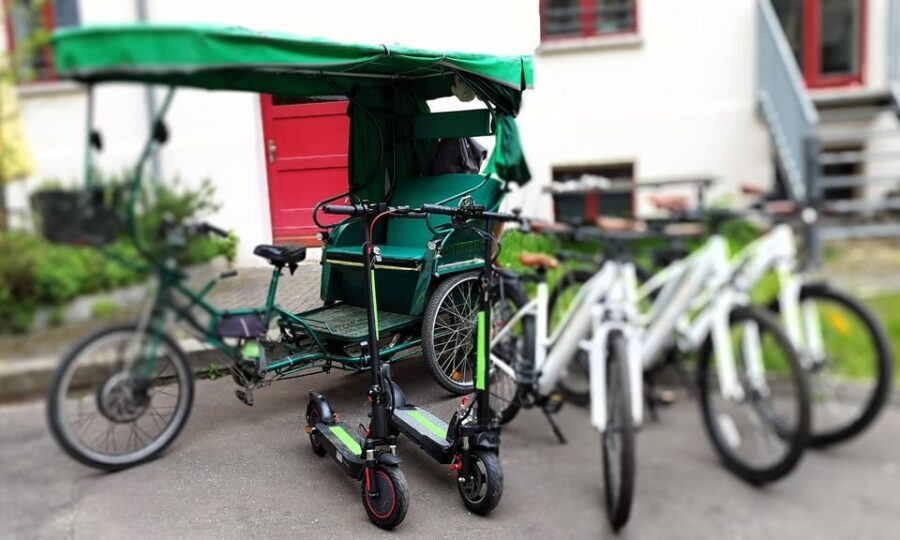
I especially like the option to switch between an e-bike and a rickshaw if someone in your group doesn’t bike (or can’t do much walking). It also feels built for real family travel, since rickshaws can carry up to two people and are set up so most age groups can board with just a few steps.
One thing to keep in mind: it moves fast for a “highlights” format. It’s heavy on short stops and photos, and one review included an e-bike power issue that cut the assisted ride short, so your plan should allow for that possibility.
In This Review
- Key Takeaways Before You Go
- Why Berlin Mitte on E-Bike and Rickshaw Makes Sense
- The 3.5-Hour Route From Weinbergsweg 6 to Reichstag
- What this tour is built to cover
- TV Tower to Museum Island: Getting Oriented Fast
- Unter den Linden and the Nazi Book Burning Memorial
- Checkpoint Charlie, Hitler’s Bunker, and the Holocaust Memorial
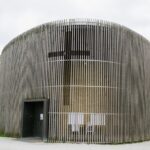
- Berlin Wall and Topography of Terror: Where the Story Took Physical Form
- Brandenburg Gate and Reichstag: Big Symbols, Short Stops
- E-Bikes, Rickshaws, and the Pace You Actually Need
- Guides, Photo Stops, and What You’ll Remember
- Price and Value for $82 Per Person
- Who This Tour Fits Best (and Who Might Prefer Something Else)
- Should You Book This Berlin Mitte (E)Bike and Rickshaw Tour?
- FAQ
- How long is the Berlin Mitte historical highlights tour?
- How large is the group?
- What languages are offered?
- Where does the tour start and end?
- Can I choose between an e-bike and a rickshaw?
- Are there photo stops during the tour?
- Is water included?
- What should I bring?
- What if I need to cancel?
Key Takeaways Before You Go
- Small group capped at 6 means you’re not shouting across a crowd.
- E-bike + rickshaw flexibility keeps families and mixed-mobility groups together.
- Photo stops with guide “camera skills” turn quick sights into keepsake shots.
- Nearly all the Berlin Mitte must-sees are packed into a 3.5-hour circuit.
- A guide who adjusts to the group helps people see even if they’re less mobile.
- Strict safety measures matter on busy central streets and crossings.
Why Berlin Mitte on E-Bike and Rickshaw Makes Sense
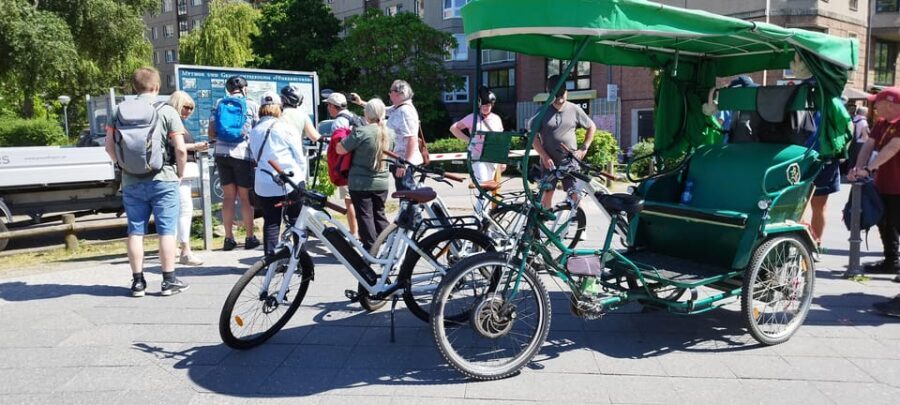
Berlin is not shy about history. The catch is distance. In central Berlin, a lot of the most famous sites sit too far apart to walk comfortably, and public transport can add waiting time. This tour uses an e-bike route plus a rickshaw option to keep you moving through Berlin Mitte without wasting your day.
The big value here is mixing mobility needs without splitting the group. You can ride an e-bike, and your partner, a grandparent, or a child can ride in a rickshaw. That matters because the sights on this route are close enough to share the same story, but far enough apart that anyone who can’t walk long will miss too much if the group is bike-only.
The format also fits the way people actually travel: quick photo stops, guided explanations at the right moments, then back on the road. You get structure without feeling trapped. And at this price point, the time saved is part of the deal.
You can also read our reviews of more cycling tours in Berlin
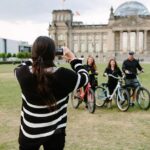
The 3.5-Hour Route From Weinbergsweg 6 to Reichstag
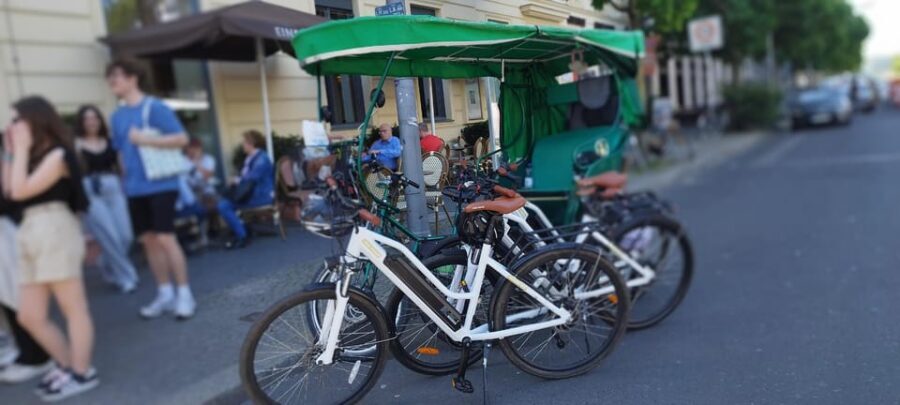
Your adventure starts and ends at Weinbergsweg 6, near U-Bahn Rosenthaler Platz. If you’re thinking about logistics, the location is handy: Rosenthaler Platz is in the core of Mitte, so it’s easier to tack onto a day of museums or meals nearby.
The total time is 210 minutes. That’s about 3.5 hours, so expect a rhythm: brief ride segments, photo stops, short guided moments, and frequent “back on the bike” energy. It’s not a slow stroll. The tour is designed to cover the historical highlights that are too spread out for a walk, and it does that with quick, guided transfers.
One practical note: bring comfortable shoes. Even with e-bikes and rickshaws, you’ll still do some standing, stepping up, and moving around for photos.
What this tour is built to cover
The tour is aimed at the major historical landmarks of Berlin Mitte, including German political sites, Cold War turning points, Nazi-era memorials, and iconic city architecture. The experience is explicitly built for the “must-see” bundle, with both bike and rickshaw participants sharing the same overall flow.
TV Tower to Museum Island: Getting Oriented Fast
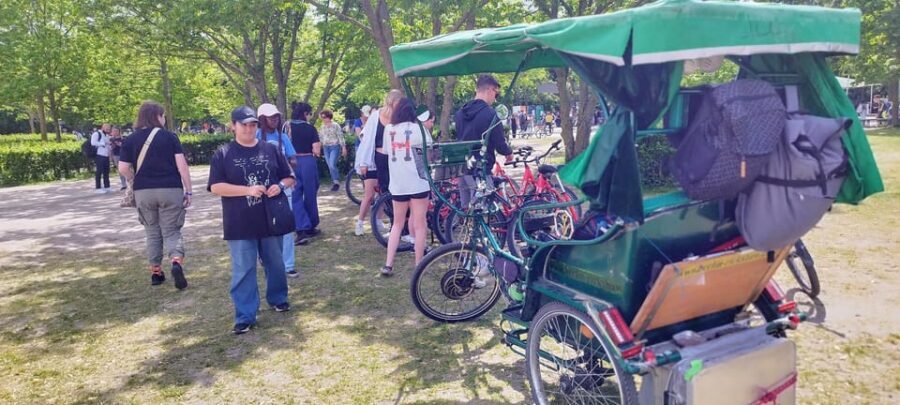
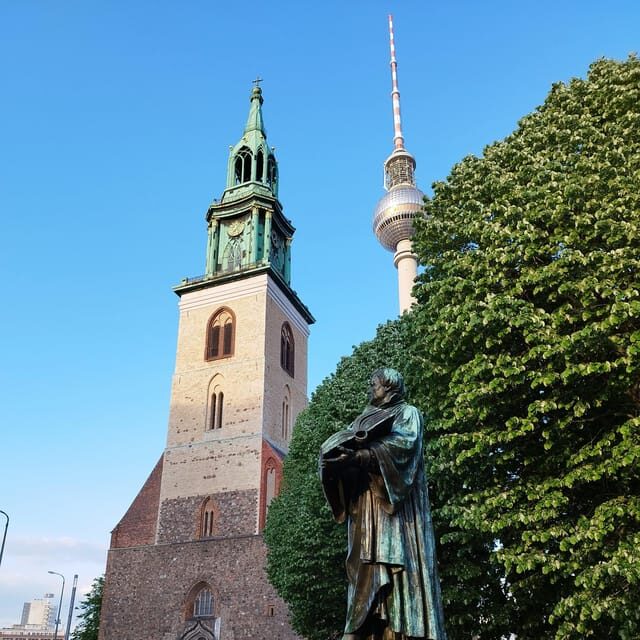
The first major stop is TV Tower (Fernsehturm). You’ll do a photo stop and get guided sightseeing on the way. The TV Tower is your early anchor point because it’s visible from a lot of central Berlin and it helps you mentally map the city as you ride.
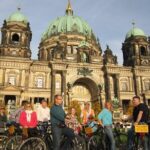
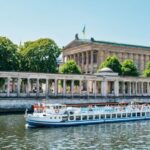
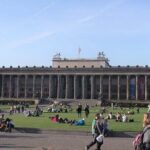
From there you head to Museum Island, another photo stop with guided context. Museum Island is famous for its museum cluster, but on a tour like this it’s more than a museum slogan. It’s a way to understand Berlin’s layout and why this central strip matters to the city’s cultural identity. You’re not spending hours inside. You’re getting oriented so later, if you want to return for a ticketed museum, you’ll know where you’re going and what you’re looking at.
Possible drawback: Museum Island can be crowded in the public space around the riverfront. Even if your stop is short, plan to wait a minute for the best photo angle and for your guide to explain the landmarks.
Unter den Linden and the Nazi Book Burning Memorial
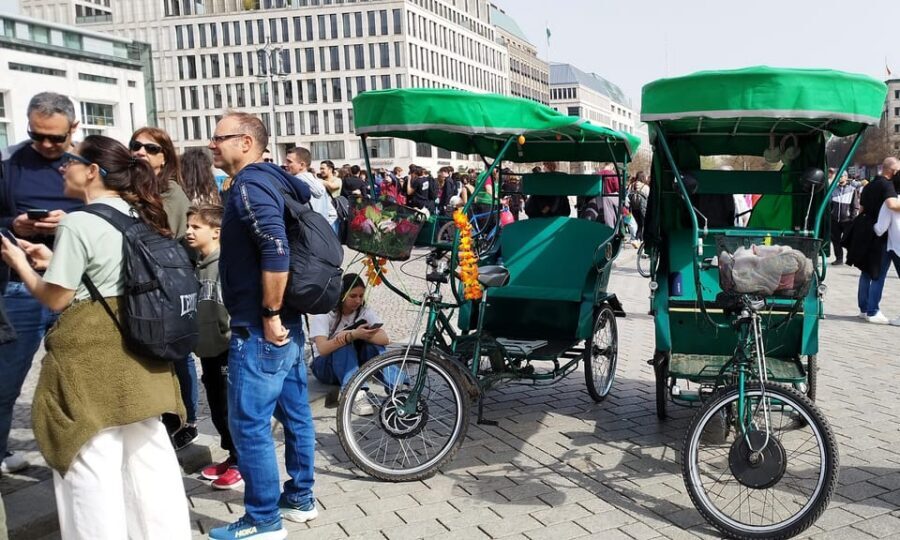
Next up is Unter den Linden, one of Berlin’s grand historic boulevards. Expect a photo stop plus guided context. On an e-bike, this is where the ride starts to feel like a “Berlin movie set.” You get the long-street perspective without having to walk the whole way, and the guide can connect the boulevard to what Berlin has been through and what it became after.
Then comes Memorial to May 10, 1933 Nazi Book Burning. This is a moment where the tour shifts from architectural admiration to moral history. You’ll have another photo stop and guided sightseeing. The memorial works best when you slow down mentally even if you’re physically moving. This is one of those stops where you’ll understand the purpose of the ride: to place you near the story, not just the postcard.
My advice: for sites like this, take the extra 15 seconds to look around. Don’t just snap and go. You’re learning how Berlin marks its difficult chapters.
You can also read our reviews of more historical tours in Berlin



Checkpoint Charlie, Hitler’s Bunker, and the Holocaust Memorial
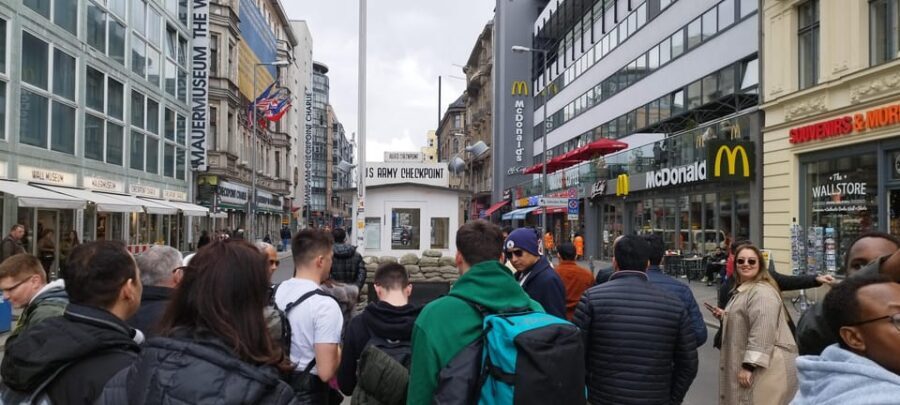
Then the tour lands squarely in the darkest, most complex history. The first stop is Checkpoint Charlie, with a photo stop and guided sightseeing. Checkpoint Charlie represents the Cold War dividing line in a way you can’t fully understand from a museum label. Even a short guided stop here can help you picture the city as a checkpoint—who crossed, who couldn’t, and why the world cared.
After that: Hitler’s Bunker. You’ll have a photo stop and guided sightseeing. This one is stark in a different way. The point isn’t drama; it’s place-based context—where Hitler spent his last months, and why the end of the war unfolded the way it did. Expect the guide to keep it factual and grounded.
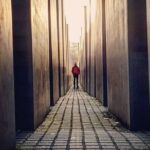
Then you reach the Holocaust Memorial. The tour includes photo stop and guided sightseeing, and the intent is clear: reflect on a monument about the horrible past. This is another stop where you’ll likely want a quiet minute even if the tour schedule is moving. If your group is traveling with kids, a good strategy is to let the guide do the explanation first, then ask one simple question afterward.
One more practical note: this segment can feel emotionally intense. It’s okay to take a breath before the ride resumes. The e-bike and rickshaw route helps here because you can step back without the strain of long walking.
Berlin Wall and Topography of Terror: Where the Story Took Physical Form
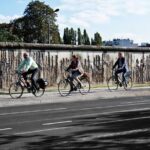
The tour moves to the Berlin Wall with a guided stop plus sightseeing and bike time. The Berlin Wall stop is framed around historical significance, and it’s the kind of sight where the guide’s pacing matters. On a highlights tour you won’t get a full lecture, but you’ll get enough context to recognize what you’re seeing and why it mattered.
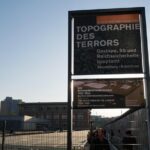
Next is Topography of Terror. Your schedule includes a photo stop here, with bike time around the area. Topography of Terror is connected to the former SS and Gestapo headquarters, and that matters because it shifts the story from “events” to systems—how state power was built and used. Even without long time on-site, a guided photo stop can give you the right framing so you understand why this location is still so heavy.
If you’re the type who likes to read plaques: you may wish you had more time here. But the trade-off is that the tour keeps moving so you see the full highlight chain.
Brandenburg Gate and Reichstag: Big Symbols, Short Stops
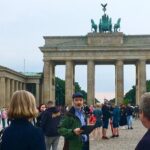
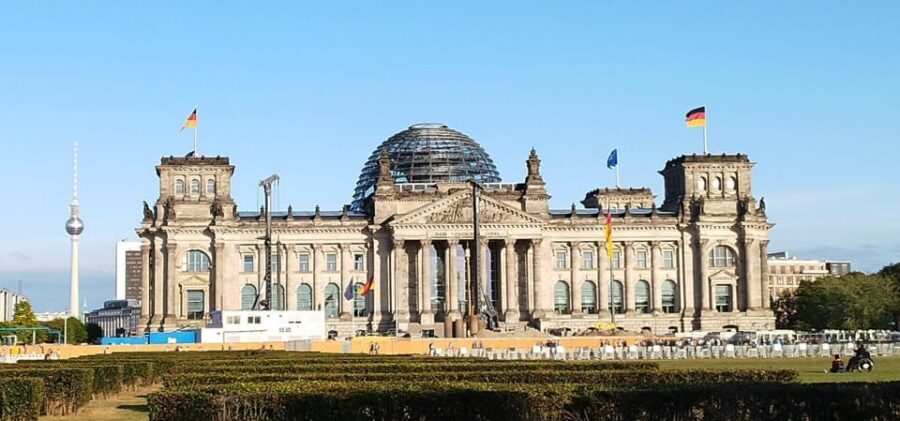
Finally, you ride toward Brandenburg Gate, with a photo stop plus guided sightseeing. Brandenburg Gate is an iconic Berlin symbol, and it’s also a marker of the city’s changing eras—so the guide’s framing helps it feel more than a monument photo.
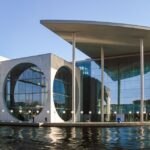
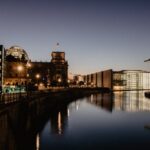
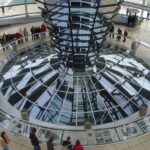
Then comes Reichstag. You’ll have another photo stop, guided sightseeing, and an up-close sense of why this is the German parliament. Reichstag is where your ride-to-architecture story ends on political meaning: Berlin rebuilt itself, and the city’s center shifted from division toward governance and public life.
You’ll then return to Weinbergsweg 6, finishing the circuit.
Pro tip: if your goal is photos, arrive with a mental plan. Big sights here mean quick angles and quick light. If the group is moving, you’ll lose the shot you want if you spend too long dithering.
E-Bikes, Rickshaws, and the Pace You Actually Need
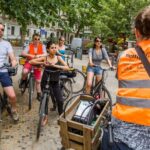
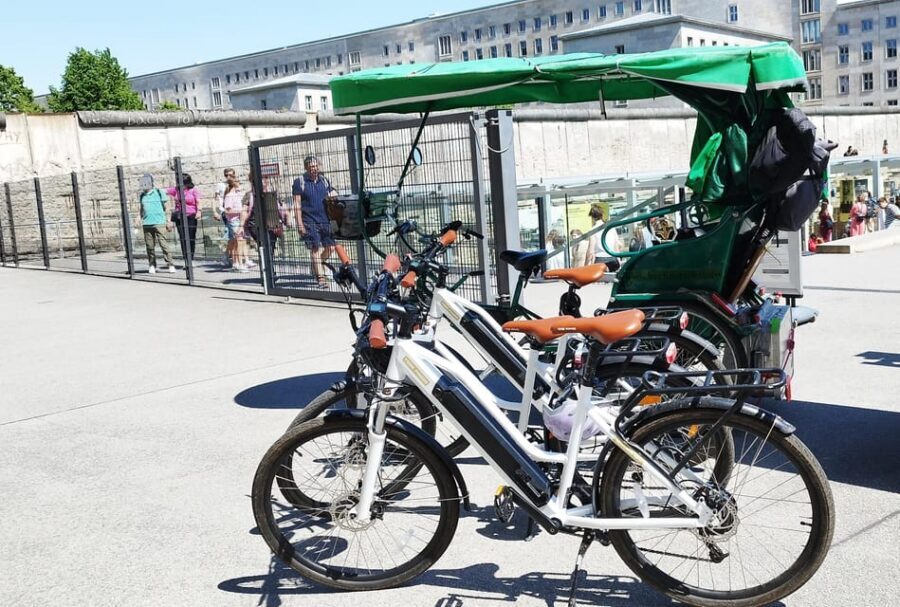
This tour is built around two vehicles: self-drive e-bikes for riders, and traditional rickshaws for people who prefer not to bike or who need a slower, seated option. Rickshaws can accommodate up to two people, which is great for couples and for mixed groups where only one person is “in” on biking.
If mobility is part of the decision, pay attention to the design intent described for the rickshaw option. The tour notes easy access with only a few steps to board, and it’s positioned as especially suitable for groups with fewer mobile guests. That means you’ll spend less energy just getting from place to place, and more energy on the sights themselves.
What you’ll likely appreciate as a rider: e-bikes take the pressure off. Berlin’s central streets have stops, crossings, and traffic patterns that can drain you on a regular bike. Here, the e-bike helps you stay comfortable while still controlling your speed and pauses.
One consideration: a negative review described an e-bike electricity issue where the assistance stopped partway through, leading to about half the tour ridden without power. That doesn’t mean it’s common, but it’s worth planning for in your mindset. If you do the tour on an e-bike, expect that in rare cases you might need to pedal more.
Also, because one review mentioned a guide on a rickshaw following along in a way that felt a bit awkward, I’d recommend you ask your guide what the group flow will look like for your specific ride assignments. In small groups, those details can matter more than you’d think.
Guides, Photo Stops, and What You’ll Remember
Guides are a big part of why this experience works. The tour emphasizes friendly, informative guidance and photo stops, with the added claim that the guide is close to a professional photographer. Based on the pattern of reviews, that seems to land well. People like having photos taken at the right moments, with less fiddling and more focus on the story.
You’ll also notice that the stops are structured to create quick memory hooks. A photo stop isn’t just a camera break. It’s where the guide ties together architecture, politics, and daily life.
Names that popped up in reviews include Levent, who delivered an enthusiastic explanation in Dutch in at least one booking, and Jakob, described as perfect by a German-speaking review. Even though the tour is listed as English-language, this hints at why the storytelling might feel personal: guides bring their own style and energy.
My takeaway: this is a tour where you’ll remember both the landmarks and the meaning you were given in front of them. That’s the difference between seeing Berlin and learning Berlin.
Price and Value for $82 Per Person
At $82 per person for 210 minutes, you’re paying for three things at once:
- A guide who connects the stops, not just a route.
- Transportation that gets you across Berlin Mitte without exhausting walking.
- A format that includes frequent photo stops and on-the-spot help.
Bike tours can be cheaper, but they often require a walkable fitness level. Here, the rickshaw option is part of the value proposition because it prevents group-splitting. If you’re traveling with grandparents, kids, or anyone who doesn’t want to bike, you’re essentially buying a solution that keeps everyone together.
You’ll also get free bottled water, which sounds small, but on a 3.5-hour ride with multiple stops, it helps you stay comfortable enough to focus on the experience.
Is it the lowest price on Berlin? Probably not. But for a timed highlight tour that handles mixed mobility, it looks like solid value.
Who This Tour Fits Best (and Who Might Prefer Something Else)
This tour shines for groups where not everyone travels the same way. It’s a good fit for:
- Couples where one person wants an e-bike and the other prefers seated transport
- Families with younger kids or slower walkers
- Multigenerational groups, including grandparents
- People who want a fast orientation to Berlin Mitte early in their trip
It’s also a strong choice if you like guided photo moments and you don’t want to spend your day timing bus transfers between distant landmarks.
Who might consider an alternative? If your ideal day is long museum time or you want to read every plaque slowly, the highlights structure could feel like pressure. This is about seeing and understanding quickly, not about lingering for hours.
Should You Book This Berlin Mitte (E)Bike and Rickshaw Tour?
Yes, if your priority is a well-timed tour that covers the core historical landmarks of Berlin Mitte without forcing everyone to walk. The bike-and-rickshaw mix is the real selling point, especially for family groups or mixed mobility.
Book it when:
- You want the main sights in about 3.5 hours
- You care about guided context, not just photos
- Your group includes someone who doesn’t want to ride a bike for long stretches
Think twice if:
- You dislike emotionally heavy stops and prefer lighter sightseeing
- You want extensive on-site time rather than quick photo stops
- You know your group will need long breaks between monuments
If you go, do two small things: wear comfortable shoes, and come with a flexible attitude about pace. This route works best when you treat it like a guided highlights reel that still gives you enough meaning to remember the scenes later.
FAQ
How long is the Berlin Mitte historical highlights tour?
It runs for 210 minutes, about 3.5 hours.
How large is the group?
The tour is a small group limited to 6 participants.
What languages are offered?
The live tour guide is English.
Where does the tour start and end?
The meeting point and arrival back are at Weinbergsweg 6, near U-Bahn Rosenthaler Platz.
Can I choose between an e-bike and a rickshaw?
Yes. The experience includes e-bikes for riders and a rickshaw option for people who prefer not to bike or who are less mobile. Rickshaws can accommodate up to two people.
Are there photo stops during the tour?
Yes. The tour includes a lot of photo stops, and the guides are described as strong photographers.
Is water included?
Yes, complimentary bottled water is provided.
What should I bring?
Bring comfortable shoes.
What if I need to cancel?
Free cancellation is offered up to 24 hours in advance for a full refund, and you can reserve now & pay later.