REVIEW · BERLIN
Berlin: Stasi Museum Private Guided Tour with Entry Ticket
Book on GetYourGuide →Operated by Rosotravel Germany · Bookable on GetYourGuide
Cold War Berlin makes sense here. This private Stasi Museum tour turns abstract fear into real, specific systems you can actually see. You’ll get skip-the-line entry to Forschungs- und Gedenkstätte Normannenstraße, and a native-language guide who ties politics, propaganda, and daily life in the GDR into one story.
I also love the setting: you’re not visiting a recreated exhibit in a random building. The museum is in the former headquarters of the East German secret state security, so the architecture and offices make the topic feel uncomfortably real.
One thing to weigh: at $257 per person it can be a strong value, but the experience is still a paid, private-format tour. If you end up seeing higher pricing in your dates, it may feel steep compared with a self-guided visit—so decide based on how much you want guide-led context.
In This Review
- Quick Take: What Makes This Stasi Museum Tour Worth Your Time?
- From Alexanderplatz to Normannenstraße: Getting Oriented Without Wasting Time
- Entering the Stasi Museum: What the Building Teaches You
- How Stasi Surveillance Worked: From Propaganda to Informants
- Original Spy Technology: Bugs and Hidden Cameras, Made Understandable
- Ministerial Offices and the Office of Erich Mielke
- Daily Life Under the GDR: Why Control Felt Personal
- Private Group Format: When You’ll Appreciate Having Space
- Price and Value: Is $257 Really Fair?
- What I’d Do Before You Go (So It Lands Even Better)
- Should You Book This Stasi Museum Private Tour?
- FAQ
- What museum is included on this tour?
- Is this tour the same as the Berlin-Hohenschönhausen Memorial?
- How long is the private tour?
- Where do I meet the guide?
- Do I get skip-the-line entry?
- Is transport included to reach the museum?
- What languages are available for the live guide?
- Is the tour wheelchair accessible?
Quick Take: What Makes This Stasi Museum Tour Worth Your Time?
- Skip-the-line at Normannenstraße so you spend more of your 3 hours learning and less time waiting
- Former Stasi HQ in action: offices and layout that help explain how surveillance worked
- Original spy technology such as bugs and hidden cameras, shown as part of the system—not as props
- Erich Mielke’s office and red briefcase give you a tangible sense of power and secrecy
- A tour that fits your language with English and German options for expert commentary in your native language
From Alexanderplatz to Normannenstraße: Getting Oriented Without Wasting Time
Your tour starts at Alexanderplatz, meeting your guide in front of the DM drugstore at Alexanderplatz 1 (10178 Berlin). This matters more than it sounds. Alexanderplatz is a central, easy-to-reach landmark, and it also connects you to the end of the GDR story.
After you meet up, you’ll take public transport to the Stasi Museum with two-way tickets included. The museum sits outside the core city center, so having transport built in saves you the hassle of figuring out transit while you’re focused on a time-slot entry. In practice, this keeps the day smooth: you get to arrive more settled, not rushed.
You can also read our reviews of more tours and experiences in Berlin


Entering the Stasi Museum: What the Building Teaches You

The Stasi Museum you’re visiting is Forschungs- und Gedenkstätte Normannenstraße. That location detail is important because it’s different from the Berlin-Hohenschönhausen Memorial (the former Stasi prison). If your goal is understanding the Stasi as an information-and-control machine, Normannenstraße is the more direct focus.
Inside, you’re in the original building connected to the Ministry of State Security. I like museum spaces like this because they help you understand scale. When you see offices linked to real operations, the topic stops being purely historical and starts feeling like a documented bureaucracy—one that produced fear and control through everyday mechanisms.
Also, because your entry is pre-booked with skip-the-line access, you can keep momentum right from the start. With a topic like this, that’s a big deal. Waiting around after you’ve traveled tends to drain attention. Here, the schedule helps you stay engaged.
How Stasi Surveillance Worked: From Propaganda to Informants

This tour is built around a simple question: what was daily life like behind the Berlin Wall, and how did the Stasi turn citizens into a network of monitoring?
Your guide walks you through how the state security operated and why so many people feared it. That fear wasn’t just paranoia. It was tied to methods you can see in the museum—tools, offices, procedures, and the way informants were recruited.
You’ll also get clear context on the division of Germany and the politics of the GDR, including communist propaganda and dictatorship. The value here is balance. You’re not just hearing that the GDR was authoritarian. You’re shown how surveillance and messaging reinforced each other—how people were nudged to believe the official story while also being watched for deviations.
One small detail that makes a difference: the guide’s commentary is in English or German, depending on what you book. That means you can focus on understanding, not translating in your head. In at least one booking example, the guide named Silvia was able to handle additional languages too, which hints at how flexible the experience can feel if you have language needs.
Original Spy Technology: Bugs and Hidden Cameras, Made Understandable
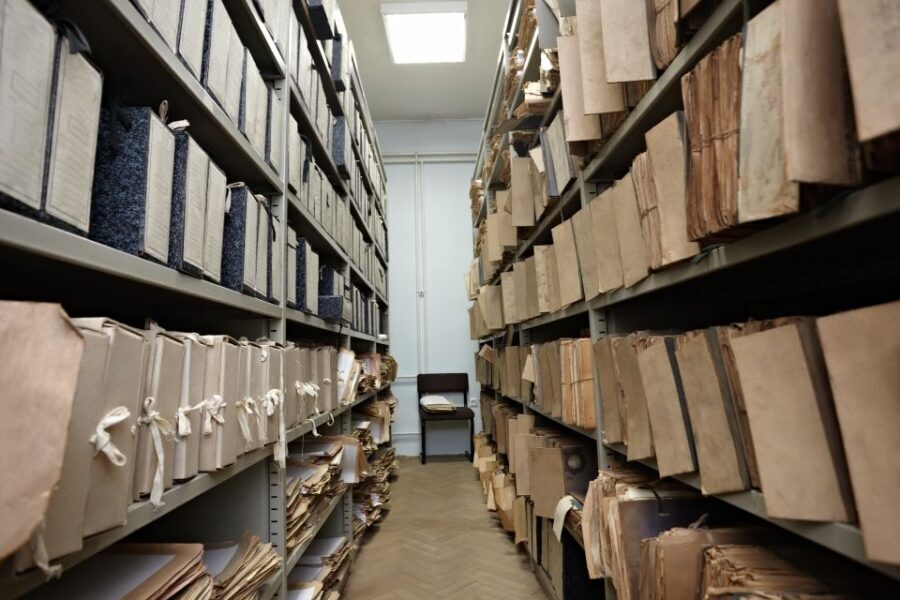
One of the strongest highlights is seeing original spy technology used by the secret Stasi police—things like bugs and hidden cameras. These displays matter most when they’re explained as part of a system, not treated as gadgets.
In this tour format, the technology is connected to how the Stasi gathered information and what that meant for targets. You start to grasp the logic: surveillance is not random. It’s planned, networked, and designed to produce leverage. Even if you don’t know much about East German history, the guide helps you connect the devices to outcomes—what people did differently once they suspected they were being watched.
If you’re the type of person who reads about espionage but wants the practical human side, this section is likely to be your favorite. The point is not Hollywood spy fantasy. It’s the reality of intrusion.
Ministerial Offices and the Office of Erich Mielke
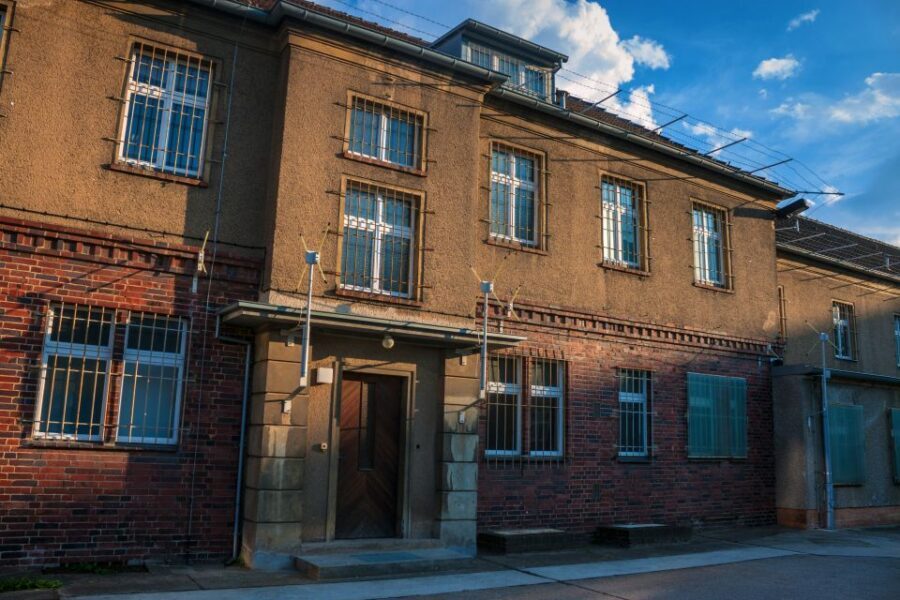
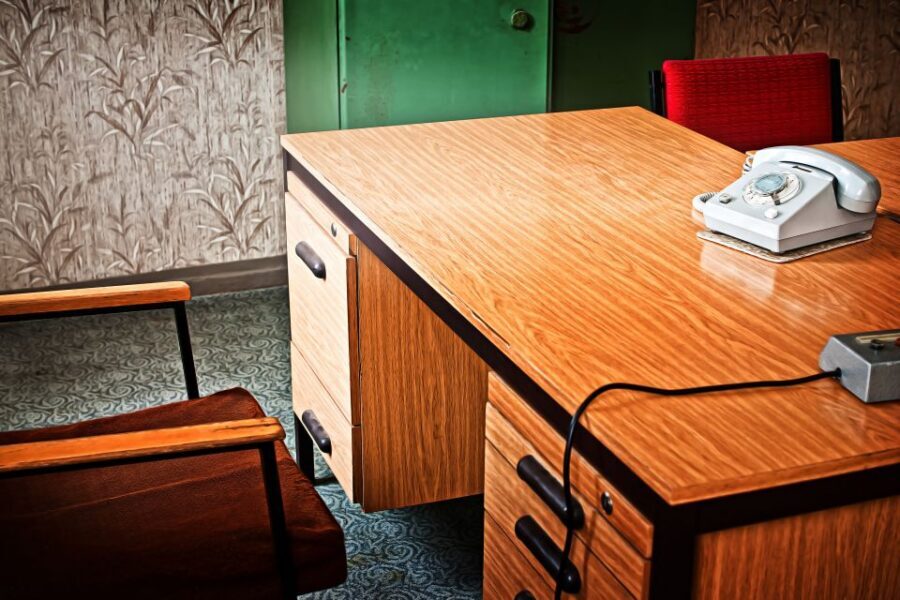
The tour includes a visit to the ministerial offices and the office of Erich Mielke. The museum displays his famous red briefcase, which is one of those objects that instantly makes the power structure feel concrete.
Why does that matter? Because it shifts the story from abstract politics to decision-making. Mielke represents the Stasi at the top, and the red briefcase is a visual shorthand for how sensitive information moved through the leadership. In other words, you’re seeing how surveillance could be managed like administration, with real consequences.
This stop also helps you understand the tone of the place. You’re walking through offices tied to control and secrecy, and that physical feeling makes the explanations land harder. If you want to understand why people feared the Stasi, this section supports the emotional and intellectual reasons at the same time.
You can also read our reviews of more guided tours in Berlin




Daily Life Under the GDR: Why Control Felt Personal
A good Cold War museum doesn’t just list events. It shows what those events meant in ordinary life. This tour tackles that by connecting Stasi operations to daily life behind the Berlin Wall.
You’ll hear about recruiting informants and how citizens were spied on and controlled. The way the guide explains it makes the concept less abstract. Instead of just thinking about surveillance in general, you learn how it functioned as a social pressure—how people could be monitored, how trust could fracture, and why normal actions might feel risky.
This is also where the propaganda element becomes useful. Communist messaging wasn’t only about newspapers and speeches. It helped set expectations about what was acceptable to say and think, which made surveillance more effective. When propaganda and policing work together, control doesn’t rely only on arrests. It can rely on self-censorship.
Private Group Format: When You’ll Appreciate Having Space
This is a private group experience, and that’s not a small detail with a heavy subject. In a small group, you can ask clarifying questions as the guide moves through the material. You can also pace yourself. Some parts of Stasi history are emotionally loaded, and having room to absorb without feeling rushed is a real benefit.
The tour also stays at 3 hours, which is long enough to cover the core story without turning into an exhausting lecture. You’ll spend your time in the museum learning about operations, technology, and key figures, while the opening transport and orientation keep you from scrambling.
As a final practical note: the tour is wheelchair accessible. That’s helpful for planning, especially because you’ll be moving through an office-focused museum space rather than a perfectly flat, open-air site.
Price and Value: Is $257 Really Fair?
The listed price is $257 per person for a 3-hour private guided tour with skip-the-line entry, transport tickets, and a licensed guide in English or German. On that basis, it can be strong value if you want the guidance to connect dots between propaganda, bureaucracy, and everyday fear.
But value is personal. One review example flagged the tour as too expensive at a higher amount of $435. That doesn’t automatically mean the experience is overpriced; it means the same tour can feel different depending on what you’re paying and what you want.
Here’s the honest way to decide:
- If you want a teacher-led story that makes Stasi systems understandable, you’re paying for interpretation, not just entry.
- If you mainly want to look at exhibits and read at your own pace, you may feel the guide cost doesn’t add enough.
My suggestion: if your budget allows and you’re genuinely curious about how the Stasi worked, this private guide format is often the difference between seeing artifacts and understanding a machine of control.
What I’d Do Before You Go (So It Lands Even Better)
You’ll get more from the tour if you walk in with just a few expectations:
- Treat it as a systems story: tools, offices, informants, and messaging all connect.
- Be ready to think about fear as a process, not a single event.
- Keep an eye on how the museum ties technology to human outcomes.
Also, do remember one key practical point: skip-the-line tickets come with a pre-booked entry slot. That means you should arrive on time at the meeting point and stick closely to the schedule. You don’t want your arrival timing to turn a smooth museum entry into unnecessary stress.
Should You Book This Stasi Museum Private Tour?
Book it if you want the Stasi story explained in a clear, structured way, and you care about understanding how surveillance and propaganda shaped daily life in the GDR. The private format, native-language guidance (English or German), skip-the-line entry, and the focus on original technology and key offices make this a strong learning experience for history-minded visitors.
Skip it in favor of other options only if you’re mostly browsing for exhibits and you prefer self-paced reading. With a topic like the Stasi, you’ll usually get more value from guided context than from going fast on your own.
FAQ
What museum is included on this tour?
The tour includes tickets to the Stasi Museum at Forschungs- und Gedenkstätte Normannenstraße.
Is this tour the same as the Berlin-Hohenschönhausen Memorial?
No. The Stasi Museum at Normannenstraße is different from the Berlin-Hohenschönhausen Memorial, which is known as the former Stasi prison.
How long is the private tour?
The tour duration is 3 hours.
Where do I meet the guide?
Meet your guide in front of the DM drugstore at Alexanderplatz, 1, 10178 Berlin.
Do I get skip-the-line entry?
Yes. You receive skip-the-line tickets with a pre-booked entry time slot.
Is transport included to reach the museum?
Yes. Two-ways public transport tickets are included.
What languages are available for the live guide?
The live guide is available in English and German.
Is the tour wheelchair accessible?
Yes, the tour is wheelchair accessible.