REVIEW · BERLIN
Modern Berlin Private Walking Tour: Diverse, Vibrant and Exciting German Capital
Book on Viator →Operated by Insider Tour Berlin · Bookable on Viator
Berlin can change character block by block. This private walk strings together the city’s big modern story fast, with stops that feel personal, not postcard.
I like that you check multiple neighborhoods in a few hours without the stress of planning. I also love the private-guide approach, where you can ask questions as you go and get context that never shows up on a sign.
One thing to keep in mind: it’s still a walking tour in all-weather conditions, and food isn’t included—so bring comfortable shoes and plan for a meal afterward.
In This Review
- Key points worth your time
- A private walking tour that actually teaches Berlin’s modern shift
- Price and value: when $179.84 makes sense
- Finding your route fast: pickup, meeting point, and timing
- Stop 1: Mitte—how reunification reshaped everyday “center city” life
- Stop 2: East Side Gallery—art on the longest surviving Wall stretch
- Stops 3 and 4: Prenzlauer Berg and Kreuzberg—gentrification with a conscience
- Prenzlauer Berg: from artists’ edge to polished family-friendly streets
- Kreuzberg: immigration, activism, and street-level reinvention
- Stop 5: Friedrichshain—counterculture energy, modern edge
- What you’ll actually get from a private guide (beyond the stops)
- Pacing, comfort, and what to wear for Berlin walking
- Who should book this private modern Berlin walk
- Should you book?
- FAQ
- How long is the Modern Berlin Private Walking Tour?
- How much does it cost?
- Is the tour private?
- Is hotel pickup available?
- Where does the tour start and end?
- What neighborhoods are included?
- Is it offered in English?
- Are food and drinks included?
- Is the tour affected by weather?
Key points worth your time
- Private, timed pacing: Only your group, so you control the rhythm.
- Neighborhood-to-neighborhood story: You move from reunification landmarks to everyday life across districts.
- East Side Gallery on foot: You get the meaning of the murals along the 1.3-kilometer Wall stretch.
- Guides who tailor the talk: Guides like Josh and Maria are praised for modern framing, while Joerg and Stefano show strong attention to group needs.
- Real street-level Berlin: Kreuzberg and Friedrichshain pull you toward street art, immigrant communities, and activist culture.
- No entry hassle at stops: The listed sights show admission ticket free, so your time stays on the street.
A private walking tour that actually teaches Berlin’s modern shift
Berlin’s most confusing era is also its most interesting. In a single afternoon, you watch how the city healed after division—and how the result keeps changing today. This tour is built around that idea: you don’t just see places, you connect what happened politically to what you see now on sidewalks.
The private format matters. When it’s just your group, you can linger in a courtyard, pause for a question, or ask why a district feels one way today. People like Josh, Maria, Joerg, Stefano, and Juan Montiel pop up in guide feedback, and the consistent theme is clear: the tour talk focuses on modern Berlin and how neighborhoods became what they are.
Practical win: it’s 3 to 4 hours, so it fits neatly between museums, dinners, and daylight plans. And yes—Berlin winters and summers both count as weather—so you’ll want layers and shoes you trust.
You can also read our reviews of more walking tours in Berlin


Price and value: when $179.84 makes sense
At $179.84 per person, this isn’t the cheapest way to do Berlin. But you’re paying for three things that can save you time and frustration:
- A local, professional guide who connects the dots across neighborhoods.
- Private logistics—your group only—so you’re not squeezed into someone else’s pace.
- Hotel pickup (or central meeting), which is a big deal in Berlin when you’re juggling U-Bahn changes.
Is it worth it for everyone? If you’re a solo traveler or a couple who likes free-form wandering, you could build a similar route yourself. But if you want a guided “modern Berlin story” without map work, the value starts to make sense—especially when you’re traveling with teens or a mixed group that needs clear explanations. One family-style comment praised how the tour landed well even with a 15-year-old.
Also, food isn’t included. That’s not a hidden cost, just a planning point: you’ll likely want to grab a snack or meal right before or after so the walking feels easy rather than rushed.
Finding your route fast: pickup, meeting point, and timing
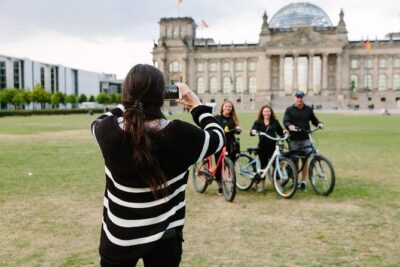
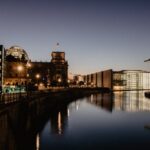
You meet at Reichstagufer 17, 10117 Berlin and the tour returns back to the meeting point. If you want less hassle, pickup is offered from your accommodation, or you can meet somewhere central.
Departure times vary, so you can choose a slot that matches your energy. For a tour like this, I’d steer you toward daylight hours when street art, courtyards, and building textures are easier to notice. You’re not stuck indoors anyway—this experience runs in all weather conditions—so dress for the day you’ll actually get.
Since it’s offered in English, you won’t be translating every other sentence. And since it’s a private tour/activity, your time stays dedicated to your group rather than being negotiated with strangers.
Stop 1: Mitte—how reunification reshaped everyday “center city” life
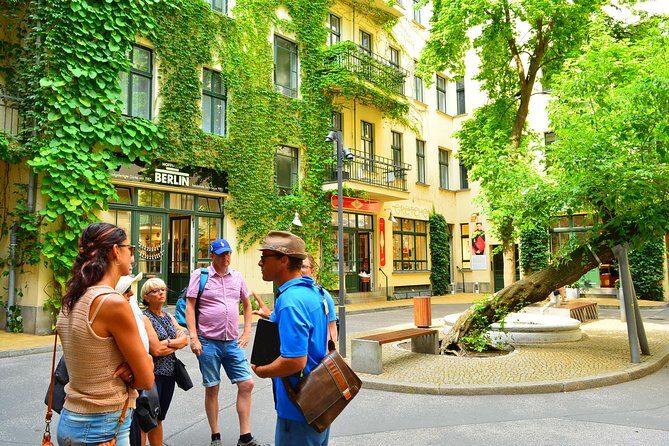
Mitte is where Berlin feels like Berlin’s headline. It’s also where the city’s physical story shifts from division to unity. This stop is timed at about 30 minutes, and it’s focused on the transformation since 1990.
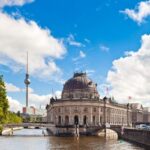
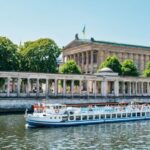
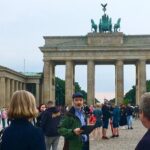
You’ll hear why Mitte matters: it went from being tied to the Berlin Wall era to becoming the vibrant core of a unified city. The area mixes major landmarks like the Brandenburg Gate and Museum Island with more human-scale details—cafes, galleries, shops, and the everyday rhythms that come with a neighborhood that’s now “everywhere tourists go” and “where locals still live.”
One detail I really like here is the mention of courtyards/patios in the Mitte discussion from guide feedback. That’s smart because it gives you a break from the big monuments and reminds you that Berlin’s change isn’t only political—it’s also spatial. Buildings get restored, street patterns get reused, and suddenly you’re walking through pockets of old structures in a modern city setting.
Possible drawback: Mitte can feel busy. If your group hates crowds, you’ll want to lean on your guide’s pacing and question time—ask where to look away from the busiest lanes for a calmer view.
Stop 2: East Side Gallery—art on the longest surviving Wall stretch
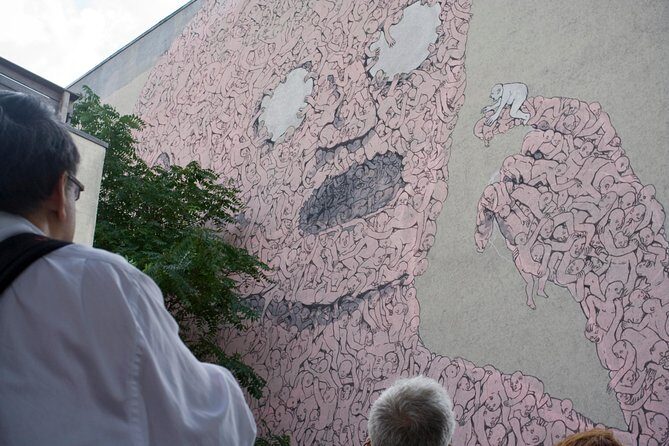
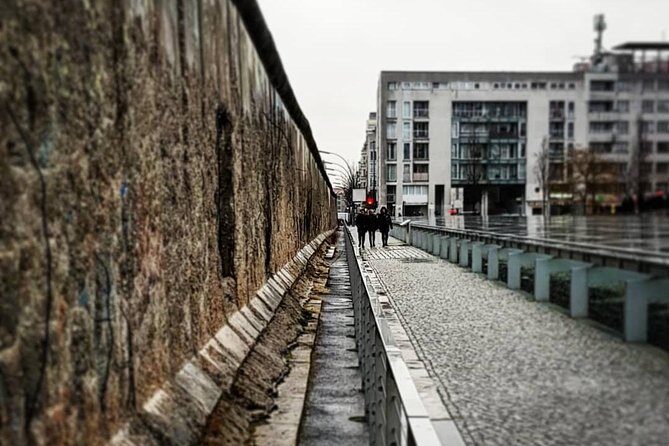
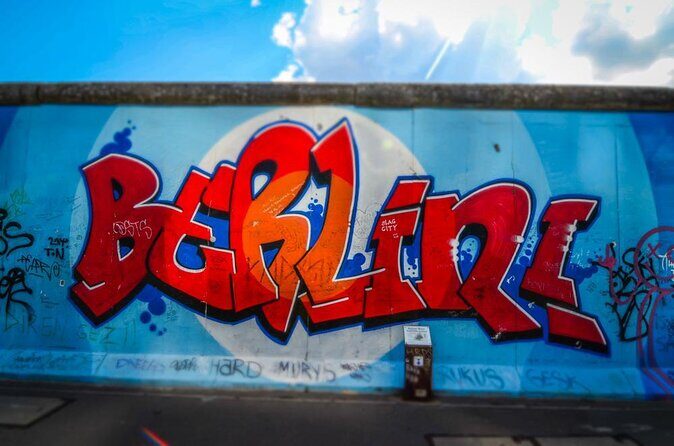
From “center city” you move to a Wall story made visible. The East Side Gallery is along a 1.3-kilometer stretch of the former Berlin Wall, and this stop is about 20 minutes.
What makes it special is the format: it’s not a museum behind glass. It’s an open-air gallery created in 1990 by artists from around the world. Each mural is meant to carry a message—hope, peace, change—and collectively they show how a hard chapter can turn into a public statement about freedom and unity.
I like that the tour frames the East Side Gallery as both painful and hopeful. That balance is important. If you only look for pretty murals, you miss what Berlin was processing when the Wall came down. But if you only look for tragedy, you miss how people used art to push the city forward.
Practical tip: bring a phone camera if you like to capture details, because some mural stories are easy to miss when you’re walking quickly. Your guide’s job here is to slow you down enough to notice the meaning behind the colors.
You can also read our reviews of more private tours in Berlin



Stops 3 and 4: Prenzlauer Berg and Kreuzberg—gentrification with a conscience
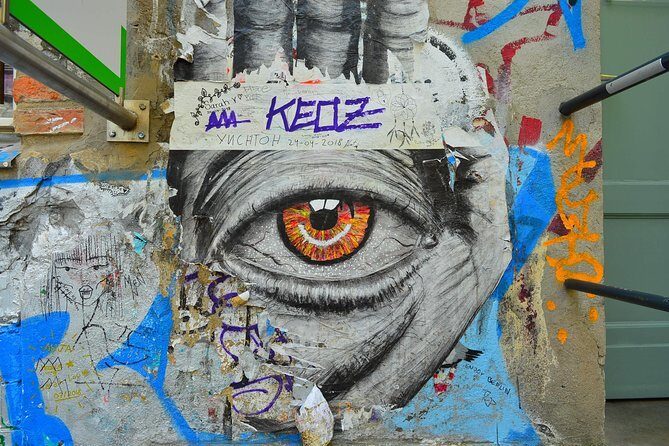
After the Wall segment, the tour pivots into the neighborhoods where you see Berlin’s “now” in real time. That includes Prenzlauer Berg (about 40 minutes) and Kreuzberg (about 35 minutes).
Prenzlauer Berg: from artists’ edge to polished family-friendly streets
Prenzlauer Berg used to be a bohemian stronghold in East Berlin—artists and students attracted by affordability and counterculture. Since reunification, it has changed fast. Historic buildings got restored, and the neighborhood became known for chic cafes, boutique shops, and trendy restaurants that draw young families and professionals.
The best way to understand Prenzlauer Berg is to keep both truths in your head: yes, it’s more polished now, and yes, traces of its rebellious past are still visible. Cultural hubs and local galleries help you connect the dots between what was possible when rents were low and what’s possible now when the area is popular.
Possible drawback: because it’s more popular and “Instagram-friendly,” it can feel less scrappy than the legend you might hear before you arrive. But that’s exactly why a guide helps—so you notice the leftover fingerprints of the old scene rather than treating the neighborhood like a single aesthetic.
Kreuzberg: immigration, activism, and street-level reinvention
Kreuzberg’s story is built on movement: immigrants, artists, activists. The neighborhood evolved from a gritty, alternative edge of West Berlin into one of Berlin’s most culturally rich districts.
This stop focuses on the double effect of change. Gentrification brought trendy cafes, art galleries, and international eateries. At the same time, Kreuzberg’s identity stays tied to a mix of communities and alternative culture. Street art, music, and multicultural festivals are part of the picture.
I also appreciate the food/culture angle that shows up in guide feedback—one group described a stop connected to kebab lore, including a mention of Hasir in relation to the origin story. Even if your route doesn’t include every specific place, this kind of detail is why a guided walk beats a self-made route. You learn what people mean by food traditions and neighborhood identity.
Stop 5: Friedrichshain—counterculture energy, modern edge
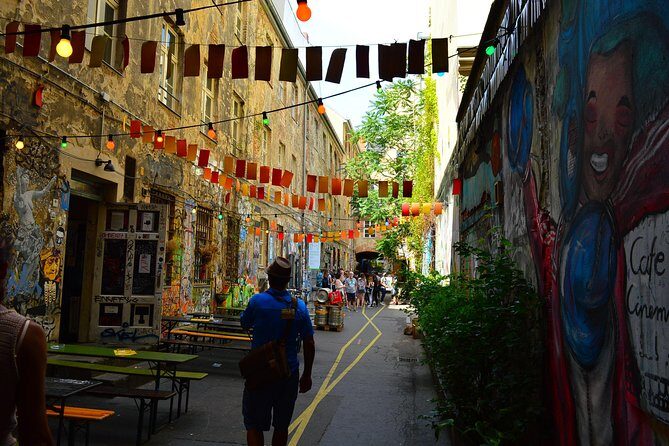
The last district is Friedrichshain (about 35 minutes). It’s often described in relation to Kreuzberg, and this stop keeps that link in mind: the city’s alternative energy used to concentrate at the fringe of West Berlin, and after 1990 it reworked itself into today’s street-level culture.
Friedrichshain is tied to multicultural life and a strong sense of community. You’ll see evidence of transformation: trendy cafes and boutique shops, plus historic buildings that now hold different kinds of businesses. The key point is that the neighborhood’s essence doesn’t disappear just because it changes. You’re looking for the balance between street art, music scenes, and a continuing activist spirit.
If you like neighborhoods that feel like they still have opinions, Friedrichshain is your closer. And if your legs are getting tired, this is a good moment to lean into your guide’s pacing and grab water if you need it.
What you’ll actually get from a private guide (beyond the stops)
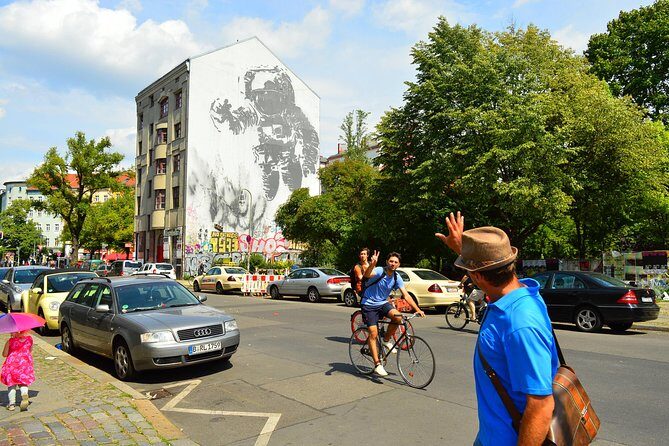
A good guided walk does two jobs: it points you where to look, and it tells you what it means. This tour is praised for modern framing and for guides who can match the group’s energy.
Names that show up in feedback give you a sense of the range:
- Josh is mentioned for modern Berlin commentary that still works for teens.
- Maria is described as delivering exactly what a modern Berlin focus should feel like.
- Joerg gets credit for balancing intellectual talk with physical pacing.
- Stefano is praised for offering an alternative experience when the group already saw the “typical” sights elsewhere.
- Juan Montiel gets strong marks for being open to questions, plus the tour style included neighborhood courtyard viewing and detailed local food/culture references.
That last part is practical. If you’re traveling with different ages or interests, you’ll value a guide who can adjust. A private format makes that adjustment possible in a way group buses never do.
Pacing, comfort, and what to wear for Berlin walking
This is a walking tour—so comfort is part of the experience. The tour runs 3 to 4 hours, and there’s no mention of internal transport during the walk itself. You’ll cover multiple districts, which means you’ll spend a good chunk of the afternoon with your feet doing their job.
I recommend:
- comfortable walking shoes (Berlin sidewalks can be a mix of smooth and uneven)
- a light layer plus a warmer one (Berlin weather shifts fast)
- a small bottle of water
- a plan for food afterward (since food and drinks aren’t included)
Also, it operates in all weather conditions, so bring a rain layer. Your guide will keep the pace moving, but you’ll enjoy it more if you’re not fighting the elements.
Who should book this private modern Berlin walk
This is a strong fit if you:
- want modern Berlin rather than only war-era or only sightseeing monuments
- like seeing several neighborhoods in one afternoon without taxi or U-Bahn juggling
- prefer a guide you can ask questions to (especially if you’re traveling with family or a mixed group)
- care about how gentrification, community change, and artistic expression shape what you experience on the street
It may not be the best match if you:
- want a slow, open-ended wandering day with no schedule at all
- hate walking for several hours in varying weather
- are only interested in one or two landmark spots and nothing else
Should you book?
If you want Berlin’s modern story in a tight, guided route, I’d say yes. The route is designed to connect reunification-era symbolism (like the Wall murals) with the neighborhoods where you can feel change happening right now (Mitte, Prenzlauer Berg, Kreuzberg, Friedrichshain). A private guide turns those places into explanations you can actually remember.
Book it when you value context, pacing, and a route that saves you time. Skip it if you’re chasing the cheapest option or you want an entirely self-directed day.
If you do book, show up with good shoes and a curious mindset—you’ll get more out of the walk, and Berlin will reward you for it.
FAQ
How long is the Modern Berlin Private Walking Tour?
It lasts about 3 to 4 hours.
How much does it cost?
The price is $179.84 per person.
Is the tour private?
Yes. It’s a private tour/activity, so only your group participates.
Is hotel pickup available?
Yes. You can request pickup from your accommodation, or you can meet somewhere central.
Where does the tour start and end?
It starts at Reichstagufer 17, 10117 Berlin, Germany, and ends back at the same meeting point.
What neighborhoods are included?
The tour includes stops in Mitte, the East Side Gallery (Friedrichshain-Kreuzberg), Prenzlauer Berg, Kreuzberg, and Friedrichshain.
Is it offered in English?
Yes, it’s offered in English.
Are food and drinks included?
No, food and drinks are not included.
Is the tour affected by weather?
It operates in all weather conditions, so dress appropriately. Service animals are allowed.