REVIEW · BERLIN
Discover Berlin Express Tour: 2hr Highlights
Book on GetYourGuide →Operated by Original Berlin Walks GmbH · Bookable on GetYourGuide
Berlin can overwhelm you fast. This tour gives it order. In just 2 hours, you hit the big visual hits—Brandenburg Gate, the Reichstag area, the Wall sites, and Checkpoint Charlie—plus the memorial stops that actually make you pause.
I especially like the way the tour balances famous landmarks with hard-to-sit-with stories. You get a guide who can connect places like the Sinti & Roma Memorial and the Memorial of the Murdered Jews of Europe to the wider WWII timeline, and you’ll hear clear explanations in perfect English. If your guide is someone like Dylan, you’ll appreciate how easily they answer questions without turning the walk into a lecture.
One thing to consider: it’s an express walk with no building entry, so you won’t get long inside-time at the Reichstag or the bunker site. If you want museums, ticketed interiors, and deep reading breaks, you’ll need a longer option.
In This Review
- Key highlights worth making time for
- Where this tour starts and how the 2-hour pace works
- Pariser Platz and Brandenburg Gate: starting with unity and power
- The Reichstag area and what democracy costs
- Hitler’s Bunker site: a chilling place on a normal street
- Memorial stops that force you to look longer
- Sinti & Roma Memorial
- Memorial of the Murdered Jews of Europe
- Tiergarten and the Soviet War Memorial: remembering different sides without erasing nuance
- Finance Ministry and the wall of time: how the city changed its layers
- Berlin Wall remnants and Topography of Terror: seeing division without needing a museum ticket
- Checkpoint Charlie: the ending point where espionage stories click into place
- Price and value: is $23 worth it?
- Who this tour is best for
- A realistic packing checklist (so you don’t miss the good parts)
- Should you book Discover Berlin Express Tour: 2hr Highlights?
- FAQ
- How long is the Discover Berlin Express Tour?
- Where does the tour start and where does it end?
- What landmarks and memorials do you see?
- Does the tour enter any buildings?
- Is the guide speaking English?
- How much does it cost?
- What should I bring?
- Is it possible to cancel or pay later?
Key highlights worth making time for
- Brandenburg Gate to Checkpoint Charlie in one clean arc without wasting time backtracking
- WWII memorials that push you to think, not just take photos
- Sinti & Roma Memorial recognition in the same run as the Jewish Holocaust memorial
- Cold War context at Berlin Wall remnants and Topography of Terror
- Soviet War Memorial in Tiergarten with a solemn, grounded presentation
- No building stops, so you keep moving and stay on schedule
Where this tour starts and how the 2-hour pace works
The tour begins in front of the Tourist Information Office near Pariser Platz. From there, you’re walked through a tight sequence of major landmarks, finishing at Checkpoint Charlie. Expect a brisk but controlled pace: you’ll stop often enough to absorb what you’re seeing, but not so often that you lose the thread.
Because it’s designed as a quick highlights version of a longer tour, the emphasis is on seeing the right things in the right order. You’ll also appreciate what’s not included: you won’t enter buildings during the walk. That matters because Berlin’s major “wow” sites often include ticket lines and interior rules, and those can steal time from an express tour.
What this means for you: if you only have a morning or afternoon window and you want the core picture of Berlin’s 20th-century story, this format is built for that.
You can also read our reviews of more walking tours in Berlin



Pariser Platz and Brandenburg Gate: starting with unity and power
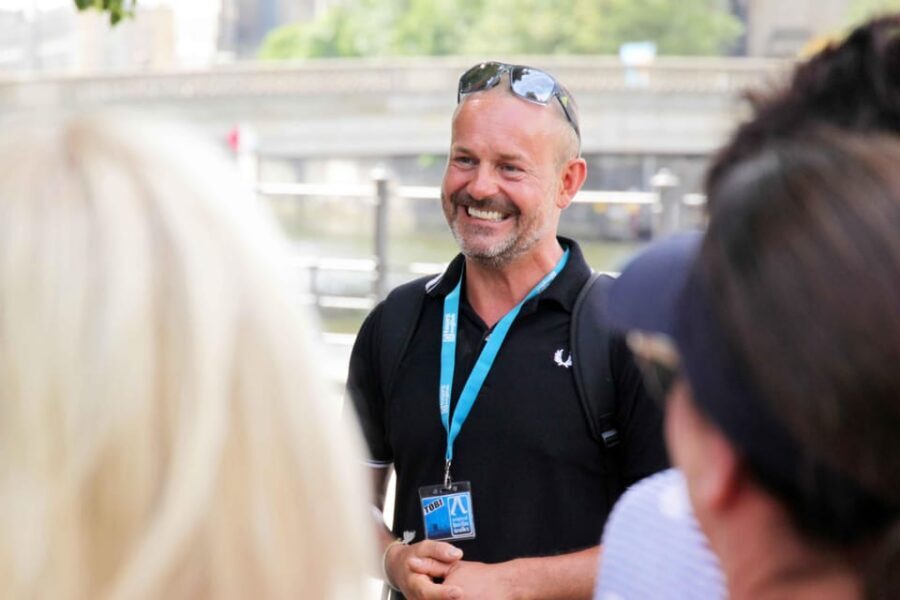
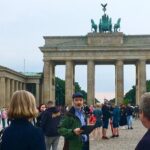
You begin at Pariser Platz, and there’s a short guided intro to set the stage. This is one of those Berlin squares where the architecture is more than decoration. It helps you understand why this part of the city became so symbolic.
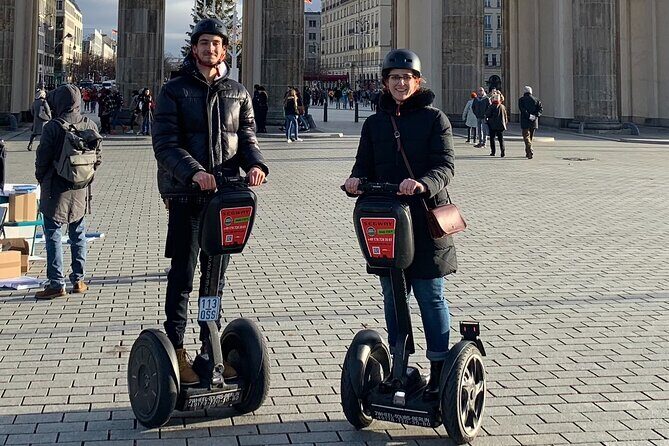
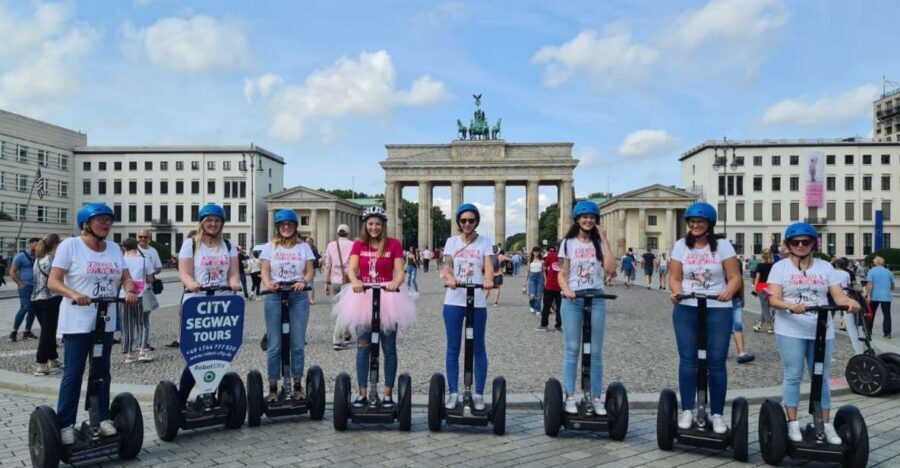
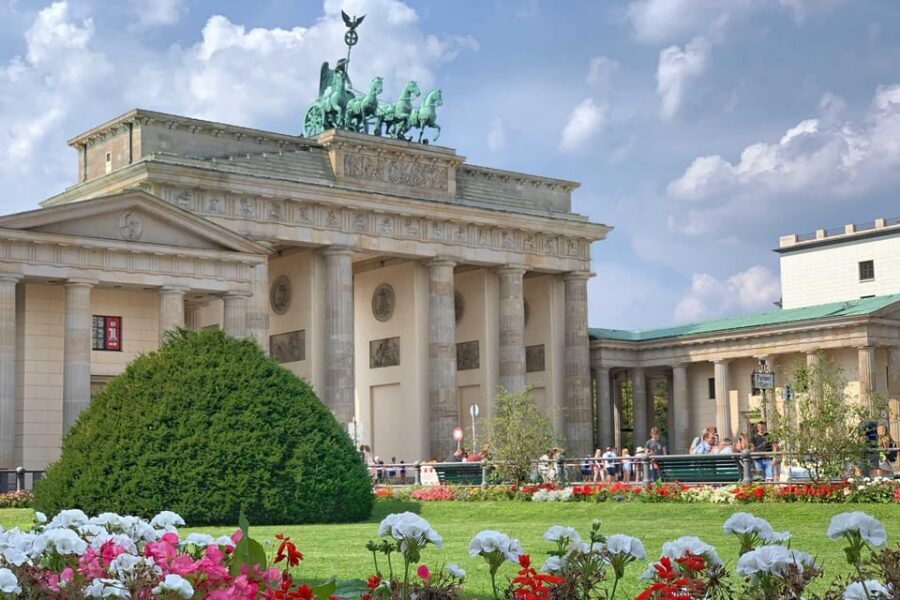
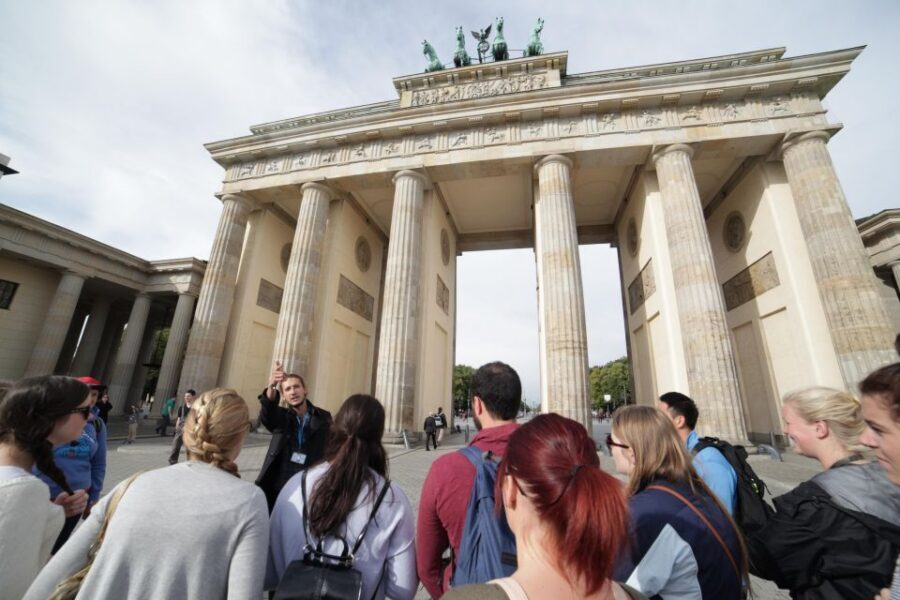
Then you move to the Brandenburg Gate, one of the most recognizable structures in Germany. The guide doesn’t just point and name—it ties the gate to the larger themes Berlin went through: division, rebuilding, and the constant struggle over what public spaces mean. You’ll also walk through the immediate surroundings, including Pariser Platz, where the neoclassical buildings help explain why this area carries so much political weight.
I like starting here because it gives you a reference point. Once you’ve seen the Gate, the later Cold War and WWII memorial stops land with more meaning. You’re not just collecting stops—you’re following a story.
The Reichstag area and what democracy costs
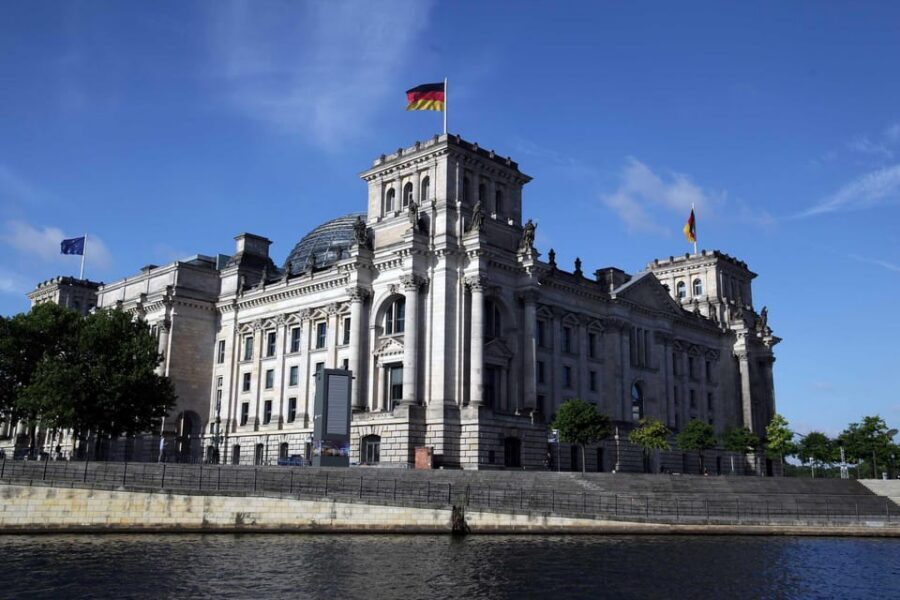
From the Gate, you’re guided toward the Reichstag, Germany’s parliamentary building. Even if you don’t go inside, the explanation around the site helps you connect past and present. The Reichstag is tied to the Weimar period and the long, difficult road Germany traveled afterward.
Right near this area, you also encounter the Politicians’ Memorial, which commemorates political figures who were persecuted during turbulent German history. This is where the tour does something valuable: it shifts from big events to the human cost of political repression. You’ll walk away understanding that democracy isn’t a guarantee—it’s something people defend, and often at a terrible personal price.
If you’re the type who normally rushes past plaques, slow down here. This is the part where you get the clearest “why it matters” connection between the architecture you’re seeing and the political reality of the 20th century.
Hitler’s Bunker site: a chilling place on a normal street
The tour includes the site of Hitler’s Bunker, hidden beneath Berlin’s surface. You don’t visit an interior, but the guide helps you picture what “underground” meant in the final days of the Third Reich—and why the location still affects how Berlin remembers that period.
This stop can feel strange for some people, because Berlin today is a working city. You’re not in a museum. You’re standing where a major turning point happened, but the streets around it don’t look like history. That contrast is part of the point, and the guide’s tone helps you handle it respectfully.
Practical tip: give yourself a few extra seconds at the edge of the group. When you’re standing at a site like this, the explanation lands best when you’re not already moving ahead in the crowd.
Memorial stops that force you to look longer

The most emotionally heavy part of the tour is the memorial sequence. You’ll see both the Sinti & Roma Memorial and the Memorial of the Murdered Jews of Europe.




Sinti & Roma Memorial
This memorial honors the thousands of Sinti and Roma people who suffered during the Holocaust. I like that it’s included in an express tour that also covers other headline sites. It matters because it broadens the understanding of Nazi persecution beyond the most frequently cited names and dates.
Memorial of the Murdered Jews of Europe
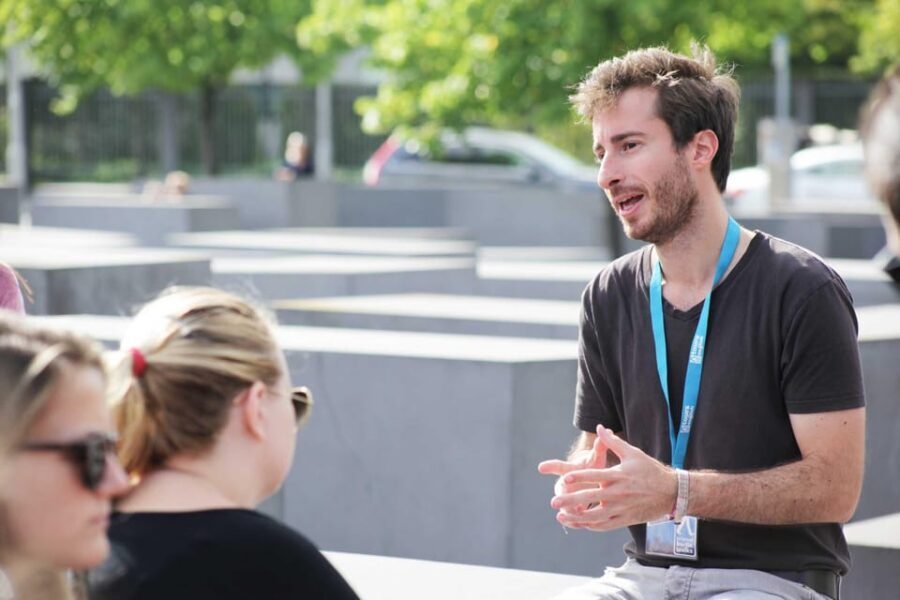
Then you reach the Memorial of the Murdered Jews of Europe, described as haunting and powerful. The experience here is the layout: concrete slabs forming a kind of labyrinth. The point isn’t comfort. It’s scale, silence, and the weight of what’s being remembered.
For your planning: this is not a photo-stop. If you want the full effect, bring yourself to pause. In a 2-hour tour, you won’t have unlimited time to process, so treat these moments as the emotional “anchor” of the trip.
Tiergarten and the Soviet War Memorial: remembering different sides without erasing nuance
Next you head into Tiergarten for the Soviet War Memorial. The guide explains who the soldiers were and references the Battle of Berlin during WWII. You’ll also notice the memorial’s grandeur, which can look almost theatrical at first glance—until you connect it to the purpose: honoring lives lost and marking an event that reshaped the city.
This stop is valuable because it widens your WWII lens. Berlin’s story isn’t only German or only Western. Including the Soviet perspective helps you understand the Cold War world that followed, and why Berlin became the center of that conflict.
I find this balance matters. A tour that only hits one narrative can leave you with a flat picture. Here, the guide gives you a fuller map of who fought, who died, and how memorials communicate power.
Finance Ministry and the wall of time: how the city changed its layers
The walk continues past the Finance Ministry, which the tour uses as a modern contrast to the older events around it. This kind of stop is easy to underestimate—until you realize why it’s useful. Berlin isn’t frozen in 1945. It kept building, repurposing, and reinterpreting spaces as political systems changed.
It’s a good reminder for you: you’re not only touring WWII. You’re touring the aftermath—how a city re-organizes itself after trauma.
Berlin Wall remnants and Topography of Terror: seeing division without needing a museum ticket
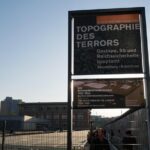
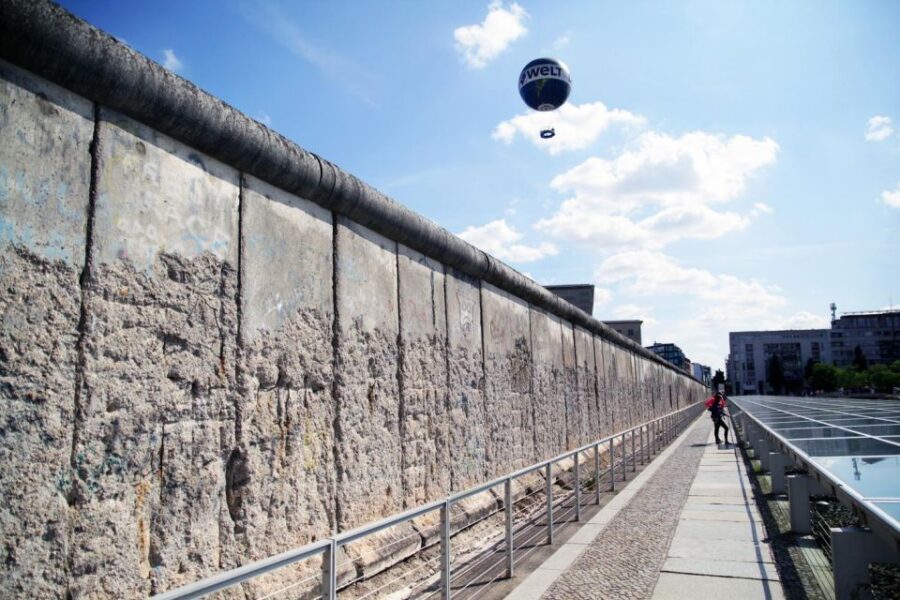
One of the most practical parts of this tour is the Berlin Wall remnants connected to Topography of Terror. You’ll see physical traces of the division, then get context for what that division meant day to day during the Cold War.
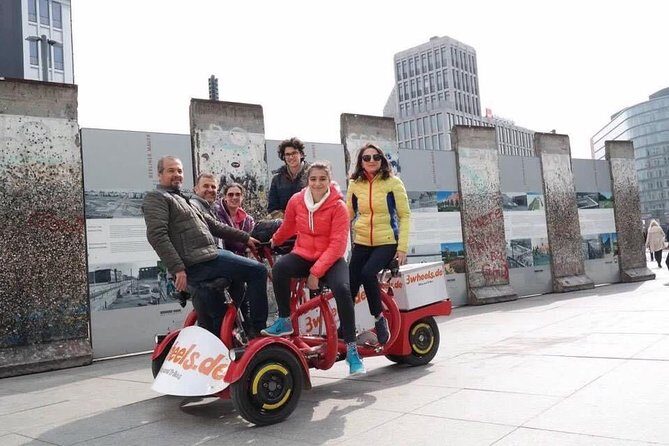
The value here is that you’re learning in place. When you see remaining wall sections and nearby documentation areas, the Cold War stops being an abstract concept. You start connecting it to geography—where people could go, where they couldn’t, and how politics turned streets into borders.
Because this is an express walk, you’re not planning a long museum visit. Still, you get enough guidance to make the site coherent, so you can come back later if you want deeper reading.
Checkpoint Charlie: the ending point where espionage stories click into place
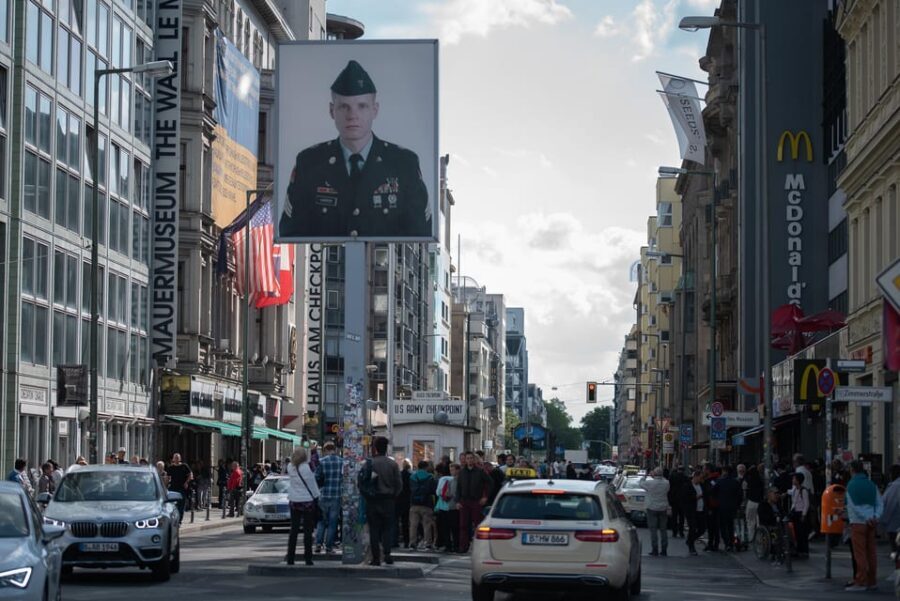
You finish at Checkpoint Charlie, one of the best-known border crossing points from the Cold War. The guide brings in stories of espionage and escape attempts, tying them back to the broader theme you’ve been following: a city divided by ideology, where movement itself became a high-stakes issue.
I like ending here for one main reason. It’s the most “cinematic” stop on the route, but it’s also the one where the earlier memorial and division context makes the stories feel grounded instead of cartoonish.
Price and value: is $23 worth it?
At $23 per person for a 2-hour guided walking tour, the value comes down to two things: (1) where else you’d spend that time, and (2) whether you can get this kind of guided context without slowing your day down.
For many people, a self-guided route around Brandenburg Gate, Reichstag area memorial zones, Wall remnants, and Checkpoint Charlie can easily stretch into half a day or more—especially if you keep pausing to research what you’re looking at. Here, you’re paying for an experienced academic guide who speaks English clearly and keeps the narrative organized.
Also, because there are no building entries, your time stays predictable. That’s a big deal when your schedule is tight.
If you have limited days in Berlin and want the strongest overview of 20th-century landmarks, this is one of the more efficient ways to spend a couple hours.
Who this tour is best for
This tour fits you if:
- you want the key Berlin landmarks tied to WWII and Cold War meaning
- you prefer walking with guidance over reading on your own
- you have a limited time window and still want the emotional memorial stops included
It might not fit you if:
- you’re set on going inside major buildings or doing museum-style time
- you prefer unstructured wandering with lots of free time to stop wherever you like
A realistic packing checklist (so you don’t miss the good parts)
Bring comfortable shoes. You’re doing a guided walk across multiple significant locations, and Berlin’s sidewalks can be uneven in spots. Also wear weather-appropriate clothing. In colder or rainy weather, the memorial sequence still moves forward, so you’ll feel it if you’re underprepared.
If you need a wheelchair-friendly route, the tour is wheelchair accessible, which helps you plan without scrambling for alternate options.
Should you book Discover Berlin Express Tour: 2hr Highlights?
Yes—if you’re after a fast, organized, meaningful overview of Berlin’s 20th-century turning points. For the price, you get an English-speaking academic guide, a tight route from Pariser Platz/Brandenburg Gate to Checkpoint Charlie, and a set of memorial stops that go beyond surface sightseeing.
Skip it only if you know you want to spend long minutes inside buildings or museums. This one is about seeing and understanding efficiently, not sitting in exhibitions.
FAQ
How long is the Discover Berlin Express Tour?
It lasts 2 hours.
Where does the tour start and where does it end?
It starts at Pariser Platz and finishes at Checkpoint Charlie.
What landmarks and memorials do you see?
You’ll see Brandenburg Gate, the Reichstag area, the Sinti & Roma Memorial, the Politicians’ Memorial, the Soviet War Memorial, the Memorial of the Murdered Jews of Europe, the site of Hitler’s Bunker, Berlin Wall remnants / Topography of Terror, and Checkpoint Charlie.
Does the tour enter any buildings?
No. The tour does not enter any buildings.
Is the guide speaking English?
Yes. The live tour guide speaks English.
How much does it cost?
The price is listed as $23 per person.
What should I bring?
Bring comfortable shoes and weather-appropriate clothing.
Is it possible to cancel or pay later?
The tour offers free cancellation up to 24 hours in advance for a full refund, and you can use reserve now & pay later to keep plans flexible.