REVIEW · BERLIN
Historical city tour in the African Quarter in Berlin
Book on Viator →Operated by Dekoloniale Stadtführung · Bookable on Viator
Berlin’s street signs have receipts.
This two-hour walk through the African Quarter in northern Berlin is interesting because it uses street names as a shortcut to Germany’s colonial era, then helps you connect the dots to modern debates about history and naming. I especially love the way the tour turns quiet street corners into sharp questions about power and responsibility, and I like the tight stop structure—each place is short, focused, and easy to follow. One possible drawback: this is mostly an outdoor walking tour that depends on good weather, so plan for layers and conditions.
If you want Berlin that feels like real-life history, this is a solid choice. The operator, Dekoloniale Stadtführung, keeps the pace manageable (about two hours, up to 20 people) and uses a small route with an unusually specific theme: Germany’s role in Africa and the colonial machinery behind it. If you’re expecting big monuments or inside museum time, you might feel a bit outside your comfort zone at first—but the street-level storytelling is the point.
In This Review
- Key things you’ll notice on this African Quarter walk
- Why Berlin’s African Quarter is a history lesson on foot
- Price and timing: what $33.57 buys you
- Walking route reality: where you start and how it flows
- Stop-by-stop: what you’ll learn at each corner
- Stop 1: Swakopmunder Straße — Why Berlin borrows a Namibian name
- Stop 2: Anna-Mungunda-Allee — Naming honor, and the question of renaming
- Stop 3: Manga-Bell-Platz — Gustav Nachtigal and the power behind a square
- Stop 4: Kongostraße — 1884, the Congo Conference, and who got left out
- What makes Dekoloniale Stadtführung’s style work
- Who this tour is for (and who might want to pick something else)
- Practical value: why this tour can change how you see Berlin
- Should you book this African Quarter walking tour?
- FAQ
- FAQ
- How long is the African Quarter historical city tour?
- How much does the tour cost?
- Where does the tour start and end?
- Does the tour use a mobile ticket?
- How many people are in the group?
- Is the tour near public transportation?
- Is the tour suitable for most travelers?
- Are service animals allowed?
- What happens if the weather is poor?
- Is there free cancellation?
Key things you’ll notice on this African Quarter walk
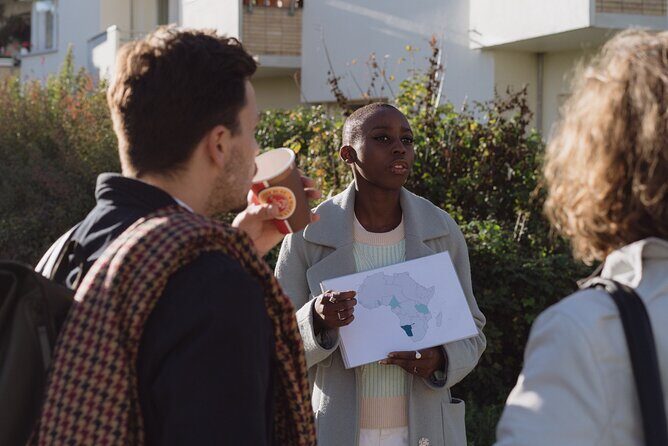
- Street names as clues: 22 streets form an area monument, and many are labeled after African countries, European cities, or colonial-era figures.
- Namibia shows up fast: stops frame questions like what Swakopmund has to do with Berlin and what Germany was doing in Namibia.
- Colonial-era naming controversies: you’ll hear about Anna-Mungunda-Allee and even the idea of whether streets should be renamed.
- Gustav Nachtigal gets explained: Manga-Bell-Platz connects a central square name to Germany’s colonial ties and motives.
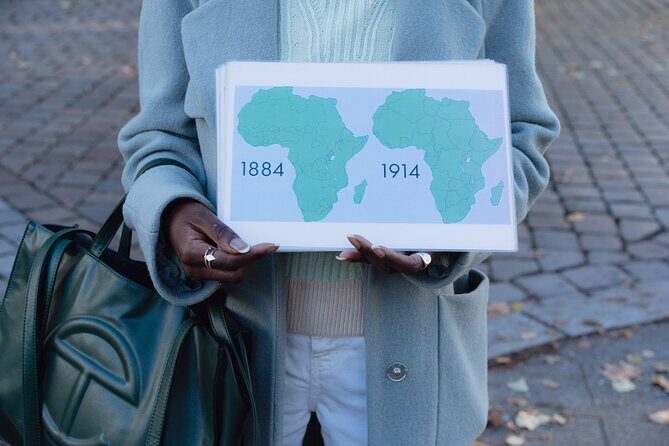
- The Congo Conference becomes visual: at Kongostraße, you’ll get the what/why of 1884 and why Africa wasn’t represented—plus a map before-and-after.
- Small group, clear timing: maximum 20 travelers and short stops make it easier to stay engaged without rushing.
Why Berlin’s African Quarter is a history lesson on foot
Berlin can be dramatic. But this tour is smarter than the usual “big landmark” approach. Instead of asking you to look up at statues, it asks you to look around at street names and treat them like documents.
The African Quarter is described as an area monument with 22 streets. What makes it stand out is the naming logic: streets reference African countries, European cities, and also former imperial commissars from the colonial era. That mix matters. It’s not just geography; it’s a way of putting colonial influence into everyday life. You’ll quickly realize why that’s worth talking about—especially if you care about how history gets remembered, simplified, or sanitized.
The tour is built around questions, not lectures. You start with a place name (Swakopmunder Straße), then follow it into the bigger story: Germany’s relationship with Namibia and colonial rule. Then you move into street naming choices that raise practical ethical questions—who gets honored, who gets erased, and why. The vibe isn’t gloomy for the sake of gloom. It’s more like: here’s the map, here’s the timeline, now ask the hard questions.
If you like walking tours that feel grounded in real city texture—side streets, signage, corners—this fits. And if you’ve ever wondered why certain parts of Berlin carry specific historical fingerprints, you’ll get a clearer answer.
You can also read our reviews of more city tours in Berlin

Price and timing: what $33.57 buys you
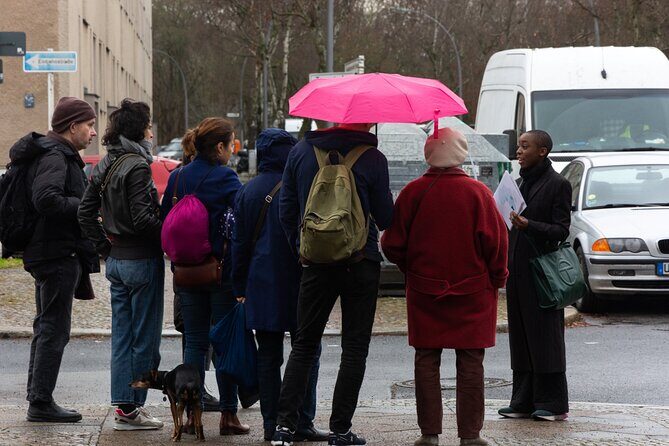
At $33.57 per person for about 2 hours, you’re paying for guided interpretation rather than transportation, museum tickets, or entrance fees. The stops listed are ticket-free, and the tour format seems designed for outdoor learning: short pauses, explanations, and a handful of key takeaways you can repeat later.
Is it good value? For many people, yes—because the topic is focused and the route is compact. You’re not buying “general history of Berlin.” You’re buying a specific lens on Germany’s colonial era, using a small area you can still picture afterward. A small group limit of up to 20 travelers also helps. With fewer people, the guide can keep the pace from turning into a lecture with no interaction.
One small timing note: the itinerary segments are short (about 5 minutes per stop). That works well if you like efficient storytelling. It might feel brief if you prefer long pauses and slow debate at every stop, but you’ll still get enough context to understand why each location matters.
Walking route reality: where you start and how it flows
You’ll start at Swakopmunder Str. 44, 13351 Berlin. The tour ends at Rehberge 13349 Berlin. The route is in northern Berlin, which means you can combine it with other Rehberge or nearby area time if you want a longer day.
The guide’s format appears to be a sequence of quick, pointed stops—each one centered on a question you’ll actually remember:
- What a name suggests at first glance
- What Germany did in that region (or claimed it was doing)
- What that says about power and narrative control
The mobile ticket is helpful for keeping things simple—no printing, no scrambling with paper on a phone-heavy day. And since it’s near public transportation, you’re less likely to waste time on “how do we get there” stress.
Group size is capped at 20, so expect something closer to a small class than a huge bus tour.
Stop-by-stop: what you’ll learn at each corner
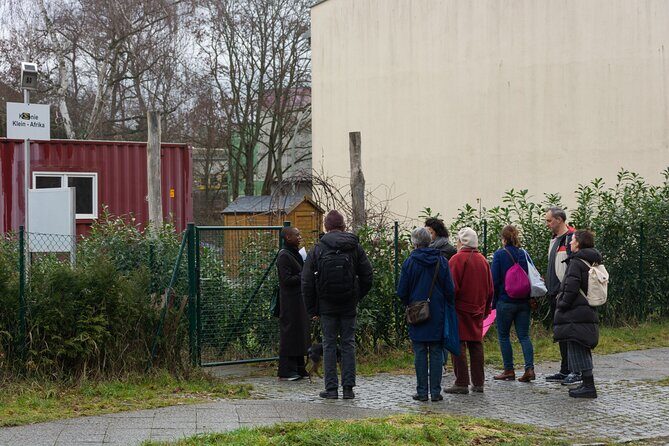
This tour is structured like a guided trail of clues. Each stop is short, but the questions build on each other—so you don’t just learn facts; you learn connections.
Stop 1: Swakopmunder Straße — Why Berlin borrows a Namibian name
The tour starts with a big name game: What does Swakopmund have to do with Berlin? Swakopmund is tied to Namibia, so the stop becomes a springboard into Germany’s relationship with that region.
From here, you’re set up for the theme: colonial presence doesn’t only happen “there.” It follows people, institutions, and naming practices back home. Street names can act like souvenirs of empire—kept in place long after the logic that created them.
What I like about this first stop is that it works instantly. Even if you’ve never studied German colonial history, you can spot the mismatch: why would a Berlin street name point so clearly to southern Africa? The guide’s job is to close that gap fast and then push you toward the larger story of colonial rule.
Possible drawback: if you’re deeply new to the subject, you may want to mentally keep a simple timeline handy in your head. The stop is short, so the tour relies on forward momentum.
You can also read our reviews of more historical tours in Berlin





Stop 2: Anna-Mungunda-Allee — Naming honor, and the question of renaming
Next comes a street with a person attached: Anna-Mungunda-Allee. The key question here is after whom was Petersallee named—and then the more challenging part: should the street be renamed, and why?
This is where the tour shifts from “what happened” to “what do we do with it now.” Street names aren’t neutral. They’re decisions. The tour brings you to a point where you can understand naming as a public act: it can honor resistance, or it can preserve colonial framing.
The practical benefit for you: you’ll leave with language for talking about these issues without turning it into vague opinion. Even if you don’t agree with the renaming idea, you’ll understand the reasoning behind it and the historical stakes involved.
If you’re someone who likes respectful, grounded discussion, this stop adds a modern edge. If you’re expecting only old-world dates and treaties, this might feel more pointed than you anticipated—but that’s part of the value.
Stop 3: Manga-Bell-Platz — Gustav Nachtigal and the power behind a square
At Manga-Bell-Platz, the tour asks: Who was Gustav Nachtigal? Then it tackles: why was the central square of the African Quarter named after him?
This stop is important because it explains how individuals get turned into symbols. A person’s name on a prominent square is never just a label. It signals what the city chose to remember and what it chose to elevate.
The tour’s approach here seems designed to help you read the city differently. Instead of seeing a place name as decoration, you start seeing it as political intent. That’s a big “aha” moment for many people on this kind of walk—especially when the figure involved ties back to colonial campaigns.
One consideration: because this is a quick stop, you may want to take notes or jot down the names you hear (Nachtigal is the big one) so you can look up details later with better context.
Stop 4: Kongostraße — 1884, the Congo Conference, and who got left out
The last stop is Kongostraße, and it leans into one of the tour’s most direct storylines: What happened in Berlin in 1884? Then it connects that moment to the Congo Conference and asks a blunt question: why was no one from Africa present?
The tour also promises something practical for understanding: a map of Africa before and after the Berlin conference. Maps are vital here because colonial decisions often get described vaguely in textbooks, but cartographic changes show the result in a way that’s hard to ignore.
If you want one reason to book this tour, it’s that Berlin’s colonial timeline gets anchored to a specific event you can picture: a Berlin conference that reshaped Africa in European terms, with Africans not at the table. That’s the kind of fact pattern that sticks because it feels unjust in a concrete way, not just a moral slogan.
A small pacing note: since the stop is about 5 minutes, the map explanation is likely meant to be an overview rather than a full history seminar. Still, even an overview can change how you see the street and the city afterward.
What makes Dekoloniale Stadtführung’s style work
The operator is Dekoloniale Stadtführung, and the structure suggests a guide who keeps the focus tight:
- short stops
- clear framing questions
- immediate relevance to German-African colonial connections
The best review highlights mention that the guide was engaging and made the material click. Even with a theme that can feel heavy, the tour seems designed to keep you moving and thinking. That matters. If colonial history is delivered like a dry lecture, people tune out. Here, the questions keep your brain switched on.
Also, the tour is limited to max 20 travelers. That size helps discussions feel possible. Even if you mostly listen, the guide can keep explanations clearer and not drown everything in a crowd’s logistics.
Who this tour is for (and who might want to pick something else)
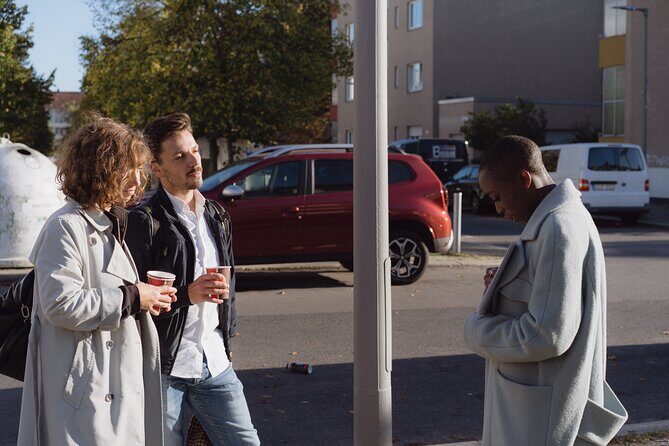
This is a strong match if you want:
- a walking tour that reads the city through street names
- a focused route with a clear theme (German colonial history in Africa)
- a practical, question-led format that helps you understand why naming choices matter
It’s also good if you’re traveling with someone who loves history but gets restless with long museum sessions. You’ll be outside, moving, and mentally engaged.
You might consider a different tour if you’re hoping for:
- lots of indoor time or major monuments
- a broad, multi-century sweep of Berlin
- a slow pace with extended research-style storytelling at each stop
And if weather is iffy when you’re in Berlin, plan your day with backup indoor options. Since the experience requires good weather, you don’t want to schedule it as your only activity that day.
Practical value: why this tour can change how you see Berlin
The tour’s real payoff isn’t just knowing facts like what happened in 1884 or what the Congo Conference was. It’s learning how easily empire shows up in everyday environments.
When you finish, you’ll likely start noticing street names differently—because you’ll know they can be shortcuts to power relationships. You’ll also be more prepared to ask better questions when you see naming controversies elsewhere in Europe.
That perspective shift is a big deal for travelers. Berlin already has layers. This one adds a layer you might not have been looking for.
Should you book this African Quarter walking tour?
I’d recommend booking if you want a smart, focused way to understand Germany’s colonial-era footprint in the city you’re standing in. The route is short enough to fit into a busy day, the group is small, and the stop format makes the history feel usable—especially with the Congo Conference map moment and the Namibia/Swakopmund connection.
I’d skip or postpone it if weather is likely to derail outdoor plans or if you want a more traditional sightseeing style. But if you’re open to a walking tour that asks hard questions and ties them directly to Berlin street names, this is a very good use of two hours.
FAQ
FAQ
How long is the African Quarter historical city tour?
The tour lasts about 2 hours.
How much does the tour cost?
It costs $33.57 per person.
Where does the tour start and end?
It starts at Swakopmunder Str. 44, 13351 Berlin and ends at Rehberge 13349 Berlin.
Does the tour use a mobile ticket?
Yes, it uses a mobile ticket.
How many people are in the group?
The tour has a maximum of 20 travelers.
Is the tour near public transportation?
Yes, it’s near public transportation.
Is the tour suitable for most travelers?
Most travelers can participate.
Are service animals allowed?
Yes, service animals are allowed.
What happens if the weather is poor?
The experience requires good weather. If it’s canceled due to poor weather, you’ll be offered a different date or a full refund.
Is there free cancellation?
Yes. You can cancel up to 24 hours in advance for a full refund. If you cancel less than 24 hours before the start time, the amount you paid won’t be refunded.