REVIEW · BERLIN
Private 3-Day Tour from Berlin to Krakow Auschwitz Poland
Book on Viator →Operated by Maciej Krupski Travel · Bookable on Viator
Three days, two countries, one powerful lesson. This private Berlin-to-Krakow route strings together major sights with private pickup and transport, then adds guided Auschwitz-Birkenau and the underground world of Wieliczka. You’ll also get a focused late-afternoon walk in Krakow’s Old Town, including St. Mary’s Basilica Tower, Market Square, St. Florian’s Gate, and the Wawel Hill royal complex.
I especially like how the plan is built for real time savings: you’re not wrestling with trains or transfers, and the driving days include refreshments and snacks along the way. The other win is the human scale—this is only your group—plus the guide attention is clearly a highlight, with Maciej Krupski Travel’s driver-guide staying on top of pacing and small needs like water and bites between stops. One possible drawback: you’ll start early and move fairly continuously, so if you prefer slow mornings (or you’re sensitive to heavy sites), build in extra recovery time for the day at Auschwitz.
In This Review
- Key highlights at a glance
- A private Berlin-to-Krakow plan that protects your time
- Why this matters for value
- The practical tradeoff
- Krakow Old Town in the late afternoon: Wawel, gates, and Market Square
- Dinner that leans local, not touristy
- A small pacing tip for you
- Auschwitz-Birkenau with a guided tour you can actually follow
- Why your guide matters here
- The main consideration for you
- Wieliczka Salt Mine: underground chambers and the Chapel of St. King
- What makes this stop worth your energy
- A practical thought
- Swidnica’s Church of Peace: UNESCO wooden architecture on the return drive
- Why it’s a smart inclusion
- Finish in Berlin
- Price and what you’re really paying for at $2,247.42 per person
- When this price makes sense for you
- When it might not
- Maciej’s guiding style: punctual, caring, and practical
- What you should do to get the most out of a guide
- Who this tour suits best (and who should reconsider)
- Reconsider if…
- FAQ
- FAQ
- What time is pickup in the Berlin area?
- Is this a private tour?
- Which major sites are included?
- Are admission tickets included?
- What meals are part of the package?
- What’s the cancellation window for a full refund?
- Should you book this Berlin–Krakow Auschwitz tour?
Key highlights at a glance
- Private Berlin pickup and door-to-door drop-offs so you can start the trip without logistics stress
- Guided Auschwitz-Birkenau visit with admission included for a more structured, meaningful experience
- Wieliczka Salt Mine underground chambers and Chapel of St. King formed almost entirely of salt
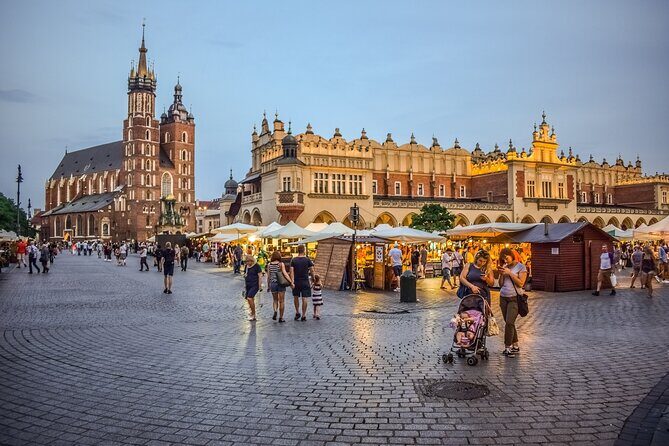
- Krakow Old Town route with major landmarks like St. Mary’s Basilica Tower and St. Florian’s Gate
- Royal Castle at Wawel Hill including the royal tomb crypts
- Church of Peace in Swidnica (UNESCO since 2001) in the half-timbered style
A private Berlin-to-Krakow plan that protects your time
This is the kind of tour that works because it removes the boring parts. You’re picked up in the Berlin area from your accommodation or from BER Brandenburg, then you’re driven straight toward Poland. The itinerary puts the Berlin pickup at 7 a.m., and you arrive in Krakow at about 2:00 p.m.—a clean, predictable day-1 rhythm.
On the road, you’re not left to fend for yourself. The plan includes snacks and beverages during transportation, plus onboard refreshments while traveling to Poland. That sounds small, but on a long drive it’s the difference between arriving cranky and arriving ready to explore. It also matters because Krakow day 1 isn’t a full-day city tour—it’s a late-afternoon push into the Old Town—so you’ll want that energy.
You can also read our reviews of more private tours in Berlin

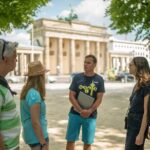
Why this matters for value
For many international trips, the hidden cost is time and stress. Here, the package is set up so you can spend your energy on the sights themselves: Krakow’s core, the Auschwitz-Birkenau memorial, Wieliczka Salt Mine, and a stop at a UNESCO-listed wooden church on the return drive.
The practical tradeoff
It’s private transport, so you’ll pay for that comfort and control. And since it’s a tight 3-day arc, you’ll still feel the pace. If you’re the type who likes wide-open space between activities, you might find the schedule intense—especially after Auschwitz.
Krakow Old Town in the late afternoon: Wawel, gates, and Market Square
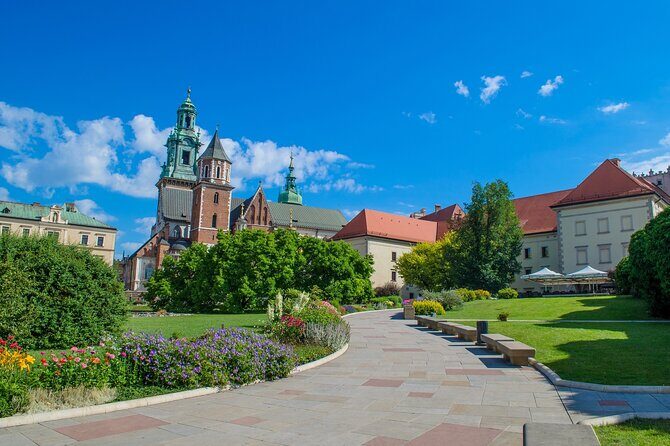
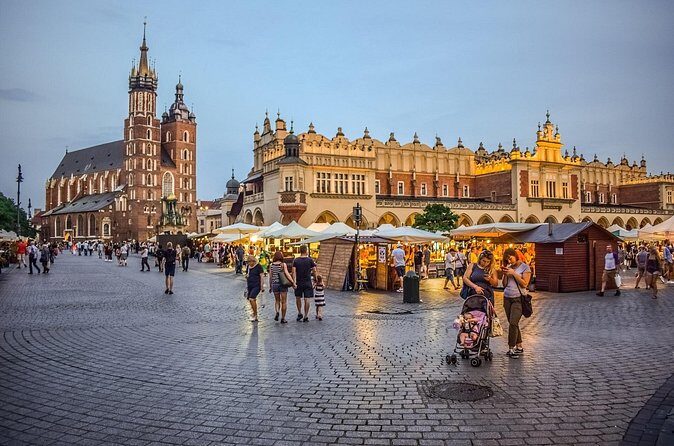
By the time you reach Krakow, you check into your hotel and then head out for a late-afternoon Old Town loop. The focus is concentrated and very recognizable: St. Mary’s Basilica Tower, Market Square, and St. Florian’s Gate. You also get Cloth Hall time—this historic trading hall is where you can hunt for handmade items that actually feel tied to the place, not just generic souvenirs.
Then comes Wawel Hill. The itinerary is clear about what this visit includes: the Royal Castle and the royal tomb crypts. That’s one of those stops where a good guide changes everything. Even if you don’t read every plaque, the layout and what you choose to notice can make the visit feel coherent rather than random.
Dinner that leans local, not touristy
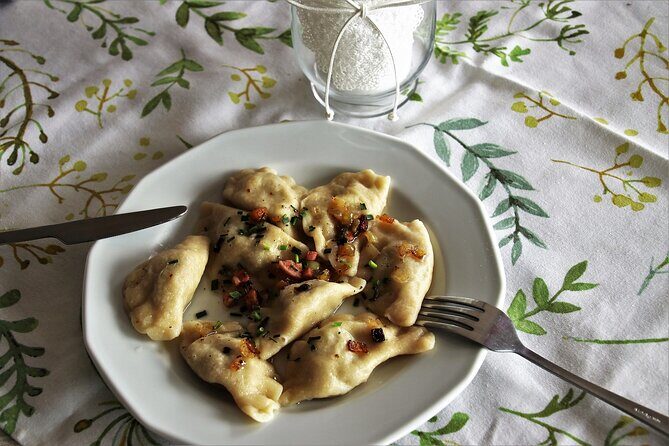
Day 1 ends with dinner at a restaurant serving traditional Polish cuisine. The guide is also described as arranging local foods, and that’s exactly what you want after a travel day and a walking round: something warm, filling, and real.
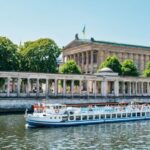

A small pacing tip for you
Since this is late afternoon, you’ll likely be walking in cooler light than mid-day. Wear comfortable shoes anyway—Old Town cobblestones don’t care about your good intentions. And if you’re photographing, give yourself a few minutes at Market Square before you rush onward. It’s the kind of place where quick stops turn into longer ones—in a good way.
Auschwitz-Birkenau with a guided tour you can actually follow
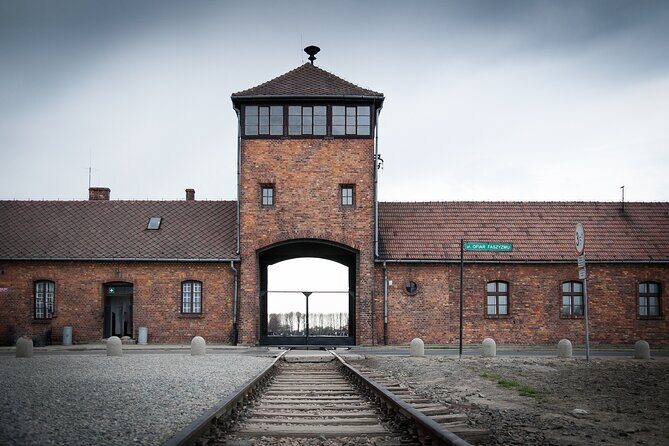
Day 2 is the emotional anchor. After an early breakfast, the drive to Auschwitz-Birkenau takes about 1.5 hours. The tour includes a guided visit of roughly 4 hours, and admission is included.
The itinerary also gives context on why this is worth doing with guidance: more than 1.1 million men, women, and children lost their lives here. The point of the guided portion isn’t to make it easier—it’s to make it understandable. With a structured explanation, you’re not just walking among remnants; you’re connecting the dots across the site.
Why your guide matters here
This is where the reviews stand out. Your guide—Maciej—comes across as the type who knows how to keep the experience organized and respectful, while still answering your questions. The feedback is consistent: he’s efficient, answers needs, and is very strong on history and context.
That matters because Auschwitz can feel overwhelming. A guide helps you manage timing, find the right moments to pause, and get more out of what you’re seeing without turning it into a checklist.
The main consideration for you
This is heavy. Even if you come prepared, you may still need recovery time afterward. Since the same day also includes Wieliczka Salt Mine, consider how you personally handle intense history. If you usually need quiet downtime after emotional sites, decide if you want a shorter break in Krakow before the salt mine—or just accept you’ll be processing for a while.
Wieliczka Salt Mine: underground chambers and the Chapel of St. King
Right after Auschwitz, you head to Wieliczka Salt Mine for about 3 hours. Admission is included here too.
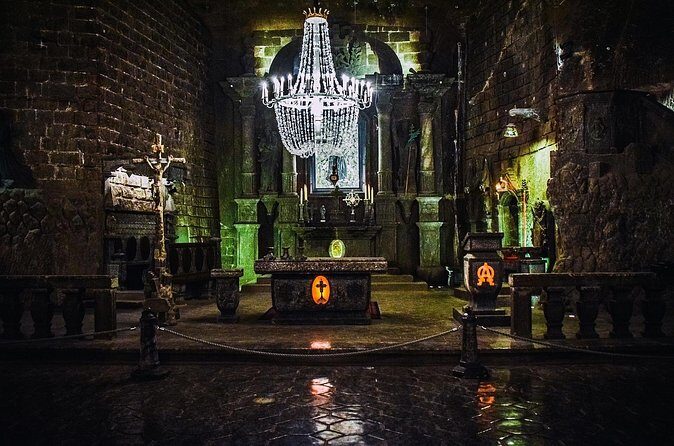
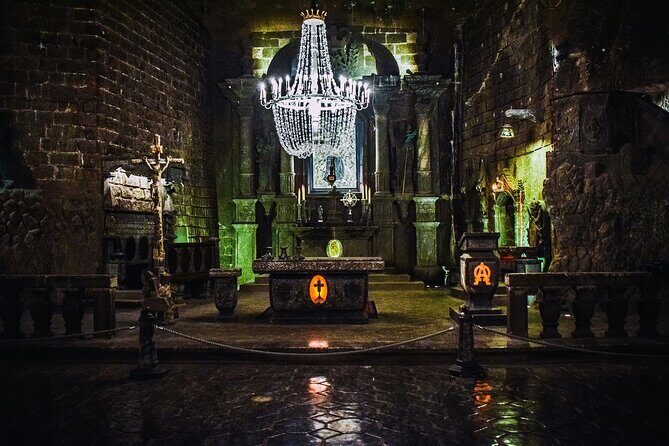
The itinerary highlights what you’ll see: underground tunnels, salt lakes, and underground chambers. One standout is the Chapel of St. King, described as being almost entirely formed of salt. That’s the kind of detail that signals why this place is famous: it’s not just a tunnel ride. It’s a deep, strange world you move through step by step.
What makes this stop worth your energy
After a memorial, Wieliczka feels different in the best way. It’s concrete and physical—low light, stone-like textures, salt formations—so your brain shifts gears. You go from human tragedy to human industry and craft, still with historical weight, but with a different tone.
A practical thought
Because it’s underground, dress in layers. Even if the weather in Krakow is mild, caves and mine spaces can feel cooler. And take it at a steady pace. The best experience here is the kind where you stop to look, not the kind where you rush to prove you were there.
Swidnica’s Church of Peace: UNESCO wooden architecture on the return drive
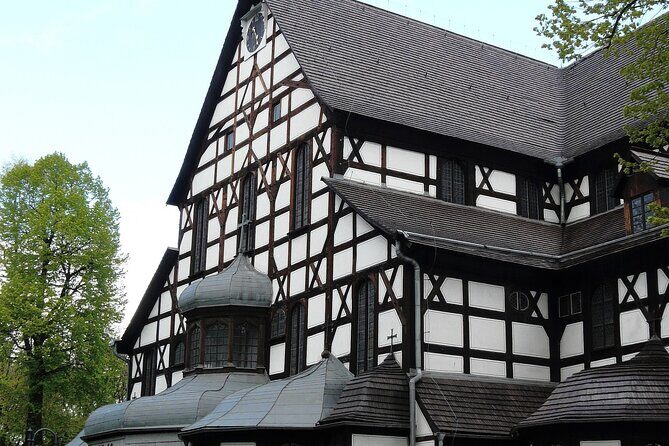
On the third day, you leave Krakow for Germany early—around 8 a.m.—and the ride includes an important stop before Berlin. The tour visits Church of Peace (Kosciol Pokoju) in Swidnica, and you spend about 1 hour there.
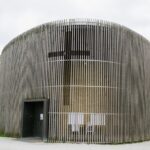
This isn’t a tiny church you glance at and move on. The description calls it Europe’s largest wooden Baroque temple, built in the half-timbered style. The structure uses a wooden framework filled with clay and straw, and it’s been on the UNESCO World Heritage List since 2001. It also belongs to the Swidnica parish of the Polish Evangelical-Augsburg Church.
Why it’s a smart inclusion
On a long Berlin-Krakow trip, the temptation is to cram more city sights. Instead, this stop is a change of scenery and a different kind of history—architecture, materials, and craftsmanship. It helps you end the trip with something visually striking rather than ending on another heavy memorial note.
Finish in Berlin
After the church stop, you keep driving to Berlin and get dropped off near your hotel area around 6 p.m. The last driving segment is about 4 hours, so you’re likely done and ready for a shower and a proper meal when you arrive.
Price and what you’re really paying for at $2,247.42 per person
Let’s talk money without hand-waving. The price listed is $2,247.42 per person for a private 3-day tour. That figure will feel high if you’re comparing it to public transit city hopping.
But the package isn’t just “see attractions.” It bundles:
- Accommodation for two nights
- Private transportation across long distances
- Guiding and admission fees
- Two breakfasts and two dinners (and snacks/beverages while traveling)
And you’re getting private, door-to-door service for multiple countries and major sites in a short window. If you split the cost between two people, the value usually looks more reasonable. If you’re traveling solo, the cost is still predictable, but you’re paying more for the privacy and logistics.
When this price makes sense for you
This tour is strongest if you want:
- less time planning and rerouting,
- a guide for major sites (especially Auschwitz),
- and a schedule that keeps your time tight.
When it might not
If you’re budget-first, want maximum freedom, or dislike early starts, you might decide to build your own version with trains and independent guides.
Maciej’s guiding style: punctual, caring, and practical
One of the most praised parts of the experience is the person running it on the ground: Maciej. The reviews describe him as punctual—picking up exactly on time—and consistently attentive throughout.
You’ll notice the practical touches. Maciej is described as:
- bringing water and local snacks during gaps between tours,
- making sure the trip stays efficient,
- arranging dinner with local food options,
- and keeping conversation going while still providing clear historical context.
There’s also a strong theme around the quality of the separate parts: Old Town, Auschwitz, Salt Mines, and a Jewish-section experience woven into Krakow time. Even if you’re not chasing a religious or cultural history itinerary, having that broader scope helps Krakow feel more like a living city instead of a highlight reel.
What you should do to get the most out of a guide
Come with a few questions you actually care about. Ask what to prioritize in the time you have. And give yourself permission to pause at the sites that slow you down—good guides will adjust to your pace as long as it stays respectful and within the schedule.
Who this tour suits best (and who should reconsider)
This 3-day experience fits best if you want a private, guided Berlin-to-Krakow trip with major sights handled for you. It’s especially good for couples, friends, and small groups who:
- want the comfort of pickup/drop-off,
- prefer guided context at Auschwitz,
- and don’t want to spend days coordinating transit.
It’s also a solid choice if you value a guide who’s more than just a narrator—someone who keeps things running and looks after small details like snacks, water, and dinner choices.
Reconsider if…
- you struggle with early mornings and a tight rhythm,
- you need lots of quiet time after intense historical sites,
- or you’re trying to keep costs as low as possible.
FAQ
FAQ
What time is pickup in the Berlin area?
Pickup starts in the early morning. The itinerary lists a 7 a.m. pickup, while the tour listing shows a start time of 8:00 am. You’re picked up from your hotel or from BER Brandenburg.
Is this a private tour?
Yes. It’s described as a private tour/activity, and only your group participates. Transportation is also private.
Which major sites are included?
The tour includes Old Town Krakow highlights (including St. Mary’s Basilica Tower, Market Square, St. Florian’s Gate, Cloth Hall), Wawel Hill with the Royal Castle and royal tomb crypts, a guided Auschwitz-Birkenau memorial visit, Wieliczka Salt Mine, and the Church of Peace in Swidnica.
Are admission tickets included?
Admission and guiding fees are included. The itinerary specifically lists Auschwitz-Birkenau and Wieliczka Salt Mine as included, and the Church of Peace in Swidnica as included as well.
What meals are part of the package?
The package includes 2 breakfasts and 2 dinners. It also includes snacks & beverages during transportation, plus refreshments while traveling from Berlin to Poland.
What’s the cancellation window for a full refund?
You can cancel up to 3 days in advance of the experience for a full refund. If you cancel less than 3 days before the start time, the amount paid is not refunded.
Should you book this Berlin–Krakow Auschwitz tour?
If you want a guided, private way to do Auschwitz-Birkenau and still cover Krakow and Wieliczka without transit stress, this is a strong option. The standout advantage is the combination of long-distance private transport plus a guide (Maciej) who’s praised for punctuality, care, and historical explanation.
If the pace feels too intense or the price feels too steep, you can still find alternatives—but they usually add planning work and coordination on your side. My advice: if you prefer having the hard parts handled, and you want the trip to feel organized rather than rushed, this one is worth considering.