REVIEW · BERLIN
Private Walk with Berlin Tour Guides (Din EN 15565)-Taylor Made
Book on Viator →Operated by Berlin-Rickshaw / Berlin-Excursions · Bookable on Viator
Berlin’s story moves fast on foot. This private walk strings together huge sights and serious memorials in one logical route, with tailor-made options if you want to linger or add stops.
What I like most is the mix of major landmarks and context you actually need. You get photo stops at places like the Reichstag, Brandenburg Gate, and Berlin Wall highlights, plus guided stops at Bebelplatz, Checkpoint Charlie, Topography of Terror, and the Holocaust Memorial. A second big win is the easy pickup-and-drop idea so you can spend your energy sightseeing instead of figuring out where to meet.
The main thing to watch is timing and ticket costs. The plan includes a stop at Berliner Fernsehturm, and the entry there is not included, so your total cost can rise depending on what you choose.
In This Review
- Key things worth knowing before you go
- Private pickup and a custom route that starts with your pace
- Bike, rickshaw, or minivan: how to pick the best transport for your day
- Berliner Fernsehturm to Museum Island: the UNESCO museum stretch in one guided flow
- Bebelplatz book burning memorial and Gendarmenmarkt square photos
- Checkpoint Charlie to Topography of Terror: border history with real locations
- Holocaust Memorial and the walk to Brandenburg Gate and the government district
- Reichstag Building: Parliament, war damage, and the restored dome
- Price and value: is $175.07 per person worth it?
- The guide makes a difference: what Levent’s reviews signal
- Who should book this private Berlin walk
- Should you book Private Walk with Berlin Tour Guides?
- FAQ
- Is the tour private?
- How long is the experience?
- Is English available?
- Are museum or attraction tickets included?
- Is pickup available in Berlin?
- How does the tour end?
Key things worth knowing before you go
- Hotel pickup and tailored timing: your route adapts to your duration, pace, and interests, then you loop back to the meeting point.
- A focused mix of big icons and memory sites: Brandenburg Gate and Reichstag sit alongside Bebelplatz and multiple Holocaust/Wall-related stops.
- Choice of transport styles: the tour offers travel by bike, rickshaw, or minivan depending on your preferences and tour length.
- Admission rules are uneven: Berliner Fernsehturm is listed as not included; the other stops shown are free.
- Private means only your group: you control the tempo and you can add extra stops.
Private pickup and a custom route that starts with your pace
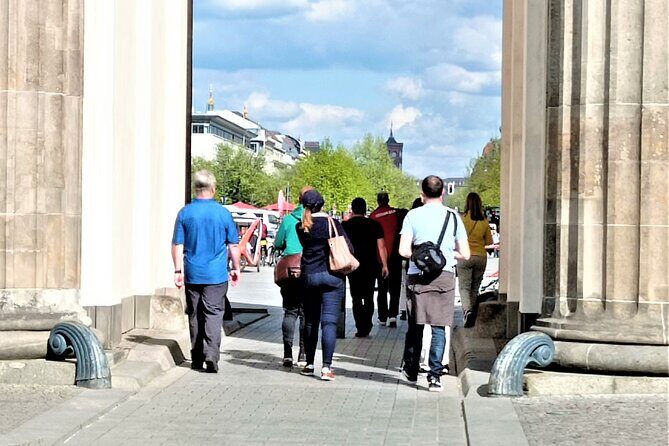
This tour is built for people who want Berlin to make sense quickly. You’ll start with a guide who adjusts the plan to your tour duration, your walking comfort, and what you care about most. The idea is simple: hit the essentials early, then branch into your deeper interests without feeling rushed.
Duration runs from about 2 to 6 hours, and there’s a practical note that walking a lot for the major highlights takes around 6 hours. If you choose a shorter window, you’ll still get a smart selection, not just a shortened version that skips the meaning. And since it’s private, you can ask for more time at one place and less at another without negotiating with strangers.
You’re also not stuck hunting for transit or a meeting point in the middle of the city. Pickup is offered in Berlin Mitte area hotels, and the day ends back where you started. That small bit of “logistics calm” matters when your schedule is tight and your legs are not.
You can also read our reviews of more private tours in Berlin

Bike, rickshaw, or minivan: how to pick the best transport for your day
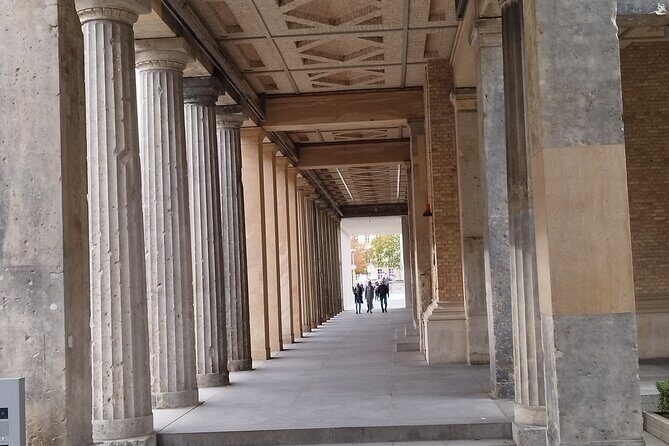
The tour lists options for bike, rickshaw, or minivan. That matters because Berlin distances feel different when you’re moving fast versus stretching out for photos, pauses, and questions.
If you’re on a tighter schedule, a vehicle option can help you cover more ground without turning the walk into a full-day endurance test. If you love the street-level view, walking segments let you take in the route as you go, not just the stops.
One important practical point: private transportation is listed as not included. So if you’re leaning toward a minivan or another vehicle plan, it’s smart to clarify what’s covered for your chosen duration before you go.
Berliner Fernsehturm to Museum Island: the UNESCO museum stretch in one guided flow
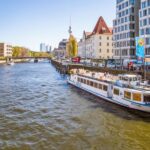
You start at Berliner Fernsehturm. From there, your guide takes you past landmarks like the Red Town Hall, Marien Church, and Neptune’s Fountain, then you reach Museum Island. If you want a “best of central Berlin” opener, this sequence is a strong start because it mixes skyline views with the classic historic boulevard feel.
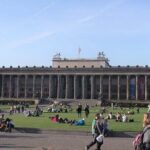
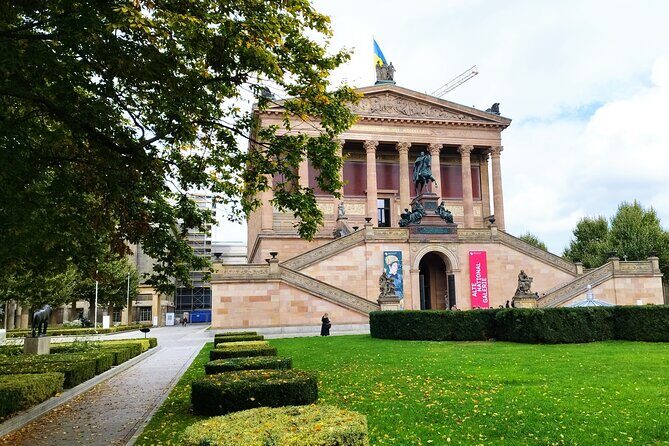
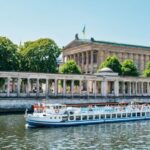
Museum Island is described as a UNESCO World Heritage Site, and it’s also presented as the core of Berlin’s historic former Royal Quarter. The route through Unter den Linden-style scenery makes the island feel like part of the city, not a detached museum box.
For context, Museum Island is explained as originally being in the Spree river, later connected to both river banks with soil and rubble. You also learn about bridges that were built, destroyed, then rebuilt again, and even a name origin tied to a former toll house called Töpfer-Tor. These details make the place feel anchored in real time and conflict, not just postcard architecture.
Practical note: the Fernsehturm stop lists admission as not included. Museum Island itself is shown as free for this stop window, so you should expect a guided introduction rather than a paid museum ticket included in the price.
Bebelplatz book burning memorial and Gendarmenmarkt square photos
After Museum Island, you hit Bebelplatz for the Book Burning Memorial. The square is tied to the Nazi book burnings of 1933, and the memorial is centered in a place often called the Nazi Book Burning Square. This is one of those stops where the guide’s framing helps you read the site without needing a history textbook in your pocket.
You then move to Gendarmenmarkt, a square with the former Royal Concert Hall, flanked by the German Dom on one side and the French Dom on the other. The tour gives you the reason it’s famous: it’s described as one of the most beautiful squares in Europe. Even if you don’t care about architecture labels, the symmetry and the setting make it a great place to slow down and take photos that actually look like Berlin.
Time here is short—about 10 minutes—so treat it as a focused moment: enough to see the buildings, capture the square, and absorb why it’s iconic.
Checkpoint Charlie to Topography of Terror: border history with real locations
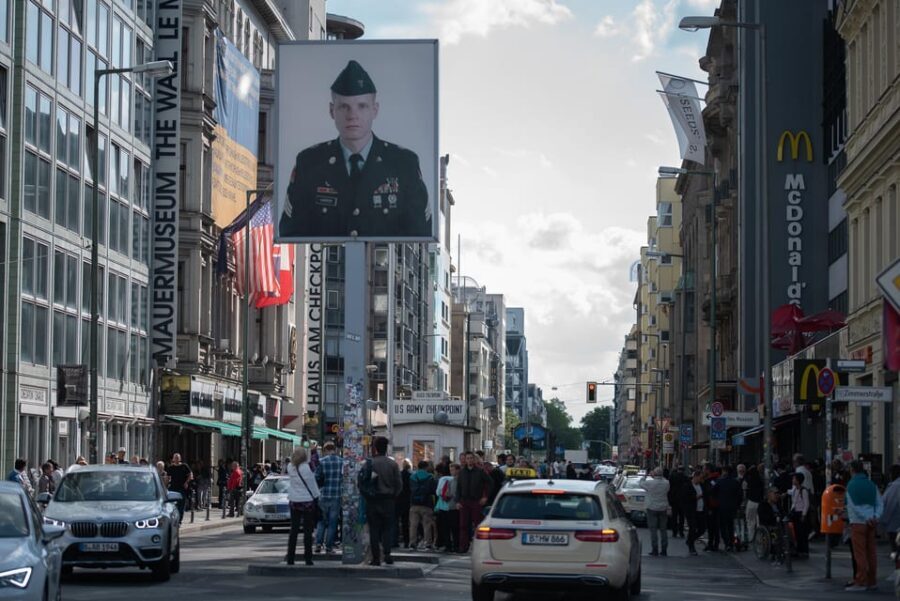
Next comes Checkpoint Charlie, one of the most famous Berlin Wall border crossings. The stop is framed not just as a landmark, but as a flashpoint that almost ended up as the starting point of a third world war. That’s heavy context for a place where people sometimes just take selfies, so the guide’s direction helps you keep it grounded.
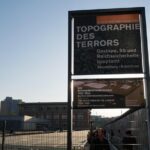
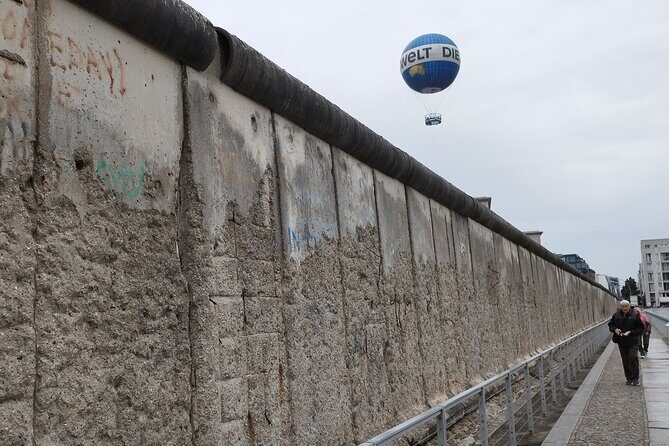
You follow with Topography of Terror along the former border strip. Here you can see original Wall parts and the site of the documentation center connected to National Socialism. The tour also ties the location to the headquarters of the SS and Gestapo, which adds clarity about why this part of Berlin is remembered so carefully.
The Topography of Terror stop is shorter—about 5 minutes—so you may want to ask questions quickly and focus on what matters most to you. If you’re sensitive to dark history, this is still a respectful route, but it can feel intense because the places are direct and specific.

Holocaust Memorial and the walk to Brandenburg Gate and the government district
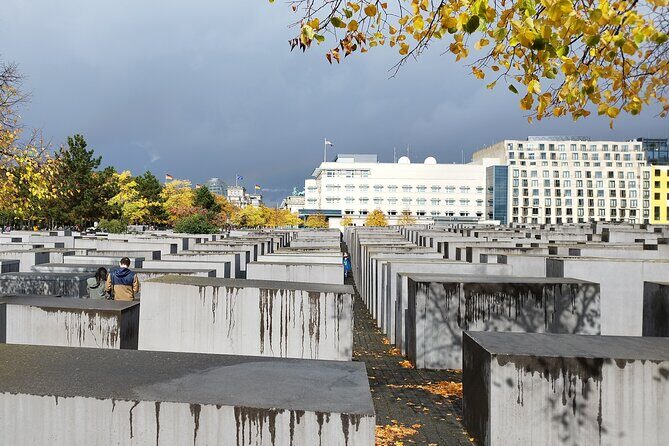
You then reach the Holocaust Memorial, also called the Memorial to the Murdered Jews of Europe. It opened in 2005 and commemorates the murder of more than 6 million Jews during National Socialism. This stop is listed as about 10 minutes, but the memorial itself is designed to be experienced slowly, so it’s worth using your guide’s explanation to understand what you’re looking at.
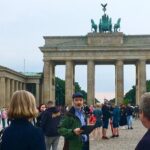
After that, you move to the Brandenburg Gate. The tour frames it as the transition from the former Eastern part of Berlin toward the current government district area. On the way, you leave toward the Memorial to the Murdered Sinti and Roma and the area described as the Reichstag/Bundestag and Chancellery.
This section is where the tour starts connecting the dots between symbolism and governance. It’s not just about seeing a famous gate; it’s about understanding why Berlin’s landmarks became political and memorial spaces at the same time.
Reichstag Building: Parliament, war damage, and the restored dome
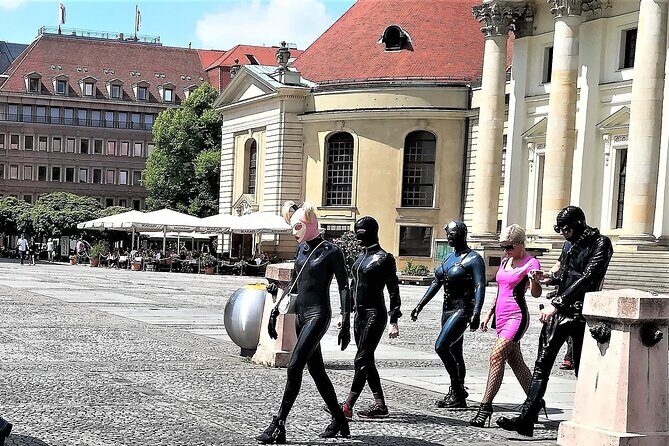
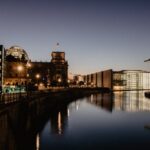
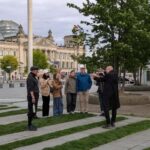
The final major stop is the Reichstag Building. The plan explains that it was the first German parliament building to house both houses of Parliament, including the Bundestag and Bundesrat. It also notes the Reichstag’s build timeline: built in 1894 by Paul Wallot and opened in 1897.
You also learn that the Bundesrat consists of members from Germany’s 16 states, meeting to discuss legislation affecting state interests. That kind of detail turns a landmark into something you can picture as a living institution, not just a stone shell.
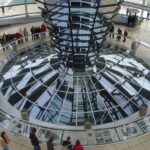
The dome at the top is another focus. The tour says it has been restored several times since original construction, and that the building suffered damage during World War II when hit by bombs dropped by British and American planes. Finally, the guide ties it to modern Germany: in 1998, Parliament moved from Bonn to Berlin, and the dome became one of the most prominent modern symbols.
If you like photo opportunities tied to meaning, this is the stop. You’ll also get that classic “Berlin skyline meets political history” feeling without needing a separate tour just to understand the building’s role.
Price and value: is $175.07 per person worth it?
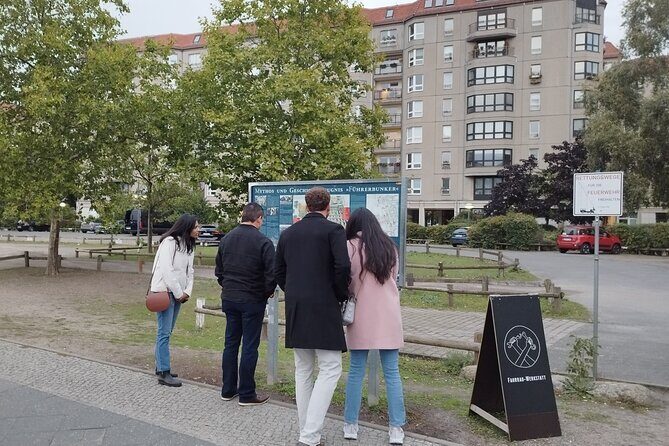
At $175.07 per person, this tour sits in the private-guide range. The value comes from three places.
First, you’re paying for a licensed guide and a route that adapts to your time and interests instead of forcing the same pace on everyone. Second, you get multiple landmark photo stops plus a sequence of high-impact memorial and Wall-related sites that are difficult to thread together on your own without missing context. Third, you’re not just buying information—you’re buying convenience with pickup offered in the Berlin Mitte area and a route that ends back at your start.
The main “value variable” is admissions. Berliner Fernsehturm has admission not included, while the other listed stops are marked as free. So your final spend depends on whether you want to go up the tower, and how long you keep your guide at each stop.
Also keep in mind: the plan says private transportation is not included. That doesn’t mean you can’t travel by rickshaw or minivan. It means you should confirm what’s included when you pick your transport option, especially if you’re booking a shorter tour and want faster movement.
The guide makes a difference: what Levent’s reviews signal
One name comes up in praise: Levent. He’s described as both excellent and accommodating, which matters for this kind of route. This itinerary covers both major landmarks and emotionally heavy memorial stops, so you want a guide who can adjust pacing, answer questions, and keep the day moving without steamrolling your interests.
If you like a tour where the guide feels responsive, this is a strong sign. Private tours live or die on that fit between guide style and your energy level.
Who should book this private Berlin walk
This tour is a good match if you want a clean, logical route through Berlin’s biggest symbols and its most difficult history. It also fits you if you’d rather pay for direction than spend your first day figuring out where things connect.
It’s especially useful for:
- First-time Berlin visitors who want orientation fast
- People who prefer a guided sequence instead of hop-on hop-off wandering
- Travelers who want flexible pacing and can benefit from pickup and a private group
It might be less ideal if you’re only interested in one or two attractions and don’t want to pay for a full arc of stops. It could also feel heavy if you’re not up for memorial content, since the route includes several remembrance sites.
Should you book Private Walk with Berlin Tour Guides?
I’d book it if you want a private, customizable introduction to Berlin that pairs the big-name sights with the context you actually need. The combination of Reichstag/Brandenburg Gate plus Bebelplatz, Checkpoint Charlie, Topography of Terror, and the Holocaust Memorial is a clear “one-day story” approach.
Book it with one clear decision in mind: whether you want the Berliner Fernsehturm visit since its admission is not included. If you’re happy to plan that ticket separately and you like the idea of a guide-led route with pickup, this is a solid way to make your time in Berlin feel focused instead of scattered.
FAQ
Is the tour private?
Yes. This is a private tour/activity, so only your group will participate.
How long is the experience?
It runs for approximately 2 to 6 hours, depending on your selected duration and how much you want to cover.
Is English available?
Yes, the tour is offered in English.
Are museum or attraction tickets included?
Berliner Fernsehturm is listed as admission ticket not included. The other listed stops in the plan are marked as admission ticket free.
Is pickup available in Berlin?
Pickup is offered. The pickup details note that you can pick sights depending on your tour duration, tempo, and interests.
How does the tour end?
The activity ends back at the meeting point.