REVIEW · BERLIN
Queer Berlin Tour: Birthplace of LGBTQ+ Movements
Book on GetYourGuide →Operated by insightcities.com · Bookable on GetYourGuide
Berlin rewrites queer history on your feet. This 3-hour walk through Berlin’s LGBTQ+ roots turns big names and big crimes into street-level stories, from the gay ghetto of Schöneberg to the Institute for Sexual Science site tied to Magnus Hirschfeld. I like how the tour blends science, activism, and nightlife into one clear narrative, and I like the small-group feel when it’s led by guides such as Justin or Dan. One drawback: it’s a lot of walking and it covers heavy material, including persecution under the Nazis and suffering behind the Iron Curtain.
You’ll pay $153 per person for an expert-led, guided route packed with major landmarks and human stories—so it makes the most sense if you want context while you’re moving around the city, not just checking off sites.
In This Review
- Key Things You’ll Notice on This Walk
- A Three-Hour Walk Through Berlin’s Queer Origins
- Nollendorfplatz and the Memorial to Nazi Persecution
- Schöneberg: From Early Queer Neighborhood to the World’s First Gay Ghetto
- Real de Catorce and Schöneberg’s Street-Level Storytelling
- Tiergarten’s Gay Emancipation Monument: Activism You Can See
- Magnus Hirschfeld and the Institute for Sexual Science Site
- Former El Dorado Cabaret: Dietrich, Ernst Röhm, and the Danger of Fame
- Rent-Boy Dive, Gay-Run Nightlife, and the Power of Places
- Chez Romy Haag and David Bowie’s Berlin Connection
- Unter den Linden to Alexanderplatz: From Disguise to Cold War Punishment
- Guides Matter: Justin and Dan’s Storytelling Style
- Price and What $153 Buys in Value
- Practical Tips So You Enjoy It More
- Should You Book the Queer Berlin Tour?
- FAQ
- How long is the tour?
- Where does the tour start?
- What language is the guide?
- What does the tour include?
- What areas and sites are covered?
- Is the metro fare included?
- Are there different group sizes or private options?
- Where do you get dropped off?
- What if I need accessibility support?
- Can I cancel and get a refund?
Key Things You’ll Notice on This Walk
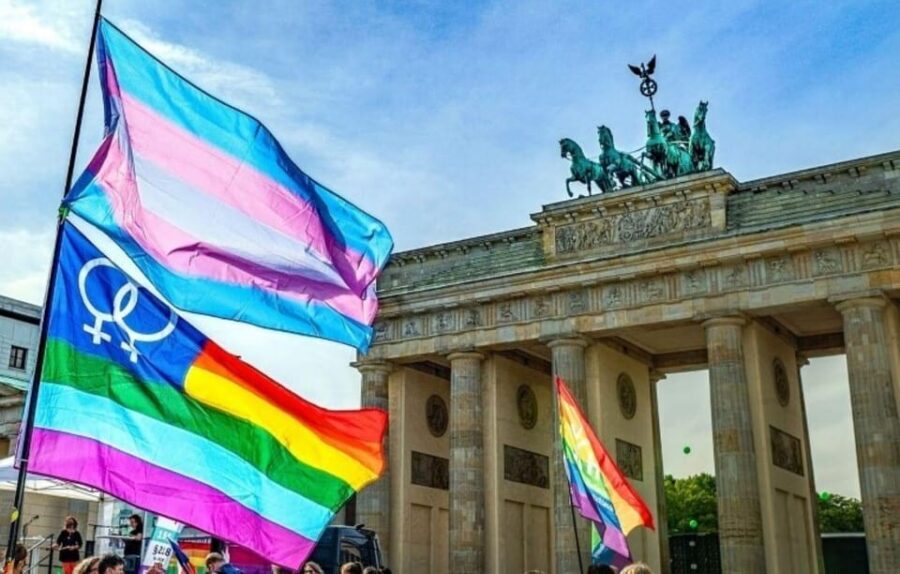
- Schöneberg as Berlin’s early queer neighborhood, with stories that connect bars, identity, and survival
- Magnus Hirschfeld’s impact at the Institute for Sexual Science, including his role in coining terms and pushing visibility
- The Gay Emancipation Movement memorial in Tiergarten and what it signals about activism over time
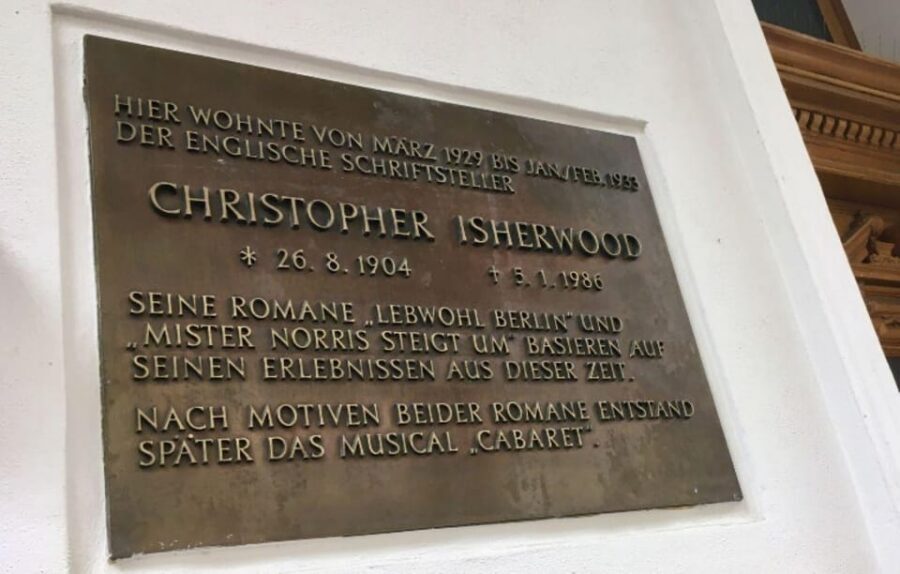
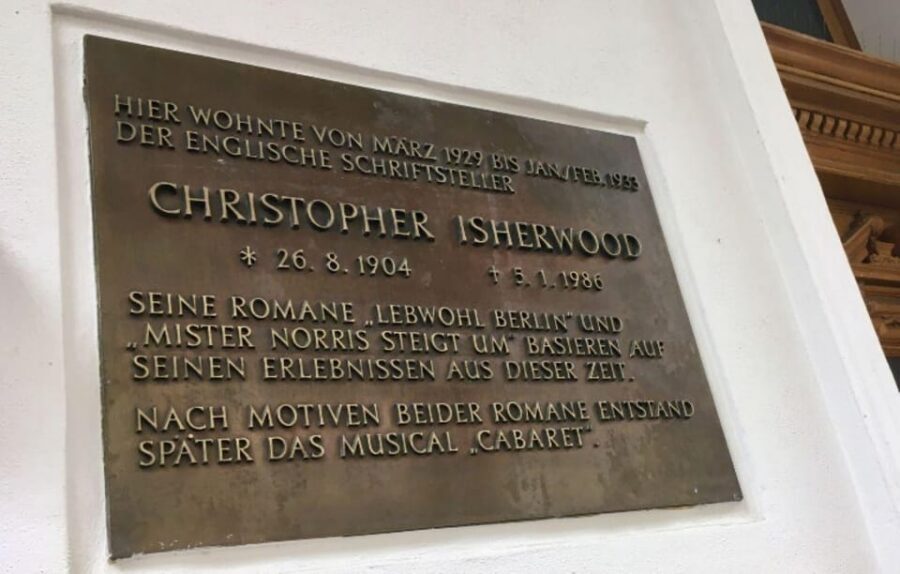
- Weimar nightlife connections, including Christopher Isherwood’s Berlin and the later Cabaret link
- Living queer threads, including stops tied to later nightlife and a gay-run venue still in the mix
A Three-Hour Walk Through Berlin’s Queer Origins
This tour is built like a guided timeline you can actually feel under your shoes. You start in west Berlin’s queer orbit, then move through sites tied to Weimar-era freedom, Nazi-era violence, and postwar reinvention—ending in the East Berlin heart that carried the Cold War’s rules and punishments.
If you like your history with names attached, you’ll appreciate how many real people are stitched into the route: Magnus Hirschfeld, Christopher Isherwood, Marlene Dietrich, Ernst Röhm, David Bowie, and Romy Haag. That matters because it stops the story from becoming a distant museum display.
The pace is intentionally narrative. You’ll be on the move for most of the 3 hours, and the guide keeps you oriented with clear, stop-by-stop explanations. Bring comfortable walking shoes, and plan to stay mentally present—some segments focus on persecution and genocide.
You can also read our reviews of more tours and experiences in Berlin
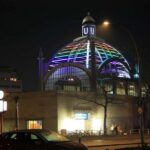

Nollendorfplatz and the Memorial to Nazi Persecution
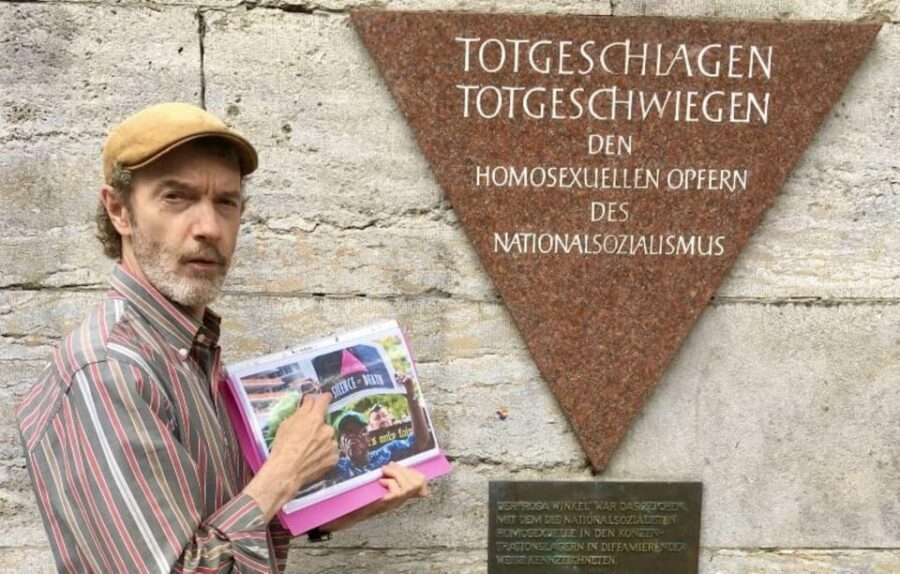
The tour begins around Nollendorfplatz, a name that shows up again and again in Berlin’s LGBTQ+ story. From there, you head to the Memorial to the Homosexuals Persecuted Under Nazism, where the tone shifts from “storytime” into something heavier and more direct.
This stop is valuable because it sets the rules of the whole tour: Berlin’s queer history is not just about parties and art. It includes systematic persecution, and that context helps everything you see later land with more meaning. Even if you already know the basics, you’ll likely find yourself connecting the later chapters—institutes closed, libraries destroyed, lives crushed—to what you read on the memorial.
If you’re visiting with someone who struggles with dark topics, check in with each other early. The tour doesn’t avoid the hard parts, and it’s better when you’re both prepared for that emotional turn.
Schöneberg: From Early Queer Neighborhood to the World’s First Gay Ghetto
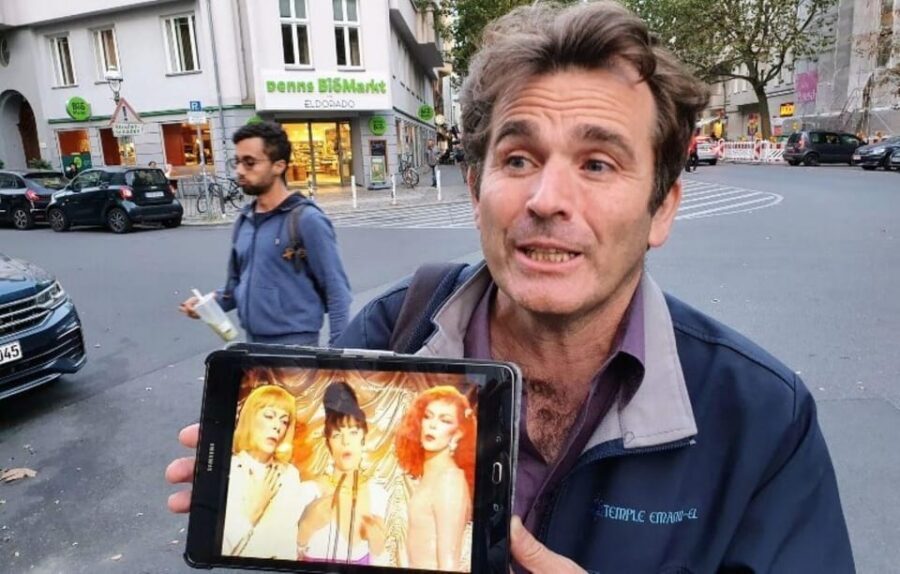
Schöneberg is the heart of the route, and not just as a sightseeing district. It’s presented as the world’s first gay ghetto, a neighborhood where queer social life grew into something visible—bars, gathering places, and community rhythms in a city that was changing fast.
You’ll hear how Schöneberg became a magnet during the early 20th century and how queer spaces worked within the realities of the time. The tour points out that this wasn’t a single “gay area” that existed in isolation. It was the result of people carving out safety and culture—often in public places that could still be targeted when power shifted.
You also get a cultural bridge here through Christopher Isherwood. The tour stops at his former flat, then links his Weimar-era experiences to the later stage and screen afterlife that many people know as Cabaret. I like this approach because it shows how queer-coded real life fed mainstream storytelling, even when the mainstream wasn’t fully honest about where the inspiration came from.
Real de Catorce and Schöneberg’s Street-Level Storytelling
You’ll also make a stop at Real de Catorce. The important point isn’t the venue as a standalone attraction—it’s that the guide uses specific neighborhood anchors to keep the history grounded. Berlin’s LGBTQ+ story is spread across blocks, not concentrated in one building. Stops like this help you understand how the city’s geography shaped who met where, and why.
I find these “named stop” moments useful when I’m trying to orient myself in a new city. They turn “that building over there” into something you can remember later when you’re wandering on your own.
Tiergarten’s Gay Emancipation Monument: Activism You Can See

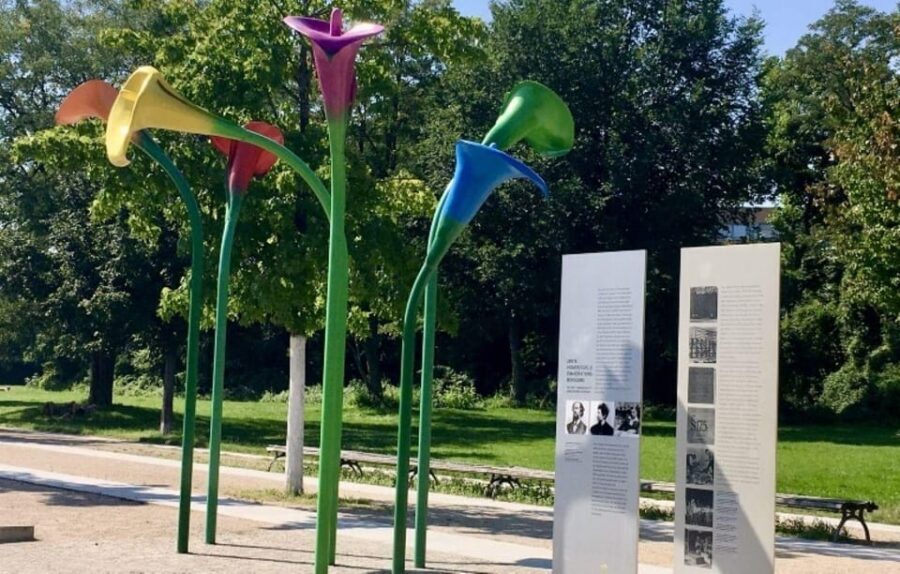
A major highlight is the colorful monument to the Gay Emancipation Movement in the Tiergarten area. This is one of those stops where the art style matters because it signals something about attitude: activism didn’t always travel in silence or secrecy. It showed up, visibly, and demanded recognition.
From this area, the tour leads into the Institute for Sexual Science site tied to Magnus Hirschfeld. That connection is crucial. The monument keeps the focus on movement-building, while Hirschfeld’s story explains what movement-building looked like when it involved science, public argument, and written work.
You come away with a better sense of how advocacy in Berlin wasn’t one long straight line. It shifted between education, culture, and political action—depending on the decade, the threats, and the available allies.



Magnus Hirschfeld and the Institute for Sexual Science Site
Hirschfeld is one of the tour’s biggest anchors, and you’ll spend real time understanding why. The tour highlights that the Institute for Sexual Science was founded on this spot and that Hirschfeld coined the term transsexualism, while also helping pioneer the gay rights movement.
You’ll also learn about his film work: Hirschfeld co-authored a pro-gay film in 1919 titled Anders als die Andern (Different from the Others). That’s a striking detail because it shows early visibility efforts were not just speeches and pamphlets—they were cinematic.
Then the tour turns to the brutality of suppression. Nazis closed the Institute in 1933 and burned its library. When you hear that specific detail in the physical area connected to the Institute, it stops being abstract. It becomes a story about lost archives, erased records, and a deliberate attempt to shut down the evidence.
Former El Dorado Cabaret: Dietrich, Ernst Röhm, and the Danger of Fame
From Hirschfeld’s world of visibility and science, the tour shifts toward nightlife and the people who turned Berlin into a magnet. You’ll see the former El Dorado Cabaret, where Marlene Dietrich performed.
The tour also brings in a darker thread: regulars tied to power, including Ernst Röhm, described here as the openly gay head of the Sturmabteilung (the Nazi Brown Shirts). That detail complicates the “easy villain” story. It forces you to see how sexuality and politics didn’t simply follow one moral rulebook—people got punished anyway, even when they rose near the top.
Röhm was later executed in 1934 during the “moral purge,” known as the Night of the Long Knives (Nacht der langen Messer). Standing in the orbit of places like the El Dorado, it’s easier to grasp the warning: visibility and celebrity do not protect you when ideology and power decide they want someone gone.
Rent-Boy Dive, Gay-Run Nightlife, and the Power of Places
One of the tour’s more practical, on-the-ground angles comes from stops connected to later nightlife, including a rent-boy dive described as still gay-run to this day. You don’t have to be looking for nightlife to enjoy this part. It’s really about continuity—how queer spaces can survive and adapt, even after decades of political violence.
This is also where the tour earns points for being balanced. It doesn’t treat everything as a lost relic. It treats some of the present as part of the same story, just under different names and different levels of risk.
Chez Romy Haag and David Bowie’s Berlin Connection
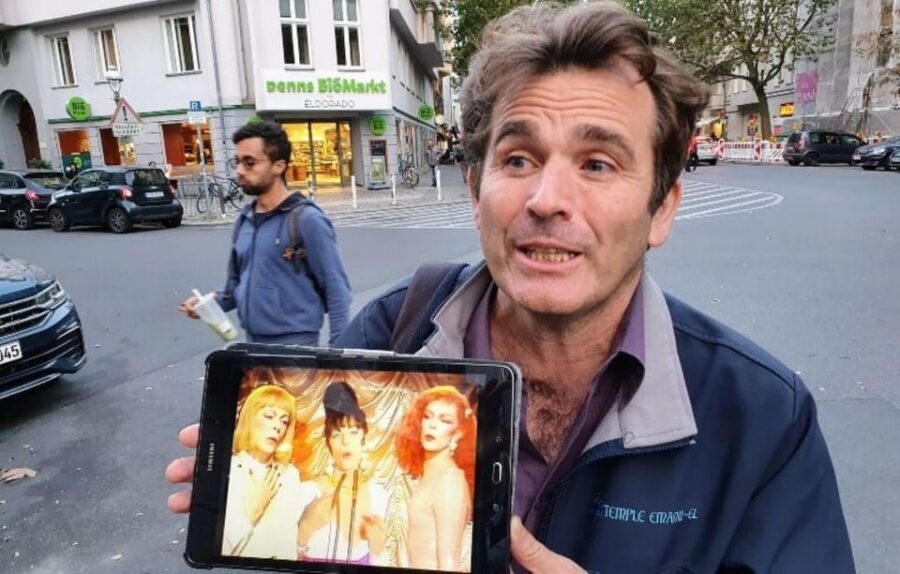
If you want a pop-culture anchor that doesn’t feel shallow, this is it. The tour makes a point of paying homage to Chez Romy Haag, the iconic 1970s nightclub where Romy Haag—a transgender actress, singer, and dancer—met David Bowie. The tour explains that their tragic relationship helped inspire Bowie’s iconic song Heroes.
What I like here is that it connects queer Berlin to a global music moment without stripping it of its local human cost. You’re not just getting a trivia fact. You’re getting the idea that Berlin’s queer nightlife wasn’t only artistic—it was also personal, complicated, and sometimes heartbreaking.
Even if Bowie isn’t your main reason for traveling, this stop is a powerful reminder: the city’s queer scenes have fed mainstream culture for generations, and the people at the edges of the story shaped it.
Unter den Linden to Alexanderplatz: From Disguise to Cold War Punishment
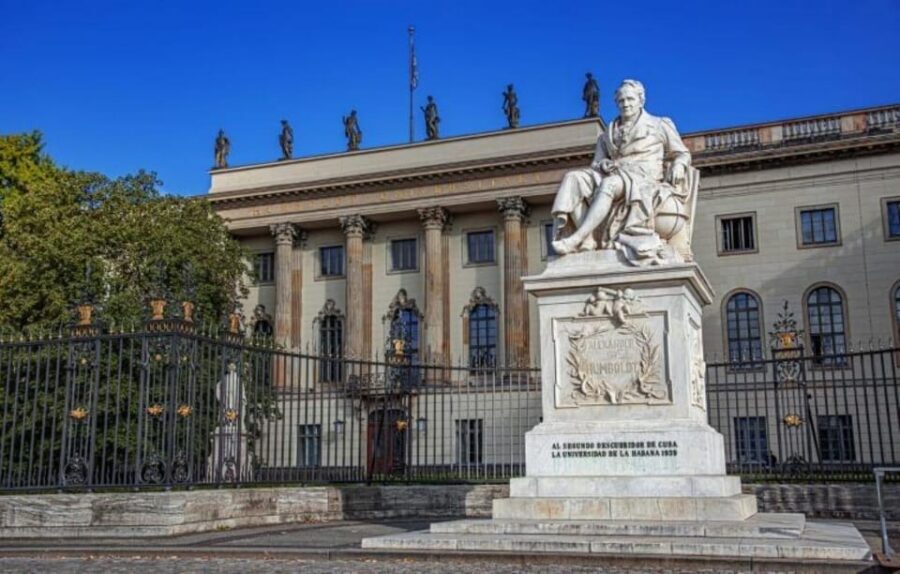
The route then moves into the wider city, and this is where the tour tries to stretch your sense of time. On Unter den Linden, you’ll hear about early gay Berliners such as Frederick the Great and explorer Alexander von Humboldt, including explanations of how sexuality could be hidden or disguised.
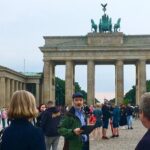
Then the tour ends at Alexanderplatz, described as the heart of Cold War East Berlin. This final stretch matters because it brings you from the “public story” of earlier decades into the controlled world of the Iron Curtain. The tour frames the end point around the suffering endured by gays and lesbians under that system.
I like how the tour doesn’t pretend there was one “Berlin queer story.” It shows how governments, borders, and political systems shaped what queerness could look like from one era to the next.
Guides Matter: Justin and Dan’s Storytelling Style
Two guide names show up in English-speaking experiences: Justin and Dan. Justin is highlighted for being born and raised in the US, and for referencing familiar history to make comparisons that help you place Berlin’s choices in a bigger context. Dan is described as having arrived in Berlin before the Wall came down and for using story-specific soundtrack touches to keep scenes vivid.
Either way, the guide job here is not just facts. It’s tone control—balancing art and joy with persecution and loss. Small-group formats help because the conversation is less rushed and you can ask questions when a detail hits you.
If you’re the type who likes getting your bearings fast, you’ll probably appreciate the way the guide keeps the route coherent. It’s easy to wander Berlin’s streets without context; this walk gives you the thread.
Price and What $153 Buys in Value
At $153 per person for a 3-hour guided walking tour, you’re paying for a trained storyteller plus multiple stops tied to major historical moments. You’re not just paying for one monument or one museum. You’re paying for someone to connect Hirschfeld’s science, the Nazis’ destruction, Weimar-era culture, and postwar queer life into a single walking narrative.
Is it worth it? It tends to be, if you:
- want context for Schöneberg beyond a general neighborhood vibe
- enjoy history that includes culture—cabaret, film, nightlife—not just dates
- prefer a guided route over stitching it together from books and plaques
Skip it if you only want lightweight sightseeing, or if long walking segments through emotionally heavy topics don’t match your travel style. This tour is built to teach and to remember, not to keep everything light.
Practical Tips So You Enjoy It More
A few things that help you get the most out of the walk:
- Wear comfortable shoes. You’ll be on foot for the full 3 hours.
- If mobility is a concern, contact the operator before booking. This tour is described as a walking tour with guidance available if you raise issues ahead of time.
- Bring water, especially in warmer months, since the tour is mostly outdoors.
- Metro fare is not included, so plan for local transit costs if you’re meeting near your route start.
Also, your starting point can depend on the selected option, and the tour includes two drop-off locations, including Impala Coffeeshop. That’s handy if you want a nearby place to regroup.
Should You Book the Queer Berlin Tour?
Book this tour if you want a guided way to understand why Berlin became a global LGBTQ+ reference point—and how that status came through both activism and punishment. It’s especially good for people who like stories tied to real streets: Hirschfeld’s lost institute work, Cabaret’s literary roots, and the later nightlife connections that reached worldwide pop culture.
Skip it if you’re not up for walking for 3 hours or if you prefer a lighter, purely celebratory approach. This walk covers persecution and suffering, including the Nazi crackdown and the Cold War cost.
If you’re on the fence, I’d think of it this way: you’re buying a map through complicated history, not a photo-op tour. For a city like Berlin, that’s usually the better bargain.
FAQ
How long is the tour?
It’s a 3-hour walking tour.
Where does the tour start?
The starting/pickup location depends on the selected option.
What language is the guide?
The tour is offered with live guides in German and English.
What does the tour include?
It includes a 3-hour guided walking tour with stops at key LGBTQ+ historical sites, plus stories about queer pioneers, scientists, activists, and artists.
What areas and sites are covered?
The tour focuses on places including Schöneberg, the Tiergarten Gay Emancipation monument, the Institute for Sexual Science site connected to Magnus Hirschfeld, Christopher Isherwood’s former flat, and the former El Dorado Cabaret area, with additional stops connected to later queer nightlife and postwar Schöneberg.
Is the metro fare included?
No. Metro fare is not included.
Are there different group sizes or private options?
Yes. The tour offers private or small groups.
Where do you get dropped off?
There are two drop-off locations, including Berlin, Impala Coffeeshop.
What if I need accessibility support?
Because it’s a walking tour, you should contact the operator if you have mobility issues or concerns.
Can I cancel and get a refund?
Yes. The tour offers free cancellation up to 24 hours in advance for a full refund.