REVIEW · BERLIN
Berlin: Alternative & Street Art Tour
Book on GetYourGuide →Operated by Alternative Berlin Tours · Bookable on GetYourGuide
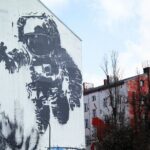
Street art in Berlin is more than decoration. It’s a running debate, drawn in paint, music, and movement. This tour is a smart way to see the alternative side fast, while a local guide helps you connect the dots across graffiti, music, and politics.
I especially like how you get specific stops tied to real subcultures, not random murals. You’ll also get big photo opportunities because the route is built around recognizable places like Haus Schwarzenberg, YAAM beach, and RAW Gelände. One thing to consider: it’s rain or shine, so wear shoes that can handle wet pavement and keep a jacket handy.
In This Review
- Key things to know before you go
- Under the TV Tower: The Tour’s Mission in Plain Language
- Friedrichshain and Mitte: Street Art Basics and Why Berlin Lets It Happen
- Haus Schwarzenberg: Street Art Meets a City You Can Feel
- Künstlerhaus Bethanien: Art, Community, and the Work Behind the Look
- Treehouse on the Wall: When Berlin Goes Playful
- YAAM Beach: Techno Energy Meets Summer-Style Escape
- SO36: Music Culture as a Map Through the City
- RAW Gelände: Squatting Culture, Revolution, and Gentrification
- How the Route Shifts: Kreuzberg’s Changing Focus
- Price and Timing: Is $23 for 3 Hours a Good Value?
- What Kind of Traveler This Tour Fits Best
- Photo Opportunities Without Forcing It
- Your Guide: Names You’ll Hear and the Style That Works
- Should You Book This Alternative & Street Art Tour?
- FAQ
- Where do we meet for the tour?
- How long is the Berlin Alternative & Street Art Tour?
- Is the tour available in English?
- What stops are included on the route?
- Is it suitable for kids and older travelers?
- What’s included in the price?
Key things to know before you go
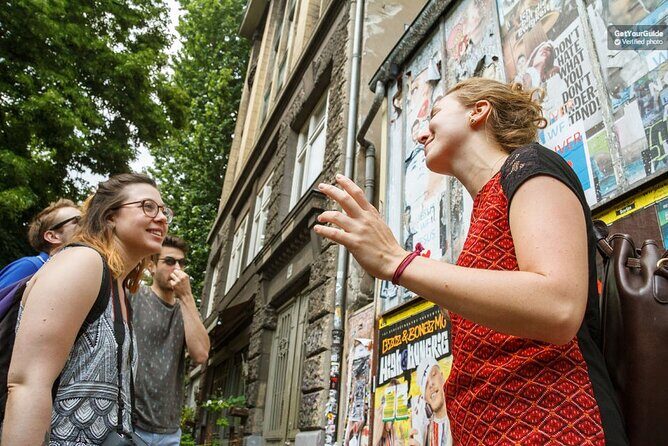
- A 3-hour route that hits street art, venues, and subculture neighborhoods without wasting time
- Real names and real places: Haus Schwarzenberg, Künstlerhaus Bethanien, SO36, RAW Gelände
- Music + politics in the same walk, from punk rock to techno and squatting culture
- Friedrichshain/Mitte to Kreuzberg focus, so you see multiple sides of the scene
- Wheelchair accessible, and suited for all ages, with an English-speaking guide
Under the TV Tower: The Tour’s Mission in Plain Language
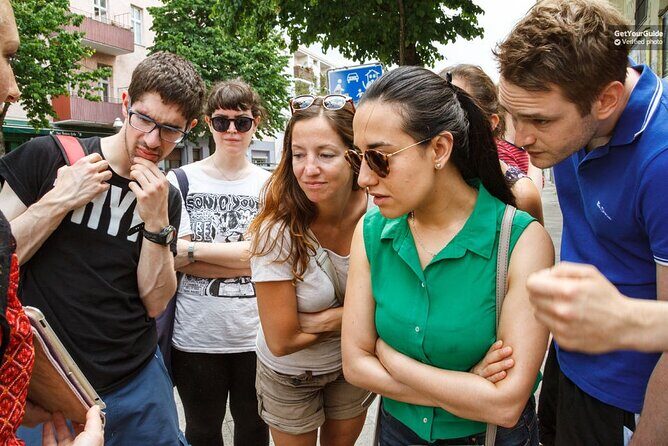
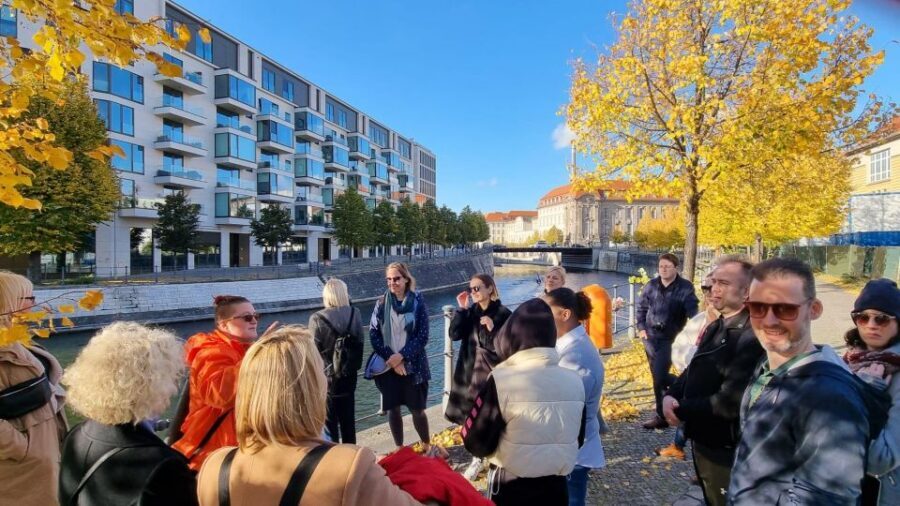
You start right underneath Berlin’s TV tower, in front of Vapiano. That’s convenient because it’s easy to find and gives you a clear anchor before you disappear into side streets.
The main goal is simple: help you understand why Berlin attracts artists and misfits, and why the city keeps making space for new ideas. You’re not just looking at walls. You’re learning the human stories behind the art.
And yes, it’s a walking tour, so you’ll want comfortable shoes. Berlin sidewalks can be a mix of smooth stretches and rough patchwork, especially once you leave the most central streets.
You can also read our reviews of more tours and experiences in Berlin

Friedrichshain and Mitte: Street Art Basics and Why Berlin Lets It Happen
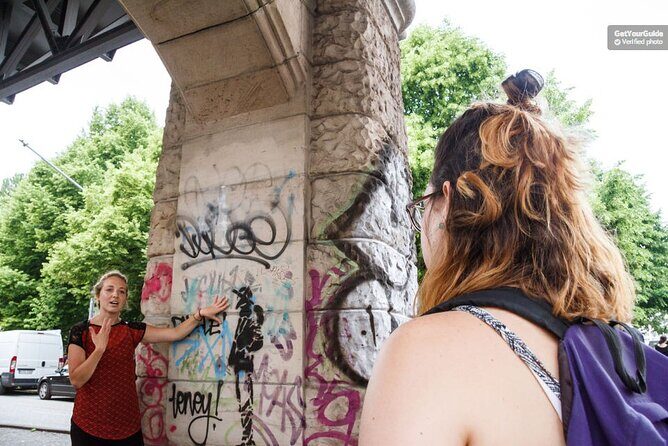
The tour begins with an introduction to Street Art & Graffiti in Friedrichshain and Mitte. This is a good start if you’re not a graffiti expert, because you get enough context to make what you see feel intentional.
You can expect the guide to connect the visual styles to what’s happening in the city. That includes how Berlin’s alternative communities use public space for identity, protest, and community. You’ll also get a sense of why so many artists choose Berlin instead of just passing through.
If you care about more than pretty murals, this part matters. You’ll learn the “why” before you hit the flashier walls later in the walk.
Haus Schwarzenberg: Street Art Meets a City You Can Feel
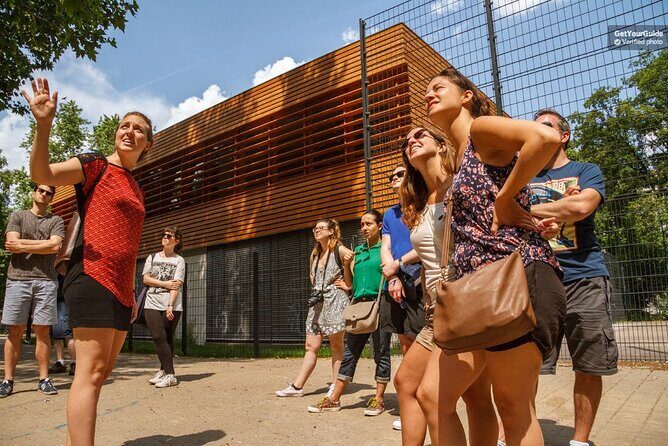
One of the standout stops is Haus Schwarzenberg. This is the kind of place where Berlin’s alternative energy isn’t hidden in a museum. It’s there on the walls and in the mood of the area around it.
You’ll get to admire urban artwork that looks current and lived-in, not staged. The tour uses stops like this to show you how street art can become part of a neighborhood identity over time.
There’s also a practical benefit: this is one of those locations where you can take photos from a few angles. If you want pictures that look like Berlin, not like a tourist backdrop, this stop is built for that.
Künstlerhaus Bethanien: Art, Community, and the Work Behind the Look
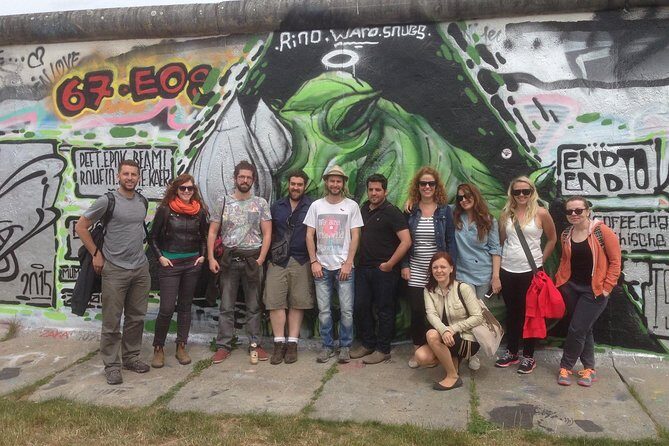
Next up is Künstlerhaus Bethanien. This is a strong contrast to street-only walls because it points you toward the institutional side of Berlin’s alternative art world.
You’ll get a better feel for how city culture isn’t just spontaneous tagging. It’s also organized creativity—people building platforms, spaces, and opportunities for artists to keep working.
I like this stop because it helps you avoid the common mistake of treating street art as only vandalism or only decoration. Even if you disagree with everything you see, you’ll understand the ecosystem behind it.
Treehouse on the Wall: When Berlin Goes Playful
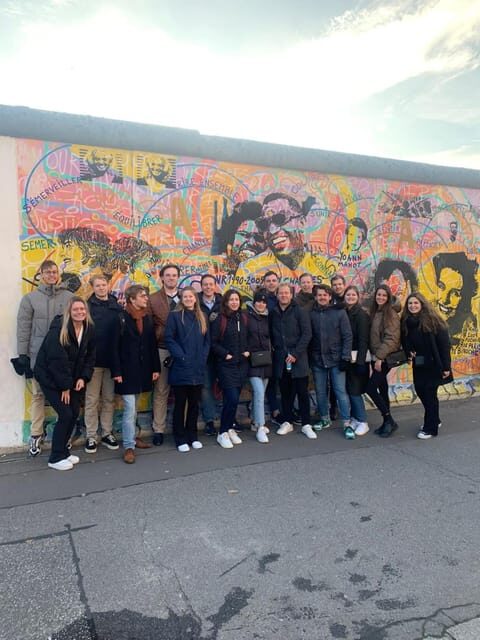
Then you hit the Treehouse on the wall. It’s the kind of sight that makes you pause, because it looks like someone turned a boundary into a community sculpture.
Stops like this are where the tour’s personality shows. Berlin can be serious—yet it also makes room for weird, imaginative structures that feel handmade and slightly rebellious.
For photos, this kind of stop is great. You can frame it with nearby architecture, catch details on textures, and get a shot that feels like a story, not just a flat mural.

YAAM Beach: Techno Energy Meets Summer-Style Escape
The tour includes YAAM beach, and this stop is important for one reason: it shows Berlin isn’t only about grimy streets and politics. It can be surprisingly playful.
YAAM works as a sensory shift—something closer to a laid-back hangout vibe in a city that usually doesn’t do “normal leisure” in a standard way. It also fits the tour’s bigger theme: Berlin’s subcultures overlap. Music, art, nightlife, and social spaces all share the same streets.
If you’re the type who likes to photograph moments that look like a lifestyle, you’ll likely enjoy this part. It’s one of the places that makes the whole tour feel less one-note.
SO36: Music Culture as a Map Through the City
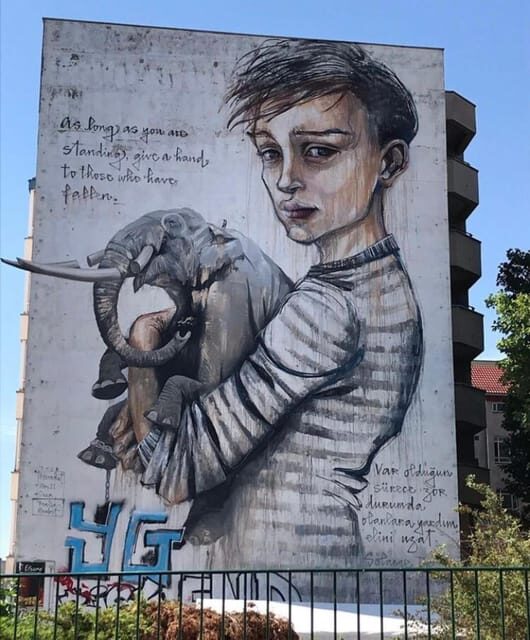
SO36 is on the route too, and it brings the music angle into sharper focus. This is where the tour’s talk of punk rock and techno starts to feel grounded rather than abstract.
Berlin has a reputation for clubs, but the guide helps connect that reputation to place. You’re learning how venues and scenes shape what artists do and what audiences notice.
This stop also gives you a natural photo theme: street art meets nightlife energy. If you’re photographing a “Berlin at night” mood while still walking in daylight, this is the right kind of stop to anchor that vibe.
RAW Gelände: Squatting Culture, Revolution, and Gentrification
Then you move into RAW Gelände, one of the most talked-about types of spaces in Berlin’s alternative scene. This is where the tour’s political history really comes into focus.
The guide explains the history of squatting, revolution, and gentrification—how communities claim space, how the city responds, and what changes when the mainstream gets interested. It’s not presented like a lecture. It’s framed as context for what you’re seeing in real time.
This stop is also a reality check. Street art and alternative culture can be messy, contested, and always changing. Berlin’s story here isn’t about a single moment of rebellion. It’s about the long tug-of-war over who gets to use public space and for what purpose.
How the Route Shifts: Kreuzberg’s Changing Focus
Depending on the guide and personal interest, the tour shifts slightly in emphasis. The pattern is Friedrichshain and Mitte for the street art/graffiti intro, then Kreuzberg for the history of squatting, revolution, and gentrification.
That matters because Berlin’s alternative scene isn’t one uniform style. You’ll see different layers: back streets versus bigger city energy, DIY creativity versus community institutions, and early-stage rebellion versus later-stage city negotiation.
If you like tours that adapt rather than recite the same script every time, this setup is a plus. It also helps explain why two people can take the same tour and remember different stops most strongly.
Price and Timing: Is $23 for 3 Hours a Good Value?
$23 for a 3-hour walking tour is the kind of price point that makes this easy to fit into a day. You’re not paying for transportation or hotel pickup. You’re paying for a local guide and a focused route through places you’d likely miss if you wandered without context.
Because it’s 3 hours, you avoid the “we’re dragging ourselves through a mega-route” problem. You get enough time to take photos, ask questions, and actually absorb the stories, without it turning into a full-day commitment.
The tour runs rain and shine, so you should treat it like a real outdoor outing. I’d plan your day so you have a bit of flexibility, and pack a compact umbrella or light rain jacket. Wet Berlin doesn’t ruin the tour, but it will affect your comfort if you dress like it’s sunny.
What Kind of Traveler This Tour Fits Best
This is a great choice if you want Berlin’s alternative side without hunting for it yourself. You’ll enjoy it more if you like street art beyond the “Instagram mural” level—if you care about subcultures, how scenes form, and why certain neighborhoods get attention.
It also works well for all ages, which is unusual for tours focused on nightlife-adjacent topics. So if you’re traveling with teens or older folks who can walk and don’t mind edgy culture discussions, this could be a solid pick.
English-speaking guides are available, and that’s a big deal here. Half the value is interpreting the symbolism and the local references, and you’ll get that through the guide’s stories.
Photo Opportunities Without Forcing It
You’ll get amazing photo opportunities, but you don’t have to be a pro. The tour stops are arranged so you can photograph both the art and the setting around it.
A practical approach:
- Take a few wide shots first, so you capture context.
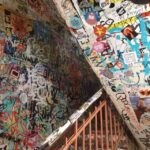
- Then get closer for texture shots—paint layers, pasted paper, and wall details.
- If you’re photographing people in the scene, keep it respectful and quick.
Also, Berlin walls can look different under different light. If the weather changes during the tour, don’t panic. Walk slower, notice the small details, and let the changing light do the work.
Your Guide: Names You’ll Hear and the Style That Works
The experience depends on the guide, and the strongest feedback ties to guides who bring energy and strong scene understanding. Damien is praised as enthusiastic and sharp on the alternative side of Berlin. Antonio Castello also stands out for making the tour work really well for the group.
That matters because street art isn’t just visual. It’s culture, argument, community, and craft. When the guide can translate those pieces into clear street-level storytelling, the tour clicks.
So if you’re the type who asks questions, you’ll probably enjoy the back-and-forth. If you’re more quiet, that’s fine too—the route and stops do most of the heavy lifting.
Should You Book This Alternative & Street Art Tour?
I’d book this tour if you want a fast, well-focused way to understand Berlin’s alternative culture. At $23 for about three hours, it’s one of those experiences that gives more context than most standard “see the sights” walks.
I’d skip it or plan differently if you hate walking in rain or you want only famous landmarks. This is purposely street-focused, with a heavy emphasis on subcultures, venues, and the politics around urban space.
If you’re staying in Berlin for a few days, this is also a good “early tour.” It can help you interpret what you see afterward—so your own exploring gets smarter.
FAQ
Where do we meet for the tour?
You meet underneath the TV tower, in front of the Vapiano restaurant. The tour ends back at the same meeting point.
How long is the Berlin Alternative & Street Art Tour?
It lasts about 3 hours. Starting times vary, so you’ll need to check availability for the exact departure time.
Is the tour available in English?
Yes, the tour includes an English-speaking guide.
What stops are included on the route?
The tour includes stops such as Haus Schwarzenberg, YAAM beach, Künstlerhaus Bethanien, the Treehouse on the wall, SO36, and RAW Gelände.
Is it suitable for kids and older travelers?
Yes. It’s suited for all ages, and it’s described as wheelchair accessible.
What’s included in the price?
You get an English-speaking tour guide. Food and drinks, gratuities, pickup/drop-off, and a transportation ticket are not included.