REVIEW · BERLIN
Where It All Began: Berlin’s Queer & Trans History Tour
Book on GetYourGuide →Operated by BerlinGuide.de · Bookable on GetYourGuide
Berlin’s queer past is closer than you think. This 3-hour walk through Queer & Trans History packs in 150+ years of LGBTQIA+ resistance, identity, and nightlife using 200+ archival photos and audio. I like how the stories feel personal because the guide keeps it interactive and the group is capped at 10. One heads-up: you cover heavy material, including Nazism, HIV/AIDS, and persecution, so this is not a light afternoon stroll.
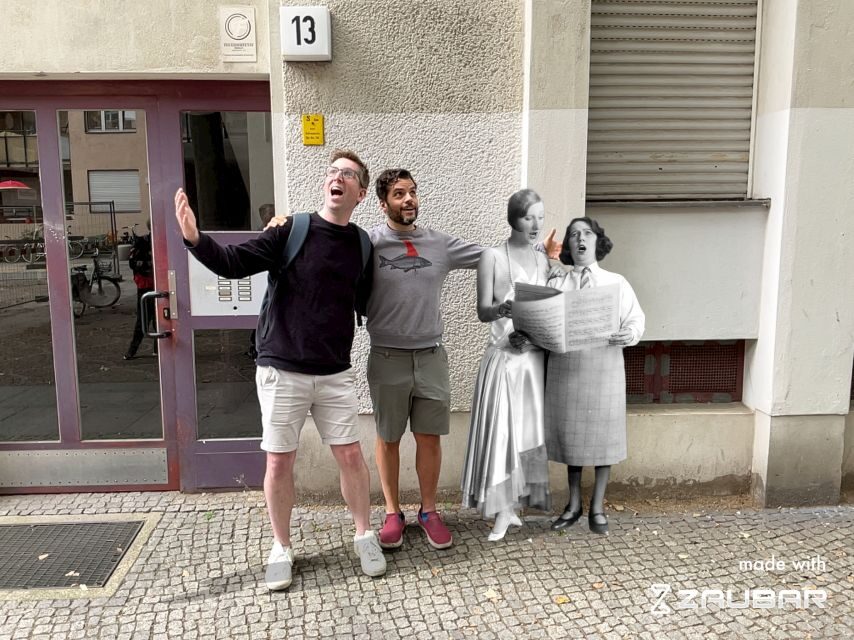
Led by Jeff, a queer activist, social scientist, and certified sex educator, the tour uses multimedia, short quotes, quiz moments, and AR scenes to make the timeline stick. You’ll also get Mixies, personalized Augmented Reality selfies with historic figures—good for memories, but also a clever way to connect names to faces. The route is wheelchair accessible, though some paths can be bumpy and the sensory level can spike in busier areas.
You start near Alnatura at Nollendorfplatz and finish back at Nollendorfplatz, moving past street names and key stops tied to queer life—from early pioneers like Karl-Heinrich-Ulrichs and Magnus Hirschfeld, to lesbian and feminist activism, to queer survival under the Nazis, and onward to AIDS-era activism and today’s Pride-and-club legacy.
In This Review
- Key things I’d pay attention to
- Meeting at Nollendorfplatz: where the tour starts and ends
- Jeff’s approach: queer activist energy with sex-education context
- The multimedia engine: 200+ photos, videos, rare audio, and AR Mixies
- Walking the Nollendorf route: stop-by-stop moments that make the timeline real
- From Ulrichs and Hirschfeld to the world’s first trans identities
- Lesbian nightlife, cabarets, and feminist resistance in 1920s Berlin
- Nazi Germany and queer persecution: when identity became a target
- AIDS crisis, SchwuZ, and activism in divided Berlin
- Berlin’s influence on Pride and club culture from the 1920s to today
- Price and value: is $81 worth it?
- Who this tour is for (and who should think twice)
- Practical tips before you go
- Should you book this Berlin queer & trans history tour?
- FAQ
- How long is the Berlin’s Queer & Trans History Tour?
- What’s the price per person?
- Where do I meet the guide?
- What language is the tour in?
- Is the tour wheelchair accessible?
- Does the tour include Augmented Reality?
- What historical media will we see?
- Is the content appropriate for children?
- What kinds of topics are covered?
Key things I’d pay attention to
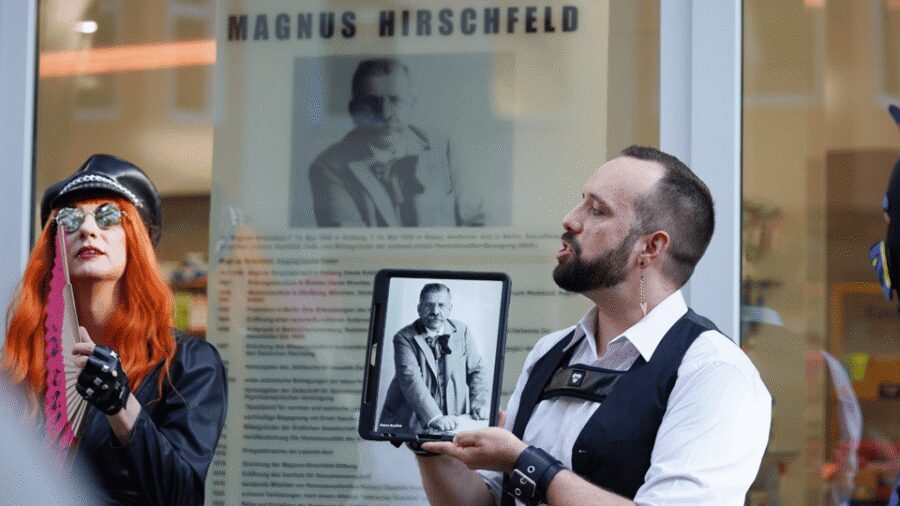
- 200+ archival materials means you’re not just hearing stories; you’re seeing historic photos, videos, and rare audio clips.
- AR Mixies selfies let you take pictures with historic queer/trans figures using Augmented Reality.
- Small group (max 10) keeps the quizzes and questions from feeling like a lecture.
- 150+ years in 3 hours moves fast, so it works best if you’re curious and willing to process big topics.
- Hard content is part of the agenda (Nazis, HIV/AIDS, racism, transphobia, violence), so bring emotional bandwidth.
- English guide, subtitles available for the video parts, with options for accessibility support.
Meeting at Nollendorfplatz: where the tour starts and ends
The tour begins in front of Alnatura Super Natur Markt at Else-Lasker-Schüler-Straße 18, right by Nollendorfplatz, and it loops back to Nollendorfplatz when you’re done. That’s practical: you don’t spend your whole day trapped in one direction, and you end in the same familiar area you started from.
Because it’s designed as a walking tour with stop-and-start moments, you’ll feel the time at each location in short guided segments. Most stops are around 10–20 minutes, so you’re never stuck listening for hours at one spot. The route is wheelchair accessible, with accessible toilets available upon request, but some paths can be a bit bumpy—plan to move at a comfortable pace.
If you’re the type who likes knowing the “why” behind a neighborhood, Nollendorfplatz is a strong choice. The whole tour is about how queer life, identity, and activism built community in real street-level spaces—not just in textbooks.
You can also read our reviews of more historical tours in Berlin


Jeff’s approach: queer activist energy with sex-education context
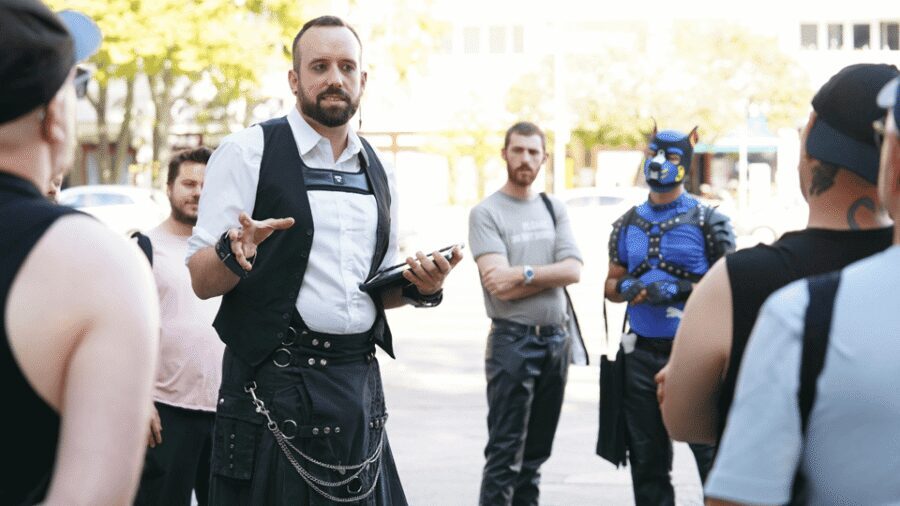
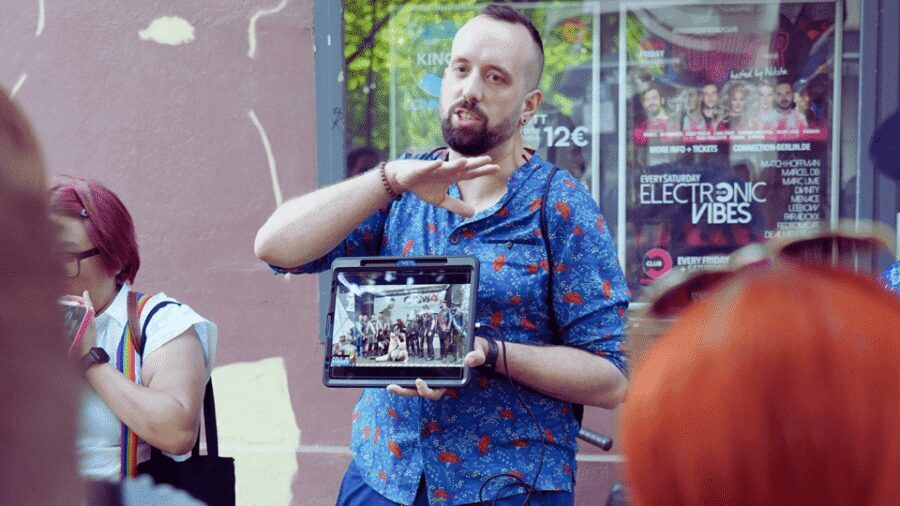
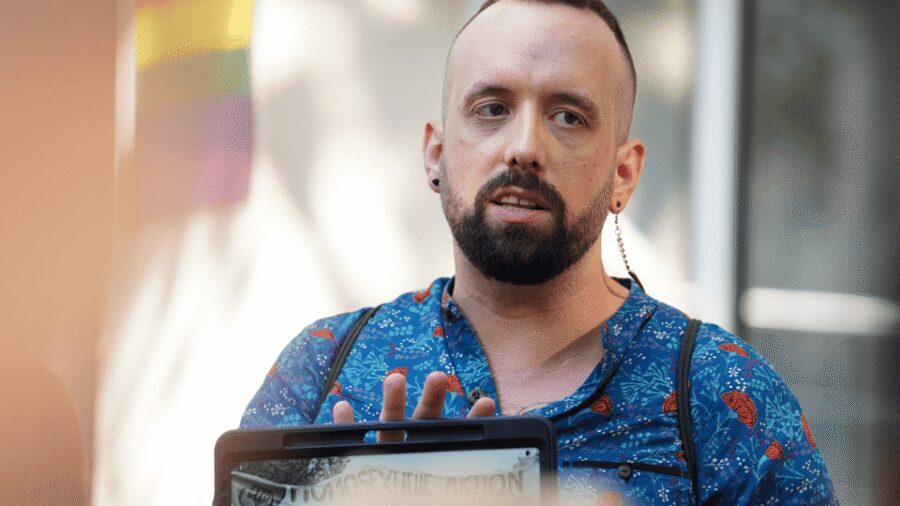
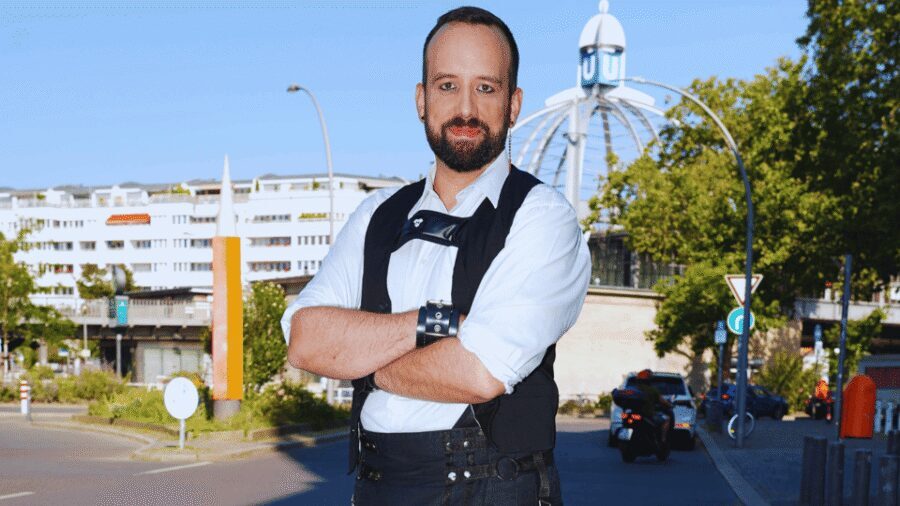
Jeff is more than a guide with a script. He’s a queer activist and gender scholar, and that shows in how the tour balances lived reality with historical facts. You get a mix of education and human tone—serious topics are treated seriously, but the pacing doesn’t turn into a history class that puts you to sleep.
A big part of what makes this work is the interaction: there are quizzes, personal quotes, and moments where you’re invited to test what you remember. That keeps you engaged, especially when the timeline jumps from early LGBTQIA+ rights activism to nightlife culture to Nazi persecution and then to AIDS-era organizing.
Also, the tour is explicitly planned for inclusion. With small groups, it’s easier for the guide to make sure everyone feels welcome and can participate. That matters on a topic that includes sex, gender, and identity, where you want a guide who treats the subject with care.
The multimedia engine: 200+ photos, videos, rare audio, and AR Mixies
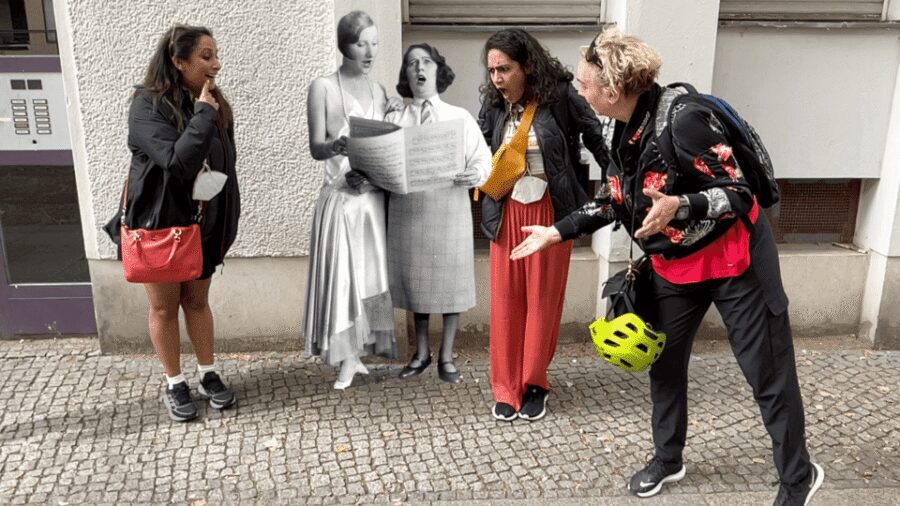
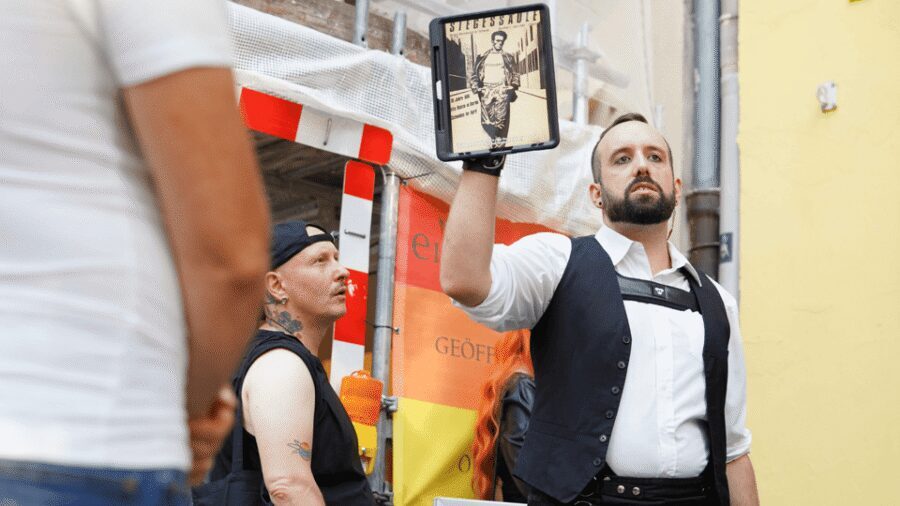
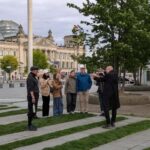
This is not a “stand here and talk” walking tour. The core format is multimedia on the move: you’ll see 200+ rare historical photos, videos, and rare audio clips, plus personal quotes and digital quiz questions.
Then there’s the AR layer. You take Mixies—Augmented Reality selfies—with historic queer activists. It’s fun, sure, but it also does something useful: it turns names you hear (like Karl-Heinrich-Ulrichs or Magnus Hirschfeld) into visual presence. You’re basically building mental anchors as you go.
One practical note: videos include subtitles in German, English, or both. And the route has sensory intensity at times (think bright lights and loud sounds in some areas). If you’re sensitive to that, plan to take short pauses when you need them.
Walking the Nollendorf route: stop-by-stop moments that make the timeline real
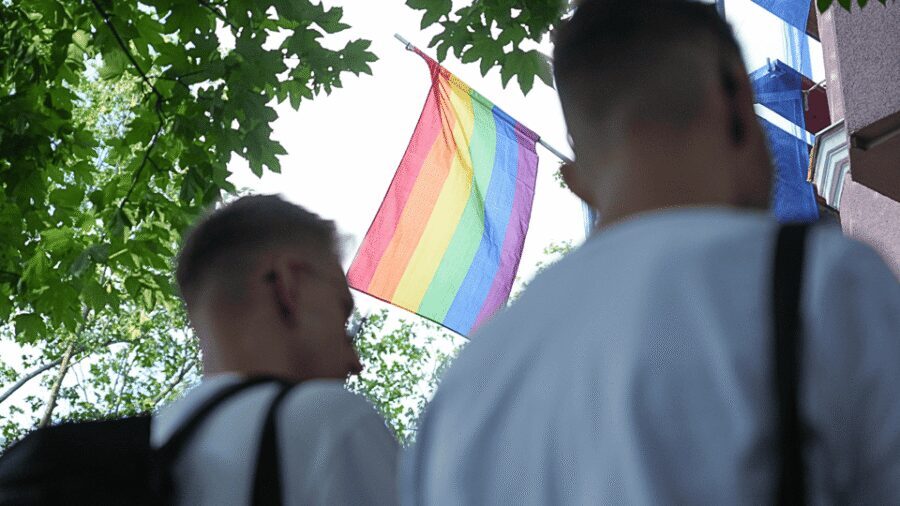
The route is built from short guided segments that connect to different chapters of queer and trans history. Here’s the flow you’ll experience, and what each type of stop adds:
- Alnatura Super Natur Markt (Else-Lasker-Schüler-Straße 18): meet-up point at Nollendorfplatz where the guide sets context before you start walking.
- Karl-Heinrich-Ulrichs-Straße: an early-history anchor tied to LGBTQIA+ pioneers and the start of modern rights activism.
- Hidden gem stop: a brief detour moment where the guide uses historic materials and prompts to connect the story to the street.
- Schwerinstraße: another short chapter change—good for resetting your mind as the tour moves through decades.
- Nollendorfstraße: this stretch emphasizes how queer community life formed in real public spaces, not just behind closed doors.
- Magnus-Apotheke: a stop that helps ground the timeline in everyday Berlin landmarks while the story focuses on identity and survival.
- Denns BioMarkt: a quick pause zone used to keep the walking pace steady while multimedia is referenced.
- Prinz Eisenherz: a nightlife-adjacent stop where the guide’s discussion of queer culture fits the setting.
- Connection Club: another chapter turn toward queer nightlife and how spaces shaped community and expression.
- Internationale Stele GEGEN DAS VERGESSEN: a remembrance stop that fits the tour’s Nazi-era content and the theme of resisting erasure.
- Metropol: performance and public-life associations come into play here, linking to cabarets and later nightlife legacy.
- Finish at Nollendorfplatz: you end where you started, making it easy to continue your day on your own terms.
Because the tour relies on multimedia and AR, the “what you do” at each stop is consistent: you listen, you watch archival media, you answer quiz questions, and you get AR scenes mixed in. That repetition is a feature, not a bug—it keeps your brain from getting lost while the timeline changes.
From Ulrichs and Hirschfeld to the world’s first trans identities
A big early focus is on the origin story of modern LGBTQIA+ activism. You’ll walk through the footsteps of Karl-Heinrich-Ulrichs and Magnus Hirschfeld—pioneers who helped kick off the world’s first LGBTQIA+ rights movement over a century ago.
Then the tour moves into trans history with specifics that are rare in mainstream walking tours. You learn about the world’s first trans and non-binary identities, including gender-affirming surgeries and how trans people lived with “transvestite certificates.” You also hear how Nazi power worked to erase queer and trans history, including attempts to wipe out what had been documented and visible.
This matters because it flips a common misconception. It shows trans life and gender-affirming medical conversations weren’t inventions of the modern era. They had history—and they were attacked.

Lesbian nightlife, cabarets, and feminist resistance in 1920s Berlin
Berlin in the 1920s shows up as a central theme: lesbian bars and cabarets where queer women found community and resistance. The tour frames this not as a party story, but as a social survival story. Under the excitement, there’s always a sense of people building safe spaces and networks.
You’ll meet key cultural figures along the way, including Claire Waldoff, Marlene Dietrich, and Josephine Baker. The point isn’t to name-drop; it’s to connect who was visible in performance and nightlife to the broader feminist and queer activism happening in parallel.
If you love nightlife history—who played where, who had a public voice, and how community formed—you’ll probably enjoy how this tour links the streets to the social scenes. If you only want high-level facts, the character-driven names may feel like you’re being invited into stories rather than studying dates.
Nazi Germany and queer persecution: when identity became a target
You also get the harsh chapter: queer life under the Nazis. The tour covers Hitler’s contradictory stance on homosexuality, the persecution of queer people, and how queer resistance survived even as state violence escalated into concentration camp realities.
This portion of the tour is emotionally heavy by design. The tour explicitly includes content notes around antisemitism, racism, homophobia, transphobia, queerphobia, Nazi Germany, and mass murder. It also includes mentions of sexualized violence, poverty, and suicide as part of the full historical context.
That’s the main drawback to consider: if your ideal Berlin day is mostly streetscapes and snacks, this won’t match that mood. But if you want history that tells the truth—warts included—this tour doesn’t soften it.
AIDS crisis, SchwuZ, and activism in divided Berlin
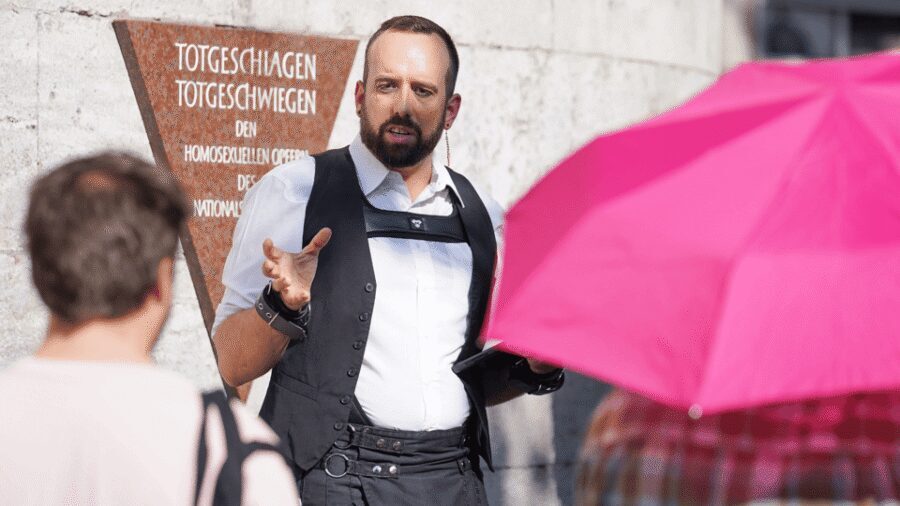
After the Nazi-era sections, the tour shifts to another crisis point: the AIDS crisis and queer activism in divided Berlin. You learn how Berlin’s LGBTQIA+ community fought for survival during the outbreak, and how SchwuZ nightclub became an activist hub.
There’s also a specific detail that sticks because it’s so Berlin-coded: the Berlin Wall was called the condom of the GDR. The tour uses lines like that to make big political realities feel concrete, not abstract.
If you’re interested in how queer history isn’t just about rights on paper but about day-to-day survival, this AIDS-era chapter is one of the most meaningful parts. It shows activism as organized care: community action when the world fails people.
Berlin’s influence on Pride and club culture from the 1920s to today
The tour doesn’t stop at the past. It connects Berlin’s LGBTQIA+ culture to global nightlife and Pride movements, including Dyke March and Folsom Europe, and it links modern club culture to earlier scenes.
You’ll hear how Berlin’s club legacy shaped international LGBTQIA+ nightlife—from Chez Romy Haag to Berghain—and how that cultural influence stretches forward into today’s events and traditions.
This is a good section if you want to understand why Berlin feels different. It’s not only because of venues. It’s because decades of community building kept leaving cultural tracks—some visible on posters and stage lights, others hidden in the way people organized and cared for each other.
Price and value: is $81 worth it?
At $81 per person for a 3-hour, small-group guided tour, the price makes sense if you’re buying three things at once: expert guidance, a high-content multimedia format, and interactive AR souvenirs.
What you’re getting isn’t only a walking route. You’re getting:
- 200+ archival photos, videos, and rare audio clips
- quizzes and guided interpretation
- AR Mixies personalized selfie moments
- insider tips on modern queer nightlife and events
If you usually pay for a standard history walk, this costs more. But the added tech, rare materials, and AR component are the reason. You’re not just learning; you’re collecting a memory set that’s tied to names and stories—not random sightseeing photos.
Who this tour is for (and who should think twice)
This experience is designed for LGBTQIA+ travelers and allies who want an authentic queer history experience, not a generic “gay Berlin” highlights tour. It’s also a strong fit for history lovers who care about lesser-told stories—especially trans history and resistance narratives.
That said, it’s not suitable for children under 18. The content notes are extensive for a reason: the tour covers sex and sexual abuse, drugs and HIV/AIDS, Nazi Germany and mass murder, antisemitism and racism (including sexualized racism), plus nudity. If you have low tolerance for traumatic historical material, you’ll likely want to skip this one.
Also consider the sensory factors. Some areas involve high sensory input (bright lights, loud noises), so bring your own coping strategies if that’s a thing for you.
Practical tips before you go
Wear comfortable clothes. You’ll be walking for about three hours, with lots of short stop moments, so shoes that don’t punish your feet are worth it. Bring weather-appropriate layers too—Berlin shifts fast.
If you’re bringing accessibility needs, the tour route is wheelchair accessible, though some paths may be bumpy, and accessible toilets are available upon request. If you have visual disabilities, you can expect descriptions of visual materials. For videos, subtitles are available in German or English.
Finally, give yourself permission to feel it. This is a history tour where the goal is understanding, not just photos.
Should you book this Berlin queer & trans history tour?
Yes—if you want the stories behind the streets, and you’re ready for history that includes both survival and violence. The combination of Jeff’s activism-and-scholarship approach, 200+ archival media, and AR Mixies selfies makes it more than a talk-and-walk route. It’s also built for small-group interaction, which helps when you’re learning difficult topics.
Skip it if your priority is light nightlife sightseeing with minimal heavy content. This tour covers serious subjects by design, and it asks you to engage, not just observe.
If you’re on the fence, I’d think about what you want your Berlin trip to do: collect cool club tips, or understand why queer Berlin became what it is.
FAQ
How long is the Berlin’s Queer & Trans History Tour?
It lasts 3 hours.
What’s the price per person?
The price is $81 per person.
Where do I meet the guide?
Meet at Nollendorfplatz in front of Alnatura Super Natur Markt (Else-Lasker-Schüler-Straße 18).
What language is the tour in?
The tour is guided in English.
Is the tour wheelchair accessible?
Yes, it’s wheelchair accessible. The wheelchair route may include some bumpy paths, and accessible toilets are available upon request.
Does the tour include Augmented Reality?
Yes. You’ll use Augmented Reality elements and take Mixies AR selfies with historic figures.
What historical media will we see?
You’ll see 200+ rare historical photos, videos, and archival materials, including rare audio clips.
Is the content appropriate for children?
No. It’s not suitable for children under 18.
What kinds of topics are covered?
The tour includes sensitive topics such as antisemitism, racism, homophobia, transphobia/queerphobia, BDSM/kinks and sex work, drugs and HIV/AIDS, Nazi Germany and mass murder, nudity, poverty, and violence-related topics.