REVIEW · BERLIN
Berlin: Berlin Wall and the Cold War Walking Tour
Book on GetYourGuide →Operated by Original Berlin Walks GmbH · Bookable on GetYourGuide
Berlin’s border lines were drawn fast. This 2-hour walk through the Bernauer Straße Wall Memorial brings the Wall’s real layout to life. I like that you get a licensed, English-speaking guide who focuses on everyday life in the GDR (and the frightening pressure to spy), not just dates. I also love seeing the original death strip elements on the ground, so the history feels physical. One drawback to consider: the story is heavy, and you’ll spend the whole tour outdoors and on foot.
If you want a Cold War tour that explains what people did and feared day to day, this works. It stays tight and story-driven, with standout topics like Tunnel 57, ghost stations, and the victims of the border regime.
In This Review
- Key highlights you’ll remember
- Bernauer Straße: where Berlin’s split still feels real
- The 2-hour route: a guided walk that stays focused
- Walking the Wall Memorial and seeing the original death strip layout
- Tunnel 57 and escape stories: when hope met engineering
- Everyday life in the GDR: spying on neighbors was normal pressure
- Ghost stations and border victims: the human cost behind the barriers
- Price and value: is $23 for 2 hours a good deal?
- What kind of guide makes this tour work
- Logistics that matter on the day (and what to do with them)
- Who should book this Bernauer Straße Wall tour
- Should you book the Berlin Wall and Cold War walking tour?
- FAQ
- How long is the Berlin Wall and Cold War walking tour?
- What is the price per person?
- Where does the tour start?
- Does the tour include a guide?
- Is public transport involved?
- What does the tour include at the Wall Memorial?
- Is ticket entry included, and is there a line to skip?
Key highlights you’ll remember
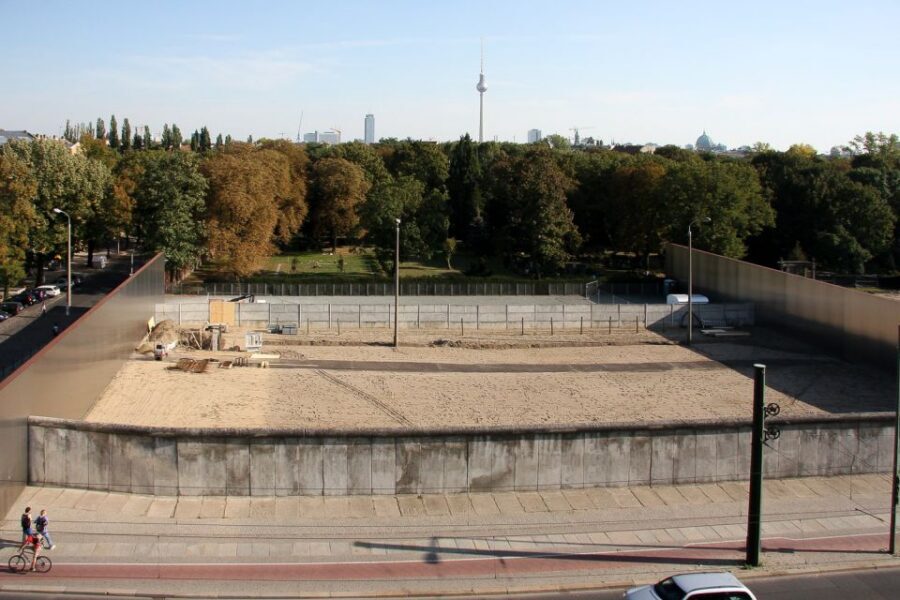
- Bernauer Straße Wall Memorial with a licensed guide and a clear, guided route
- Seeing parts of the original death strip layout, including watchtower-style viewpoints and barriers
- Stories about escape attempts, including tunnels like Tunnel 57
- Context on the GDR secret-police reality and why neighbors sometimes watched neighbors
- Cold War details that connect the big map to real human costs
Bernauer Straße: where Berlin’s split still feels real
The Berlin Wall didn’t just separate neighborhoods. It turned daily life into a risk calculation. What makes this tour work so well is that it focuses on the part of Berlin where the Wall’s impact was sudden, visible, and brutal. You’re walking at Bernauer Straße, a place strongly linked with the Wall’s early, harsh reality—right where Berlin was cut in two overnight in 1961.
And even though Germany has reunited, the idea of a barrier that decided who was safe and who wasn’t is hard to shake. I like that your guide doesn’t treat the Wall like an old photo. Instead, you learn why everyday choices became life-or-death decisions. That’s the emotional engine of the tour.
You’ll also get the important context that the city split into capitalist West and communist East. That’s not just politics on a poster; it shaped jobs, movement, and relationships. The tour’s pacing helps you connect those dots without drowning you in academic jargon.
You can also read our reviews of more walking tours in Berlin


The 2-hour route: a guided walk that stays focused
At 2 hours, this is not one of those day-long “everything Berlin” marathons. It’s a tightly guided experience centered on the Wall and the Cold War border regime. That matters because the subject is intense. You’ll get the main story beats—then you can process them without feeling mentally overloaded.
The tour includes an English speaking guide (and the option for German language as well), and it’s set up as a guided walking experience. You should expect the group to move steadily, with stops built around specific locations tied to the Wall’s structure and the people affected by it.
Starting points can vary based on the option you book. One listed option is Starbucks at Gartenstraße 85. Since the meeting point can change, double-check your confirmation so you don’t arrive at the wrong corner.
Walking the Wall Memorial and seeing the original death strip layout
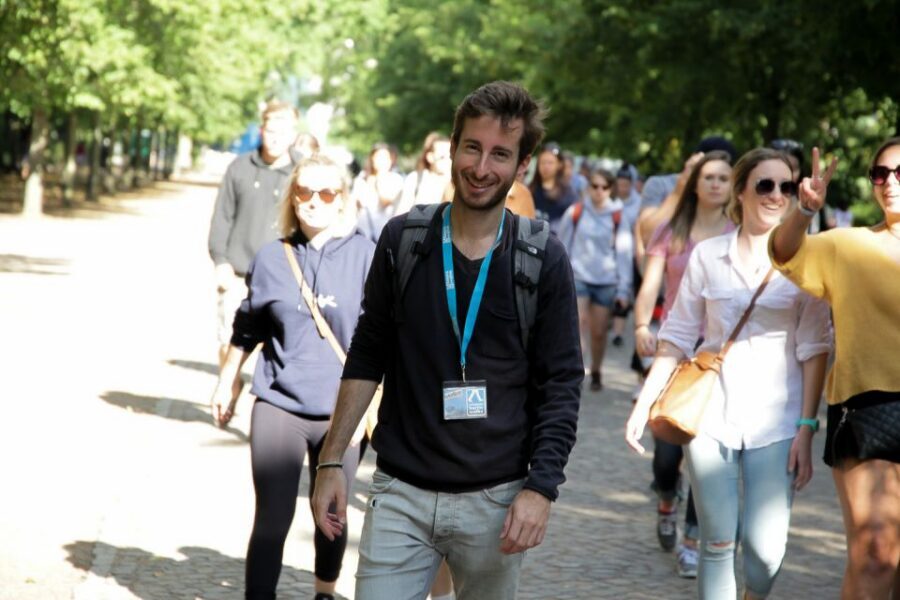
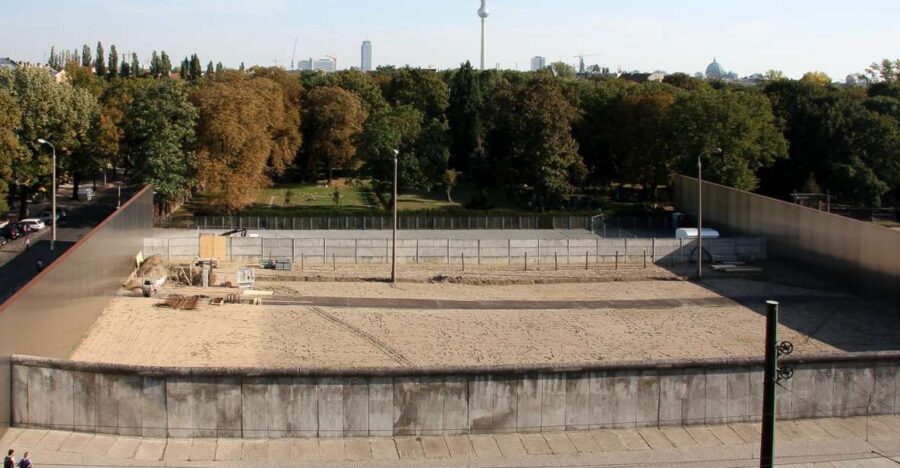
The headline on this tour is the Bernauer Straße Wall Memorial, and the reason that’s so valuable is simple: you see the Wall in a way that feels engineered. The guide points out how the border zone worked as a system—watchpoints, walls, barriers, and the ground created to control movement.
One of the most striking elements is the chance to see the original death strip concept in context. You’re not just hearing that the border was deadly. You’re learning how the setup was designed to make escape attempts extremely dangerous. The tour also mentions the watchtower, walls, and barriers, and that’s key. When you understand what observers could see and what barriers blocked, you grasp why people were desperate—and why many didn’t make it.
Even if you already know the Wall was lethal, the walk helps you visualize how lethal it was in practical terms. This is the difference between knowing history and understanding how a system was built.
A consideration: because the tour focuses on victims and escape failures as well as successes, it’s not a light stroll. If you prefer upbeat sightseeing only, this one may feel emotionally heavy.
Tunnel 57 and escape stories: when hope met engineering
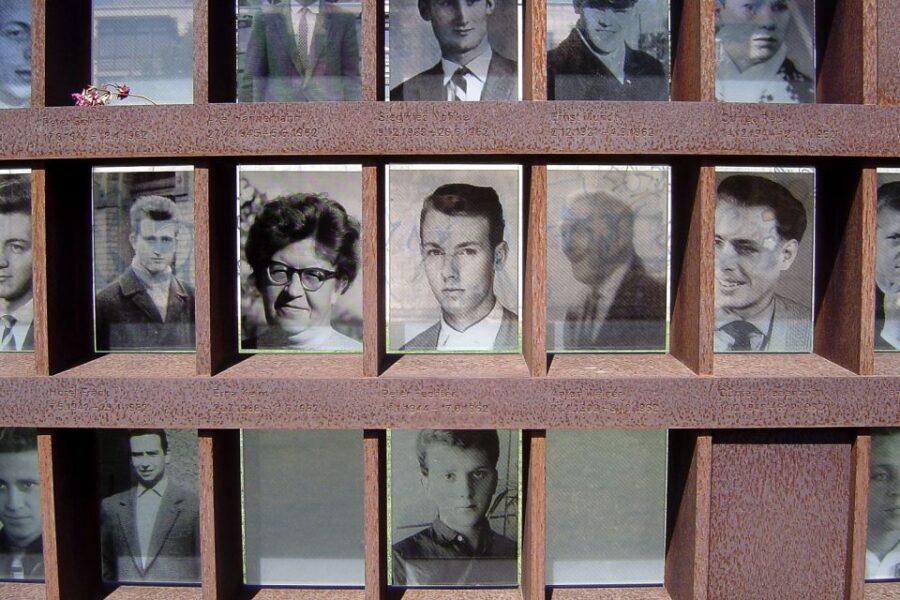
The Wall didn’t stop people from trying. It shaped the kinds of attempts people could even make. This tour highlights escape stories, including Tunnel 57, which is one of the most discussed examples of how far people went to break the system.
What you’ll get from the guide isn’t just the fact that tunnels existed. You’ll hear how escape efforts were planned in a tense environment where every rumor could get someone caught. The focus on real escape tactics helps explain why the border regime responded with more surveillance and control.
This is also where the tour’s “everyday life” angle matters. You learn that the GDR wasn’t only about big political speeches. It was about the constant pressure around ordinary routines: who you talked to, where you went, and how risky it was to trust anyone.
And that connects directly to why a place like Bernauer Straße stands out. It’s not theoretical. It’s geography, barriers, and timing.
Everyday life in the GDR: spying on neighbors was normal pressure
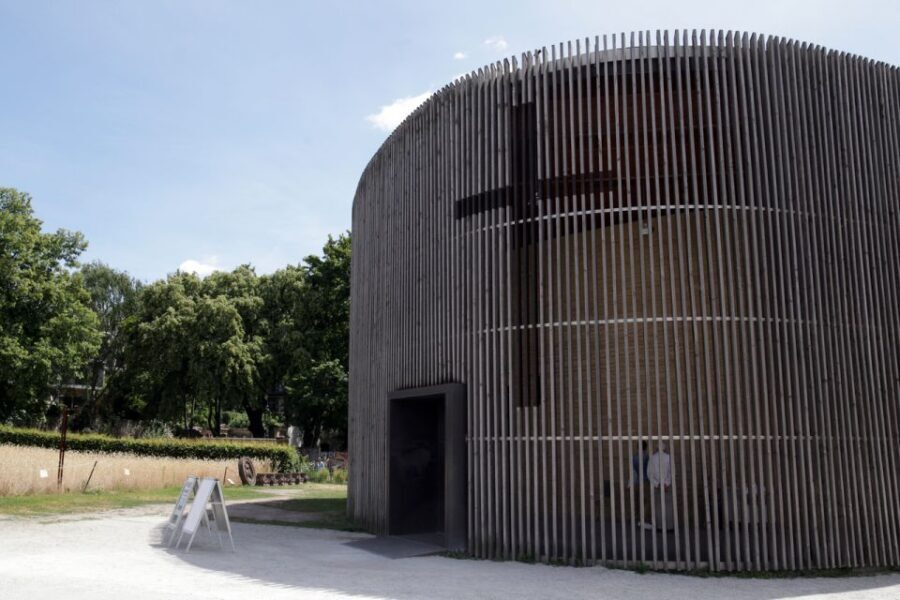
One of the hardest parts of the Cold War to grasp is how normal fear can become. This tour includes stories of everyday life in the GDR, including how neighbours were encouraged to spy on one another.
That detail changes how you interpret everything else. If spying was socially reinforced, then escape wasn’t just dangerous. It was socially dangerous too. You didn’t just have to beat a wall; you had to beat a whole culture of suspicion.
You’ll also hear tough questions addressed directly—especially around the secret police. The tour frames this as a lived reality, not as a distant institution. That’s a big part of why this experience has strong ratings: it gives you the human context behind the mechanisms of control.
If you like history that explains behavior, not just buildings, you’ll appreciate how this tour connects the Wall to how people worked, shopped, raised families, and survived.




Ghost stations and border victims: the human cost behind the barriers
The Wall wasn’t only about the border line. It affected transit, movement, and even the rhythms of the city. This tour includes ghost stations, which are mentioned as part of the larger Cold War story.
Even without turning it into a sightseeing checklist, these details matter. Stations and transit corridors are part of the daily map of a city. When they become “ghost” spaces—unused, watched, or cut off—you realize the border regime reached into everything.
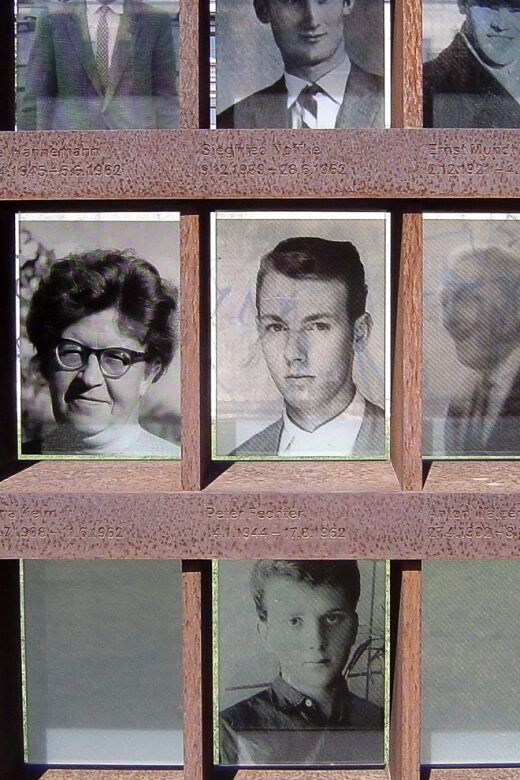
The tour also covers victims of the border regime, and that’s where the walk becomes morally important, not just educational. It forces you to face the cost of policies that treated freedom as something to be contained.
That’s also why a licensed guide is worth it. You get explanations that keep the story grounded. You’re not left to guess what you’re looking at.
Price and value: is $23 for 2 hours a good deal?
At $23 per person for a 2-hour guided walk, the value is strong—especially if you care about interpretation. You’re paying for more than movement from point A to point B. You’re paying for a guide who can connect the visible infrastructure to the human story behind it.
In this kind of experience, the cost is less about “admission” and more about what you gain: names, context, and the why behind the setup. The tour also notes skip the ticket line, which helps you spend your time where it matters: on the Wall Memorial with your guide.
A practical note: since it uses public transport, plan for that time in your day. The walking tour may be 2 hours, but your overall door-to-door experience will be longer.
What kind of guide makes this tour work
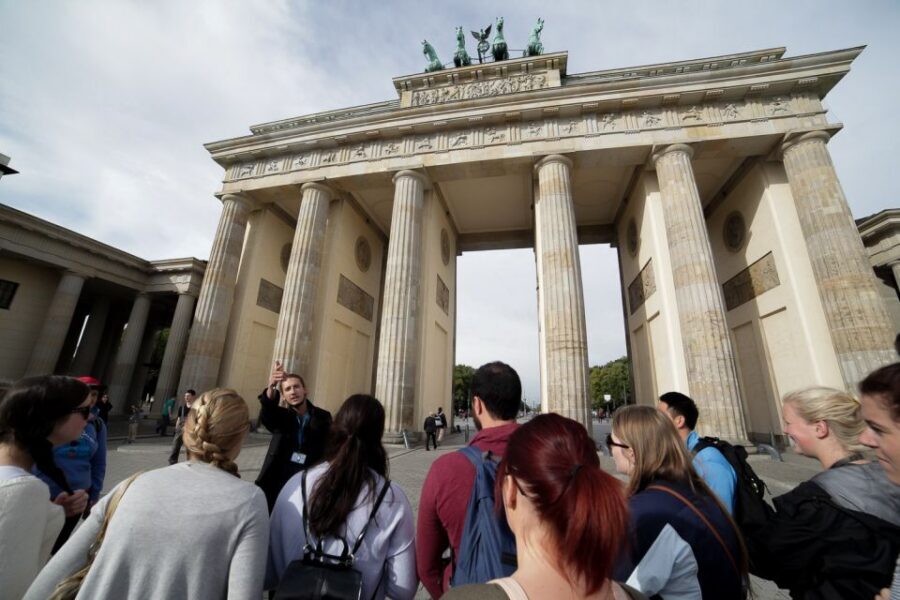
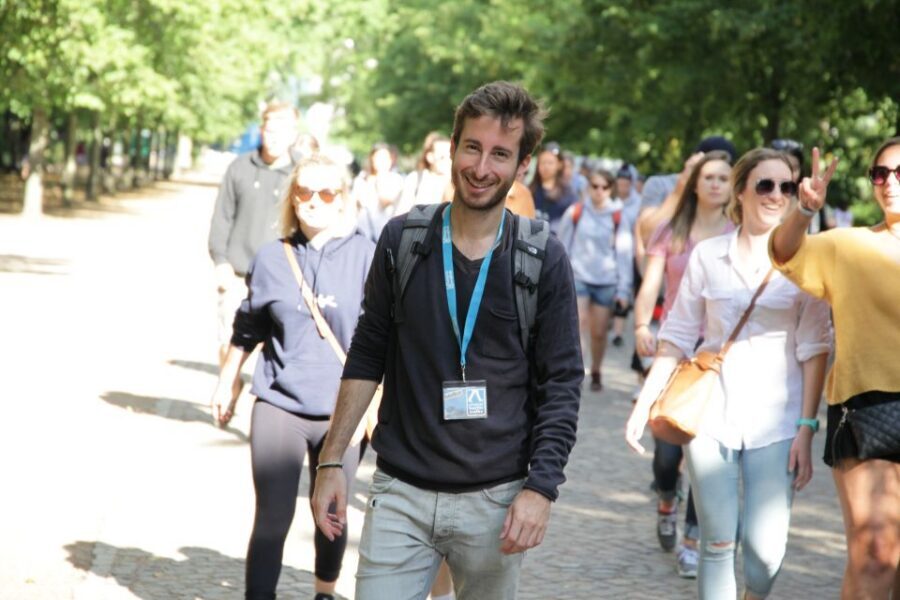
This tour has consistently strong customer feedback for a reason: the guides are described as informative and engaging, with a clear care for the history. Specific examples include guides such as Nathan and Rebecca, praised for keeping the group involved and explaining with care.
You’ll also notice that the tour can adapt to the group’s pace. One account highlights that the guide personalized the walking to the group’s level and paused when needed. That kind of flexibility is especially useful for this topic, because people often need a moment to process what they’re seeing.
If you’re the kind of person who asks questions—about escape methods, the secret police, or how the Wall was set up—you’ll likely appreciate this setup. A good guide helps you ask the tough questions without turning the tour into a debate.
Logistics that matter on the day (and what to do with them)
The tour runs for 2 hours and is conducted with public transport. You’ll likely use transit either to get to the Wall Memorial area or between nearby points depending on your starting option. Choose the starting location and option that fits your day.
You’ll also want to arrive a few minutes early. Meeting points can vary, and one listed option is Starbucks, Gartenstraße 85. That’s an easy landmark if you’re starting there, but since it can vary, confirm your details.
Because this is a walking tour, dress for time outside. Also, keep your expectations realistic: you’re seeing a powerful portion of Berlin’s history, not “collecting facts” at museum pace. Your guide’s job is to focus you on the most meaningful, story-linked spots.
Who should book this Bernauer Straße Wall tour
You should consider booking if:
- You want the Wall explained with everyday life context, not just dates
- You care about how escape attempts worked and why they were so dangerous
- You like guided storytelling that points out what you’re seeing, including the death strip concept and Tunnel 57
- You’re okay with an emotionally serious topic and prefer accurate, human-centered interpretation
You might skip it if:
- You want a light, casual photo tour only
- You’re sensitive to stories about victims and deadly escape attempts
- You prefer purely museum-based experiences with lots of indoor time
Should you book the Berlin Wall and Cold War walking tour?
Yes, if you’re going to Berlin with even a small interest in how history shaped real lives. For $23 and 2 hours, you’re getting a focused guided walk with key Cold War themes: the Wall’s sudden creation in 1961, the engineered border zone, escape attempts like Tunnel 57, and the personal cost for those caught in the border regime.
Book it especially if you like guides who keep the group engaged and can explain the hard parts clearly. The strong mention of guides like Nathan and Rebecca is a good sign that you’ll get more than a script—you’ll get a guided experience that makes the Wall’s reality understandable.
If you’re pairing this with other Berlin stops, keep it early enough that you still have mental room for the emotional weight of the stories.
FAQ
How long is the Berlin Wall and Cold War walking tour?
It lasts 2 hours.
What is the price per person?
The price is $23 per person.
Where does the tour start?
Meeting point may vary depending on the option booked. One listed start option is Starbucks at Gartenstraße 85.
Does the tour include a guide?
Yes, it includes a live English-speaking guide, with language options also including German.
Is public transport involved?
Yes. The tour uses public transport, so choose the appropriate option depending on whether you need a train ticket or already have one.
What does the tour include at the Wall Memorial?
You get a guided visit to the Bernauer Straße Wall Memorial, with stories of everyday life in the GDR, escape attempts, and the border regime context.
Is ticket entry included, and is there a line to skip?
The tour notes skip the ticket line.