REVIEW · BERLIN
Berlin: Cold War History and Berlin Wall Guided Walking Tour
Book on GetYourGuide →Operated by Birchy's Berlin Tours · Bookable on GetYourGuide
Berlin’s wall leaves fingerprints on everything. This 3-hour guided walk threads Cold War landmarks with an up-close look at the 200-meter Wall stretch near Niederkirchnerstrasse. You’ll get the division story in a way that feels real, not like a lecture.
I love the way the local historian brings the era to life with human-scale details, including moments where guides share personal or family photos connected to life by the Wall. I also like that you ask questions as you go, instead of saving everything for the end.
One thing to plan for: you’re outdoors walking for hours, and weather plus city traffic noise can make parts feel a bit noisy or cold, so dress and position yourself smartly.
In This Review
- Key highlights you should care about
- Why This Cold War Walking Tour Works in Berlin
- Getting Oriented Near Hopfingerbräu by Brandenburg Gate
- Brandenburg Gate: The Starting Point for the Divide Story
- The Wall Remnant Stop: Seeing the 200 Meters Up Close
- Topography of Terror: Why the Aftermath Still Shapes Berlin
- Potsdamer Platz: Where the Cold War Met the Future
- Checkpoint Charlie: The Famous Crossing, Explained Properly
- Berlin Wall Memorial: The 75 Minutes That Feel Heavy in the Best Way
- Price and Value: Why $31 Can Make Sense Here
- Pace, Comfort, and What to Do If You’re Hearing-Limited
- Who This Tour Fits Best (And Who Might Want a Different Option)
- Should You Book This Cold War and Berlin Wall Tour?
- FAQ
- FAQ
- How long is the Berlin Cold War History and Berlin Wall guided walking tour?
- Where do I meet the guide?
- Which stops are included on the tour?
- What languages are the tours offered in?
- Is the tour wheelchair accessible?
- What should I bring for the tour?
- Can I reserve now and cancel later?
Key highlights you should care about
- Cold War storytelling by a local historian that connects politics to daily life
- A 200-meter stretch of the former Berlin Wall along Niederkirchnerstrasse
- Checkpoint Charlie explained with context, not just photo ops
- Berlin Wall Memorial with longer guided time where the losses feel personal
- A former DDR watchtower stop tied to what life behind the divide meant
- German and English guided tour, wheelchair accessible
Why This Cold War Walking Tour Works in Berlin
Berlin can look like a modern city first, especially if you’re only used to seeing its glassy new buildings. But the Cold War is still written into the street plan, the sightlines, and even the gaps where the Wall used to be. This tour turns that “wait, what happened here?” feeling into a clear story you can actually picture.
The best part is that it’s not just monuments in a row. You’re walking between places that represent different layers of the same conflict: the pre-Wall tensions, the Wall’s physical reality, and the later effort to remember lives affected by it. The guide keeps shifting your focus so you understand both the big political arc and the daily cost.
It also helps that the route is timed for attention. This is a 3-hour experience, so you get enough time to learn at each stop without feeling trapped for an entire day. And because it’s a walking tour, you naturally learn how close these historic points are to each other, which makes the city feel less like history from a textbook.
You can also read our reviews of more walking tours in Berlin

Getting Oriented Near Hopfingerbräu by Brandenburg Gate
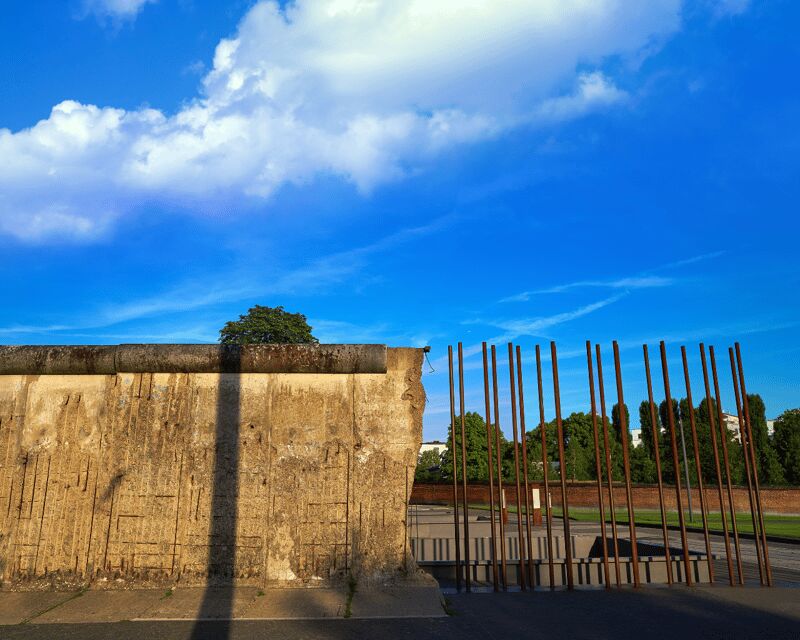
You start outside Hopfingerbräu, right by the Brandenburg Gate area. That’s a smart first move. It gives you an instant “backdrop” to the story, because you’re not walking into the Cold War from the edge of nowhere. You’re starting in a place that many people already recognize, then learning what the division meant around it.
If you’re the kind of person who likes to know where you’re standing, you’ll appreciate this. The tour takes you through the city in a sequence that helps you build a mental map quickly: what the Wall created, what borders looked like on the ground, and why certain crossings became famous.
Practical tip: this walk is easier if you bring comfortable shoes and wear weather-appropriate clothing. Even if the day looks mild, Berlin weather can change fast. One review noted the tour continued through heavy snow and cold, so you’ll want layers that don’t slow you down.
Brandenburg Gate: The Starting Point for the Divide Story
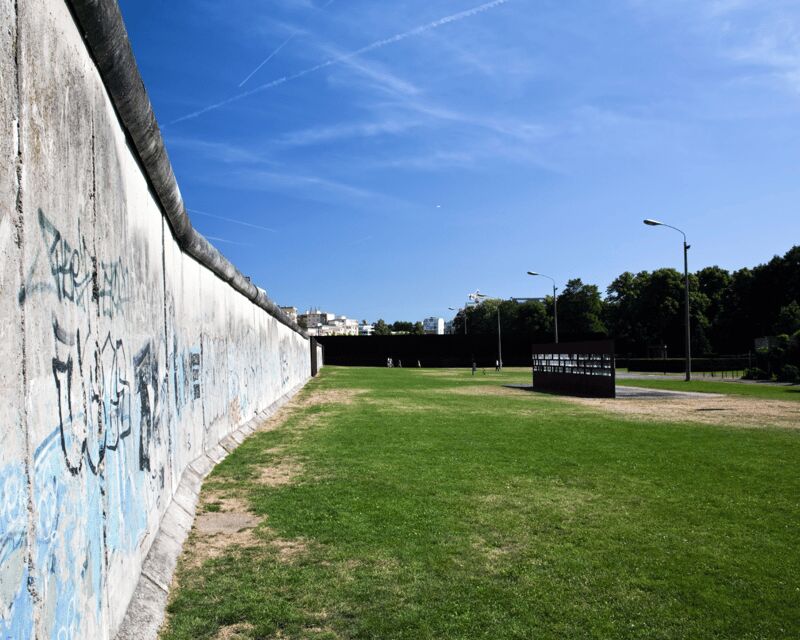
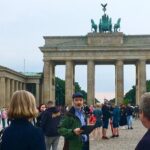
The tour begins with a brief stop at Brandenburg Gate (about 15 minutes). This isn’t about sightseeing for its own sake. The guide uses the area to set the stage for the period after World War II, when cooperation between major powers broke down and the Cold War started shaping Berlin’s fate.
If you’ve ever felt confused by Cold War timelines, this is where the guide helps you get bearings. You’ll hear how the uneasy alliance between the Soviets and Western Allies collapsed, and how that shift set up the conditions for the city’s division. The goal isn’t memorizing dates. It’s understanding why Berlin became the high-stakes front line.
I like starting here because it keeps the story grounded. You’re looking at a real place, then learning what it meant once the city was cut in two.
The Wall Remnant Stop: Seeing the 200 Meters Up Close
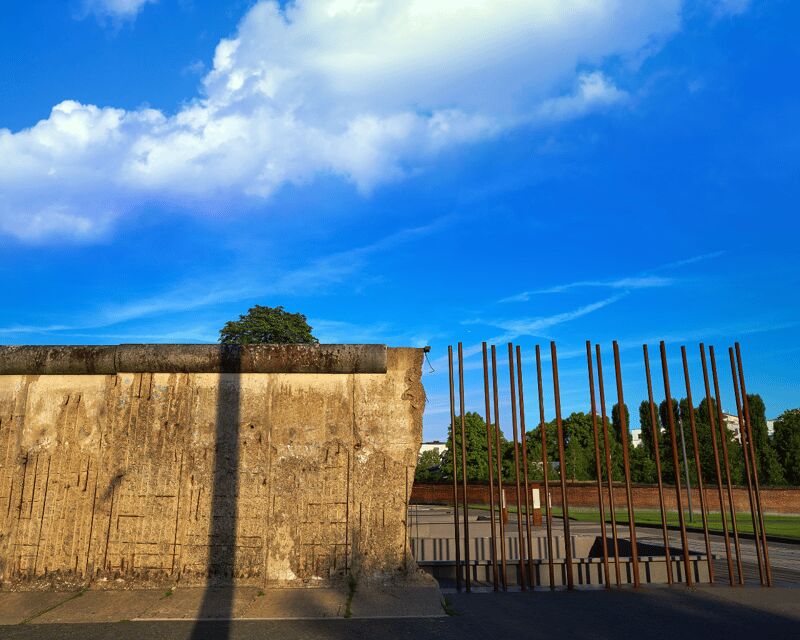
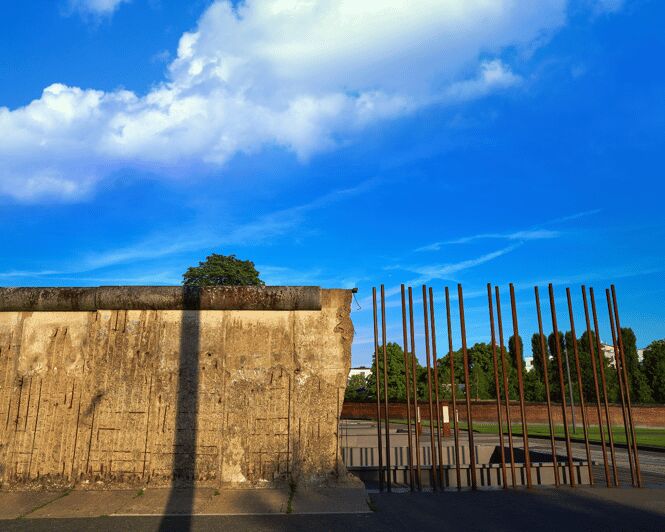
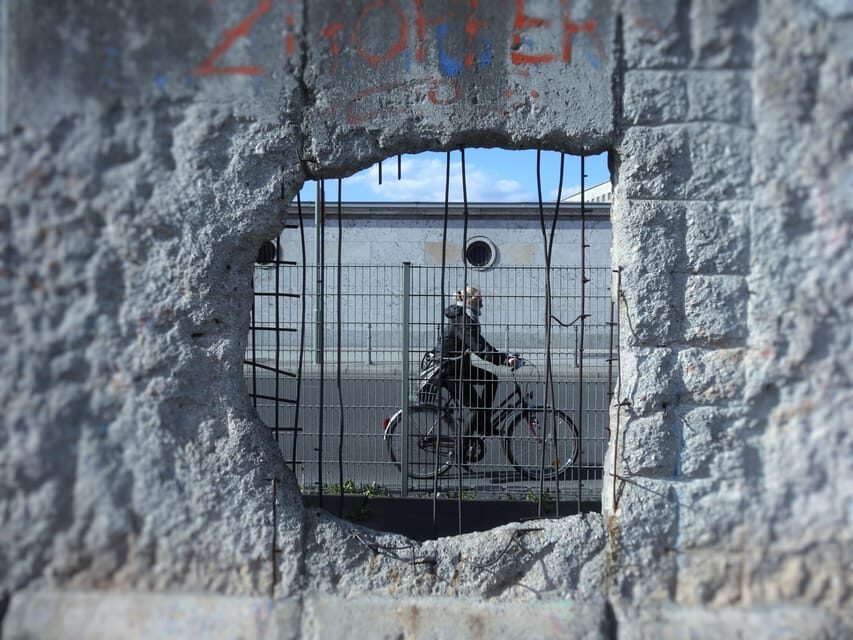
Next comes one of the most compelling parts of the whole tour: a visit to the former Berlin Wall line, including a 200-meter stretch along Niederkirchnerstrasse (around 25 minutes). This is where the history stops being abstract.
A Wall remnant like this does something photos can’t. In a photo, you see a segment. On foot, you start noticing what the Wall changed: movement, sightlines, escape routes, and the everyday stress of living next to something that wasn’t just symbolic. It was physical, permanent, and dangerous.
You’ll also see a former DDR watchtower as part of this section. That detail matters. Watchtowers weren’t scenery. They were the machinery of surveillance—another reminder that the division wasn’t only political. It was enforced.
If you care about architecture or city planning, you’ll enjoy how the guide helps you read the area like a system. And if you care about human impact, the guide’s stories help you connect the built environment to personal risk and courage, especially through escape tales.
Topography of Terror: Why the Aftermath Still Shapes Berlin
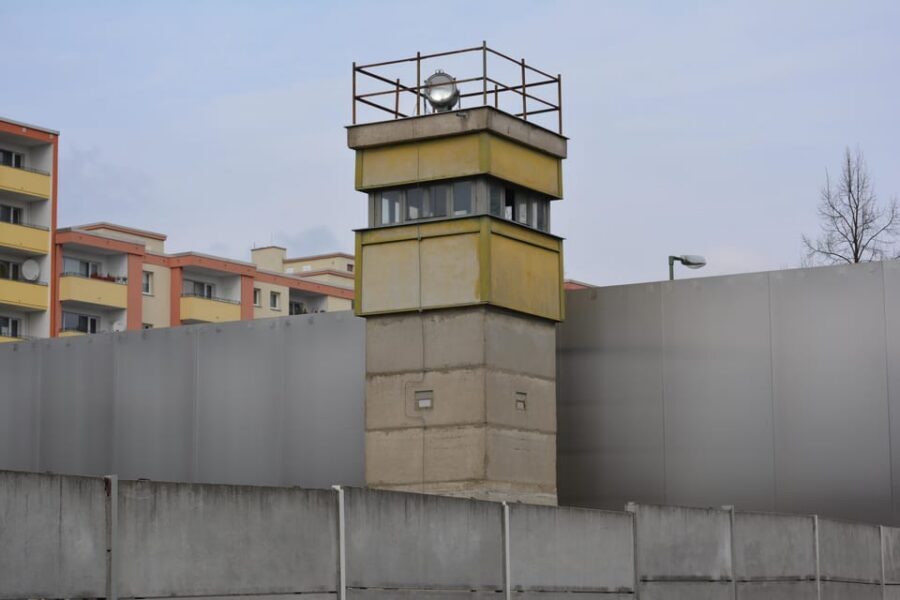
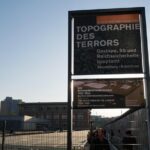
After the Wall remnant stop, you head to Topography of Terror (about 15 minutes). Even without turning this into a museum marathon, it’s a strong “context bridge” in the route.
This stop matters because the Cold War story doesn’t begin on the day the Wall went up. Berlin’s post-war reality was shaped by what came right before it, and the guide uses that connection to help you understand how political power shifted and how fear and control played out through the years.
You’ll likely leave this segment with clearer cause-and-effect thinking. The goal is not to overwhelm you with names or dates, but to show how the city’s past kept feeding the next chapter of conflict.
If you’re trying to keep your day emotionally balanced, it helps that this portion is short. You get the meaning without spending too long in heavy material.
You can also read our reviews of more guided tours in Berlin




Potsdamer Platz: Where the Cold War Met the Future
The tour then includes a quick stop at Potsdamer Platz (around 15 minutes). This is a good choice because it’s a reminder that Berlin didn’t freeze in Cold War time.
Potsdamer Platz also helps you understand why the Wall’s legacy is still visible today. It’s not just about what used to be here. It’s about how Berlin rebuilt and how the city’s layout and identity moved forward after division.
I find that kind of stop helps the whole tour land better. Otherwise, a Wall-focused walk can feel like you’re only absorbing tragedy. A short segment like Potsdamer Platz adds perspective: the conflict happened, the city changed, and the effects are still readable in the present.
Checkpoint Charlie: The Famous Crossing, Explained Properly
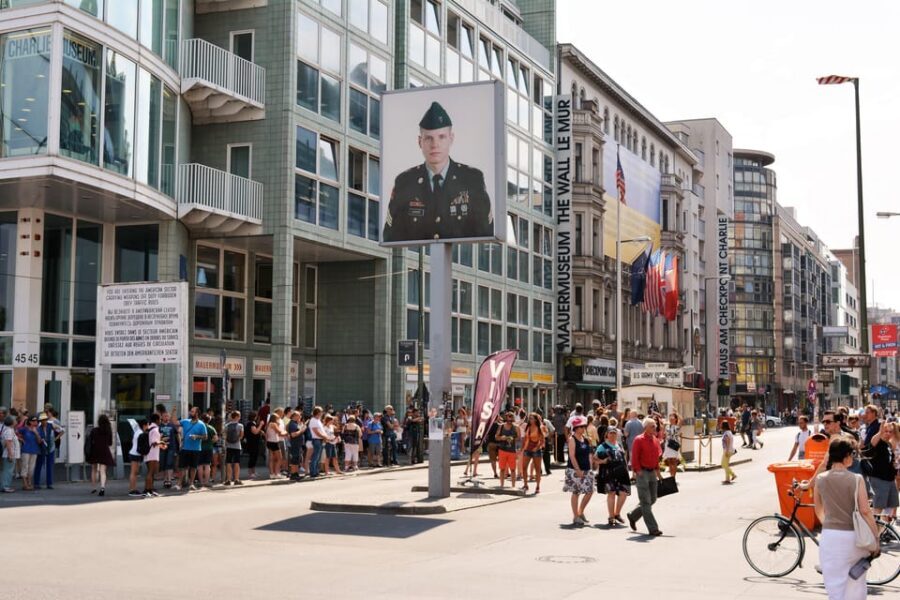
Checkpoint Charlie is where many people’s curiosity spikes. You get guided time here (about 25 minutes), and the tour treats it like more than a photo backdrop.
Checkpoint Charlie is described as the most famous border crossing between East and West Berlin, and the guide uses that fame to explain why this spot became a focal point. You don’t just learn where people crossed. You learn what that crossing represented: tension, scrutiny, and the constant negotiation of limits.
What I really like about this stop is the way the guide connects it to real-life stakes. Expect stories about escape attempts and the bravery involved, plus context about what life looked like on either side of the divide. The anecdotes make the political boundaries feel human, which is usually what separates a good Wall visit from a basic one.
One tip from a review that’s worth taking seriously: city traffic noise can interfere with hearing the guide. If you can, position yourself so you’re facing the guide during the talk. It helps you catch details without straining.
Also, if you’re lucky enough to have a guide who uses personal or family photos, this is the kind of stop where those visuals can hit especially hard. One guide (Cieran, and also accounts from Eugen and Paul appear in the guide names people mentioned) shared personal photo material, which added real texture to the stories.
Berlin Wall Memorial: The 75 Minutes That Feel Heavy in the Best Way
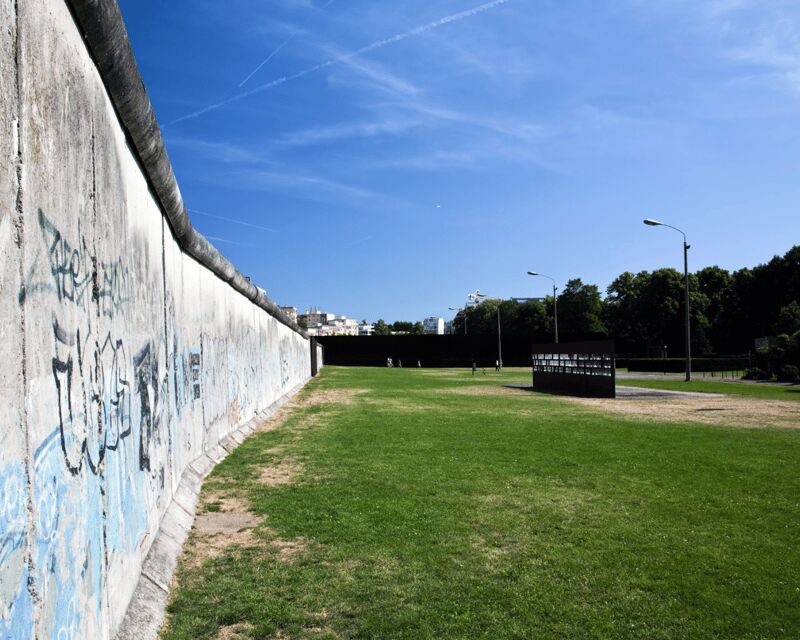
The final major focus is the Berlin Wall Memorial, with guided time of about 75 minutes. This is the heart of the tour if you want the emotional and commemorative side to land.
The memorial commemorates the division of the city and the lives lost as a result. That means the guide doesn’t just talk about the Wall as an object. You’ll learn what the Wall meant for people, including tragedies connected to attempted escapes and the lasting imprint on families and the city.
This longer stop is intentional. In 3 hours, you need at least one segment where the guide can slow down and give you time to think. The memorial time does that. It’s also where the tour’s explanation of why the Wall was constructed and what led to its fall comes into sharper focus.
From my perspective, that’s the main value of spending more guided time here: you leave with understanding, not just awareness. You can describe the Wall’s story with clarity, and you can also explain why remembering it matters.
One practical note: this is a longer segment, so bring whatever helps you stay comfortable. If it’s cold, you’ll feel it after a while. If it’s rainy, you’ll want a plan for damp shoes and steady footing.
Price and Value: Why $31 Can Make Sense Here
At around $31 per person for a 3-hour walking tour, the price feels reasonable when you compare what you get.
You’re getting:
- A walking route across multiple major Cold War sites
- Guided time at Checkpoint Charlie (guided) and the Berlin Wall Memorial (75 minutes)
- A local historian who can answer questions, not a prerecorded audio tour
Berlin history is everywhere, but the real difficulty is turning scattered sights into a connected story. This tour tackles that problem directly. For many visitors, that connection is the difference between “I saw places” and “I understand what I saw.”
So if you like learning with a person who can adjust to your questions and pace, this is a strong value for the money. It’s also a good use of limited vacation time because 3 hours is enough to cover the core without exhausting you for a full day.
Pace, Comfort, and What to Do If You’re Hearing-Limited
This is a walking tour, so pace is steady rather than rushed. Expect to move between stops and to do some standing during explanations. It’s not a sit-down lecture.
Because city traffic noise can be an issue, I suggest you treat your position like you would in a theater. Don’t get stuck behind taller people if you can avoid it. Face the guide when they talk.
Also, since you’ll be outside for hours, dress for the weather, not for the forecast. Berlin can feel colder than you expect, and one review specifically called out snow and cold without the guide losing momentum. That tells you the tour runs in real conditions.
If you tend to get uncomfortable standing for long periods, bring a small comfort item like lip balm or hand warmers in winter. It won’t improve the Cold War, but it will help you focus on the stories.
Who This Tour Fits Best (And Who Might Want a Different Option)
This is a great fit if you:
- Want a clear Cold War story tied to real locations
- Enjoy guided explanations and Q&A
- Like learning from people who can connect political events to human experiences
It’s especially good for first-time visitors who feel like Berlin history is too big to organize alone. The route gives you a guided structure so you don’t have to guess what matters most.
If you prefer only light sightseeing, you might find the subject matter emotionally heavy. The memorial segment is not a quick stop. It’s designed to be reflective. You’ll want the right mindset for that.
If you hate walking, you might find the format limiting. The tour is wheelchair accessible, but it still involves a multi-stop walking route, so comfort and mobility needs matter.
Should You Book This Cold War and Berlin Wall Tour?
I think you should book it if you want more than landmarks. This tour gives you a coherent story: how the Cold War formed after WWII tensions, why the Wall was built, what life meant on both sides, and how bravery and escape attempts shaped the human side of the division.
It’s also a strong choice for value. For a little over $30, you get guided time at the places that most people remember, plus a meaningful focus at the memorial.
You might skip it if you want a purely upbeat day, or if you can’t handle standing outdoors for a couple of hours. But if you’re okay with thoughtful, moving history, this one is worth your time.
FAQ
FAQ
How long is the Berlin Cold War History and Berlin Wall guided walking tour?
It lasts 3 hours.
Where do I meet the guide?
Meet your guide outside Hopfingerbräu next to the Brandenburg Gate. The tour begins and ends at Ebertstraße 24.
Which stops are included on the tour?
You’ll see Brandenburg Gate, a former Berlin Wall area including a 200-meter stretch along Niederkirchnerstrasse, Topography of Terror, Potsdamer Platz, Checkpoint Charlie, and the Berlin Wall Memorial.
What languages are the tours offered in?
The tour is guided in German and English.
Is the tour wheelchair accessible?
Yes, it’s wheelchair accessible.
What should I bring for the tour?
Wear comfortable shoes and bring weather-appropriate clothing.
Can I reserve now and cancel later?
You can reserve now and pay later. Free cancellation is available up to 24 hours in advance for a full refund.