REVIEW · BERLIN
Berlin Third Reich & Cold War Walking Tour With A Guide
Book on Viator →Operated by Guydeez · Bookable on Viator
History changes the way a street feels. This 2-hour Berlin walk strings together the biggest Third Reich and Cold War landmarks with a live guide, starting at Unter den Linden and ending at Topography of Terror.
I like two things right away: you hit the key places in a tight timeline, and several stops are listed with free admission tickets, so you spend more time understanding than budgeting. The other big plus is the guide’s structure, which helps you connect symbols to what happened there—especially at the Holocaust Memorial and the former Gestapo/SS headquarters area.
One heads-up: parts of this route are heavy. If you want a carefree sightseeing loop, this one will tug at you, and it’s still a walking tour with limited time at each stop.
In This Review
- Key highlights worth your time
- What You See in Two Hours: From Brandenburg Gate to Topography of Terror
- Price and Value: Is $42.06 a fair deal?
- Meeting Point and Tour Shape: How it plays in real life
- Brandenburg Gate: A Peace Symbol With a Berlin Wall Echo
- Reichstag Building: Parliament Power and the Dome View
- Holocaust Memorial: Walking the 2,711 Slabs Without Turning Away
- Berlin Story Bunker: What’s Marked, What’s Explained
- Topography of Terror: The Gestapo and SS Headquarters Area
- Included Extras That Actually Matter
- Pace, Pace, Pace: What the 24-minute stops mean for you
- Who This Tour Fits Best
- Should You Book This Berlin Third Reich and Cold War Walking Tour?
- FAQ
- How long is the Berlin Third Reich and Cold War walking tour?
- Where does the tour start?
- Is the tour only in English?
- Is it a private tour?
- How many stops are included?
- Are tickets included for the stops?
- What’s included in the price besides the guide?
- What is not included?
- When should I book?
- What is the cancellation policy?
Key highlights worth your time
- A 5-stop timeline from German unity symbolism to Nazi terror to Cold War fallout
- Free ticket notes at each scheduled stop, plus staff help if you want to book anything specific
- The Holocaust Memorial with its 2,711 concrete slabs and a guided way to process what you see
- Hitler’s bunker area marked with an information board, explained in context
- Topography of Terror at the former Gestapo and SS headquarters site
- Private or small group feel, with guides speaking multiple languages (English included)
What You See in Two Hours: From Brandenburg Gate to Topography of Terror
This tour is built like a guided storyline you can walk. You’re given about 2 hours total, with roughly 24 minutes at each of five stops, which is just enough time to orient yourself, take in the setting, and get the main threads tied together.
You start at Brandenburg Gate, then move through the Reichstag area, the Holocaust Memorial, the marked bunker site, and finish at Topography of Terror. Each stop is chosen for meaning, not just photos. The result is a route that helps you understand how Berlin went from state power and propaganda to mass murder, collapse, and the long Cold War shadow.
You can also read our reviews of more walking tours in Berlin



Price and Value: Is $42.06 a fair deal?
At $42.06 per person for about 2 hours, the price lands in the “worth it if you like context” zone. The value isn’t just that you visit famous places. It’s that a trained guide helps you make sense of why these sites matter, and you’re not left to guess what you’re looking at.
Also, the tour includes support to help you book tickets for the visits you want. That matters in a city where the wrong timing can mean wasted time. Even better, the stop details list free admission tickets for each location on the itinerary, which can reduce the hassle (and cost) that often comes with big Berlin history stops.
Meeting Point and Tour Shape: How it plays in real life
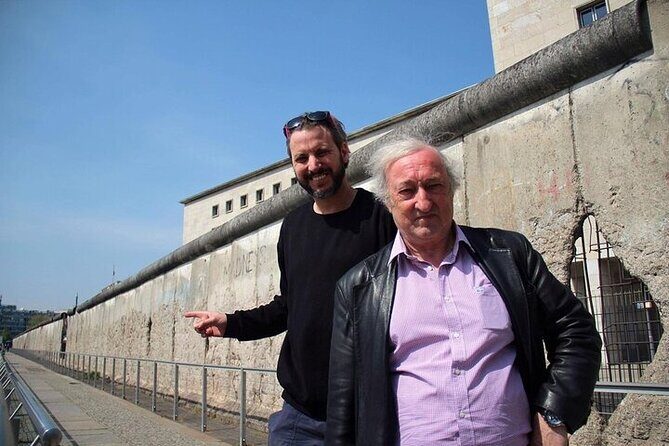
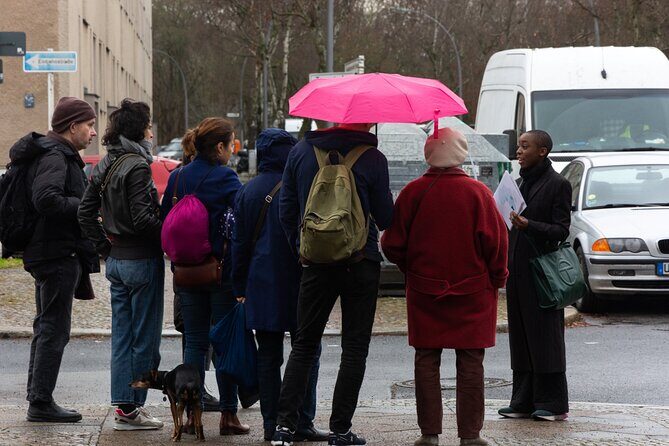
You meet at Unter den Linden 77, 10117 Berlin and the tour ends back at the meeting point. It’s described as near public transportation, which is handy because this route touches central sights where you’ll likely arrive by tram or metro.
You should plan on comfortable shoes. The schedule is tight, with short stays at each stop. There’s no food or drink included, so bring water if you tend to get thirsty while walking.
One more practical note: the tour is a city tour, not a fully guided walk inside monuments the whole time. That means you’re focusing on the sites, interpretation, and what you can see in the immediate area. If you want extra time deep inside a museum wing, you may need to add that separately.
Brandenburg Gate: A Peace Symbol With a Berlin Wall Echo
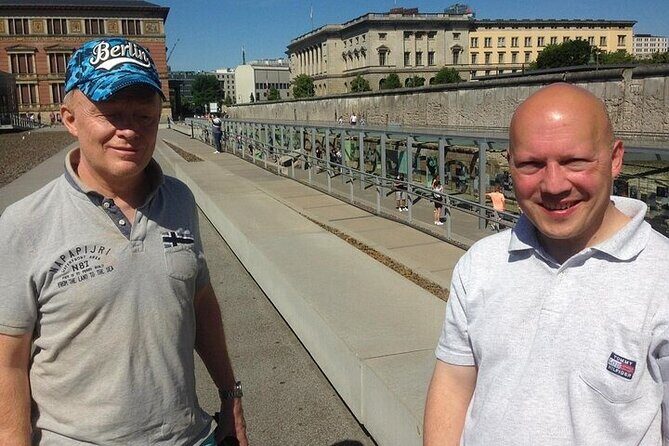
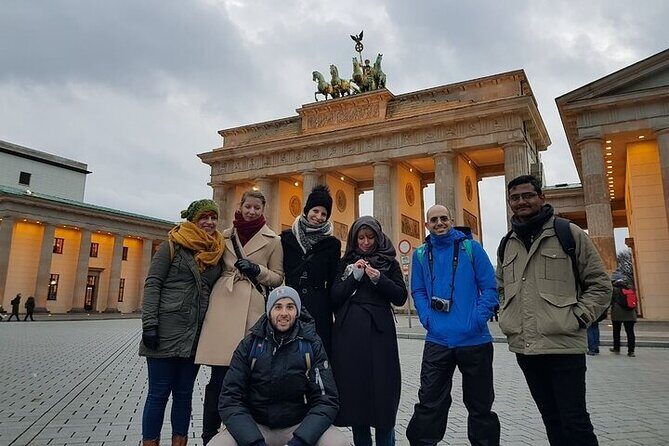
Your first stop is the Brandenburg Gate, described as a neoclassical monument tied to unity and peace in Germany. That’s the surface meaning. The guide’s job is to connect that surface to the places and events that surrounded it—especially the role it played as the Berlin Wall fell.
What I like about starting here is that it gives you a visual anchor for everything that comes next. You can stand in one place and understand how the same city feature can mean different things depending on who’s in charge and what’s happening around it.
Possible drawback: because it’s an iconic spot, it can be busy. You’ll get your share of understanding, but you won’t have solitude.
Reichstag Building: Parliament Power and the Dome View
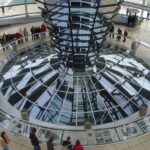
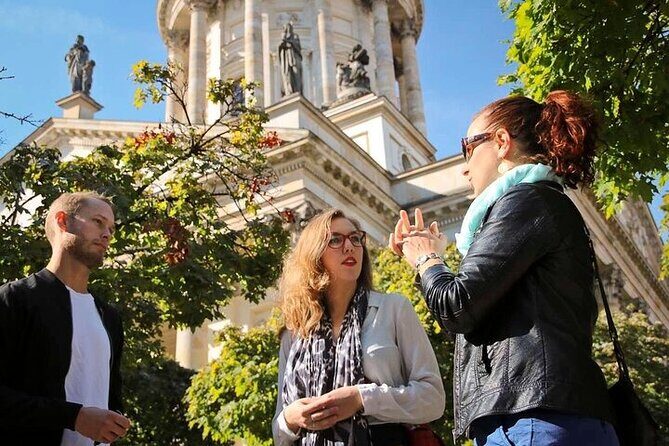
Next you head to the Reichstag building, home to Germany’s parliament. This stop mixes old-state symbolism with a modern element: the modern glass dome is noted as offering panoramic views of the city.
Even if you’re not going deep into the building as part of this walk, the explanation helps you see the Reichstag as more than a big government photo background. You’re learning how a parliament building fits into Germany’s public story, and how that story changed when the Third Reich era ended and the country’s political identity shifted.
What you’ll want to do here: take in the overall building shape and then look for viewpoints that let you connect the dome idea to the wider city. The guide’s interpretation helps those architectural details click into place.
You can also read our reviews of more guided tours in Berlin




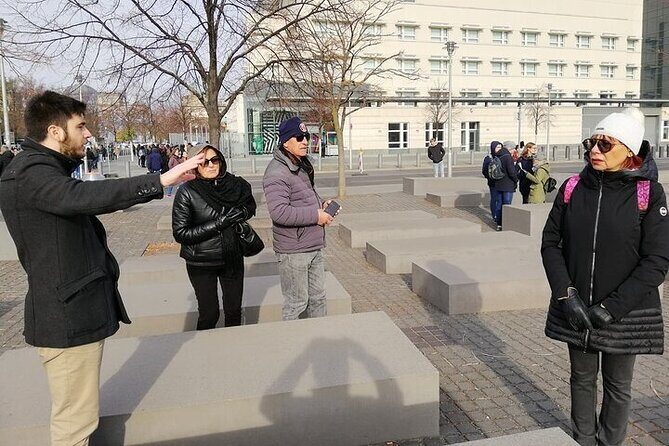
Holocaust Memorial: Walking the 2,711 Slabs Without Turning Away

Then comes one of the hardest stops: the Memorial to the Murdered Jews of Europe. It’s made of 2,711 concrete slabs, and you’re given time to reflect as you walk through it.
This is where a guide can make the difference between simply seeing a memorial and understanding what the space is asking you to do. The slabs’ repetition and the way you move around them can feel disorienting on your own. With a guide, you’re less likely to rush through. You’re also more likely to leave with a clearer sense of why this memorial exists.
A consideration: pace yourself. If you’re someone who needs breaks from intense sites, this is a good place to slow down and take your time rather than trying to “finish the route” on willpower.
Berlin Story Bunker: What’s Marked, What’s Explained
After the memorial, the tour heads to the site of Hitler’s bunker, now marked with an information board. This stop is focused on the final days of WWII and the fall of the Third Reich.
The value here is directness. You’re not chasing vague rumors. The spot is identified and explained, and the guide’s job is to translate what happened in those final days into a story you can understand while standing in the place where it’s referenced.
Possible drawback: this stop is more about the information board than about dramatic visuals. If you’re expecting a big, preserved structure you can tour, you might feel a little underwhelmed. But for many people, that restraint is part of the point.
Topography of Terror: The Gestapo and SS Headquarters Area
You end at Topography of Terror, described as an outdoor and indoor museum on the former site of the Gestapo and SS headquarters. The exhibits are aimed at explaining atrocities committed during the Nazi regime and providing history about the Gestapo.
This is a strong finish because you move from walking past symbolic areas into a place that’s explicitly organized around documentation and explanation. Even with a limited stop time, you’ll usually leave understanding the machinery behind the terror, not just the headlines.
What to watch for: let the exhibit titles and themes guide you rather than trying to read everything. With only about 24 minutes here, you’ll get more out of choosing a few key sections with the guide than attempting to cover the whole museum.
Included Extras That Actually Matter
Beyond the obvious “you get a guide,” the included items help you make the trip smoother:
- Walking tour format with interpretation at each stop
- Private or small group option and customization (so you’re not stuck with one rigid script if your questions differ)
- In-person English, Spanish, French, German, Italian speaking guide availability
- Team help to book the tickets for the desired visits
That ticket help is important even though the stop list shows free admission notes. In practice, countries and museums sometimes require time planning, and support can cut down stress.
Pace, Pace, Pace: What the 24-minute stops mean for you
A schedule with short stops can be a blessing or a curse. On the plus side, it keeps the tour moving so you don’t get stuck at one site while the rest of the story falls behind. On the minus side, if you’re the kind of person who wants to linger for 45 to 60 minutes, you might feel time pressure.
My practical suggestion: treat each stop as a “get the meaning” moment. If you want extra detail later, come back on your own. This tour works best as a foundation that makes self-guided exploring more effective afterward.
Who This Tour Fits Best
This walk is recommended for everyone, but it’s especially suited to people who:
- want a guided timeline rather than isolated monuments
- appreciate context at major sites tied to WWII and the Cold War
- prefer a smaller group feel over a large bus-style crowd
- want English-speaking guidance (with other languages also available)
It may not be the best match if you want a long, museum-heavy day. This is a city walk with focused stop times, and you won’t get hours of indoor exploration inside every venue.
Should You Book This Berlin Third Reich and Cold War Walking Tour?
I’d book it if you want to understand Berlin’s most difficult story beats in a structured, guided walk. The route makes sense: you start with a unifying symbol, then move into parliament-era state imagery, then into the Holocaust memorial, then into the bunker site, and finish with the Gestapo/SS headquarters museum area.
It’s also good value for the time. The price isn’t just paying for motion; you’re paying for help connecting what you see at each stop to what it represents.
Only skip it if you know you want a lighter sightseeing day or if you get overwhelmed by emotionally intense sites. If you can handle that, you’ll walk away with your bearings—and a clearer sense of how Berlin’s past reshaped its present.
FAQ
How long is the Berlin Third Reich and Cold War walking tour?
It runs for about 2 hours.
Where does the tour start?
The meeting point is Unter den Linden 77, 10117 Berlin, Germany.
Is the tour only in English?
English is offered, and the tour lists in-person guides who can speak English, Spanish, French, German, and Italian.
Is it a private tour?
Yes. It’s described as a private tour/activity, with only your group participating.
How many stops are included?
There are five stops: Brandenburg Gate, Reichstag building, the Holocaust Memorial, Berlin Story Bunker site, and Topography of Terror.
Are tickets included for the stops?
Admission tickets are listed as free for the scheduled stops. The tour also says you’ll get help to book tickets for the visits you want. Entry to monuments and museums is listed as not included in general.
What’s included in the price besides the guide?
A walking tour, private or small group option, customization, in-person guide support, and help from the team to book tickets for desired visits.
What is not included?
Food or drinks, tips, and entry to monuments and museums are listed as not included. Transportation costs for public transit are also not included.
When should I book?
On average, it’s booked about 45 days in advance.
What is the cancellation policy?
You can cancel for a full refund up to 24 hours before the experience start time.