REVIEW · BERLIN
Berlin: World War Two Third Reich and Cold War Walking Tour
Book on GetYourGuide →Operated by Original Tours Holding Limited · Bookable on GetYourGuide
Berlin never stays quiet.
You can walk straight from the shadows of the Third Reich into the Cold War, and the city starts explaining itself block by block. This is a history-focused walking tour that ties together WWII, East Communism, and the Berlin Wall in one steady narrative, not as separate chapters.
I like how the guide-led format keeps the story moving, especially when you’re watching the way landmarks connect across eras. I also like the Wall-heavy portion, with Eastside Gallery and the Berlin Wall Memorial built into the route so you get context, not just photos.
One thing to watch: the meeting process can get chaotic at busy times. Since there was a report of the tour not being offered as expected after an unclear group split, I’d show up early and keep an eye out for the white umbrella at the start.
In This Review
- Key moments worth planning for
- Berlin in Five Hours: WWII to Cold War, One Walking Story
- Finding the Meeting Point Under the White Umbrella
- Third Reich Era Stops: Reichstag, War Museum, Flak Tower, and Hitler’s Bunker Area
- Reichstag area: power in plain sight
- Russian-German war museum: Berlin through a layered lens
- Flak Tower: the air-defense city
- Hitler’s bunker reference: the endgame and its aftermath
- The Cold War Switch: East Communism and Why Berlin Became Divided
- Berlin Wall Stops That Actually Matter: Eastside Gallery and Berlin Wall Memorial
- Eastside Gallery: art as political memory
- Berlin Wall Memorial: what you learn when you slow down
- Wall Remnants, Guard Towers, and Escape Routes: How the System Worked
- Architecture That Survived: Why These Places Still Hit
- Price and Value: Getting Access and a 5-Hour Guided Narrative for $21
- What to Bring for a WWII-to-Wall Day
- Who Should Book This Tour (and Who Might Prefer Another Option)
- Should You Book This Berlin WWII and Wall Walking Tour?
- FAQ
- How long is the Berlin WWII and Cold War walking tour?
- What is the meeting point for the tour?
- What language is the guide?
- What places will the tour cover?
- Are meals included?
- Is the tour wheelchair accessible?
- What is the cancellation and booking flexibility?
Key moments worth planning for
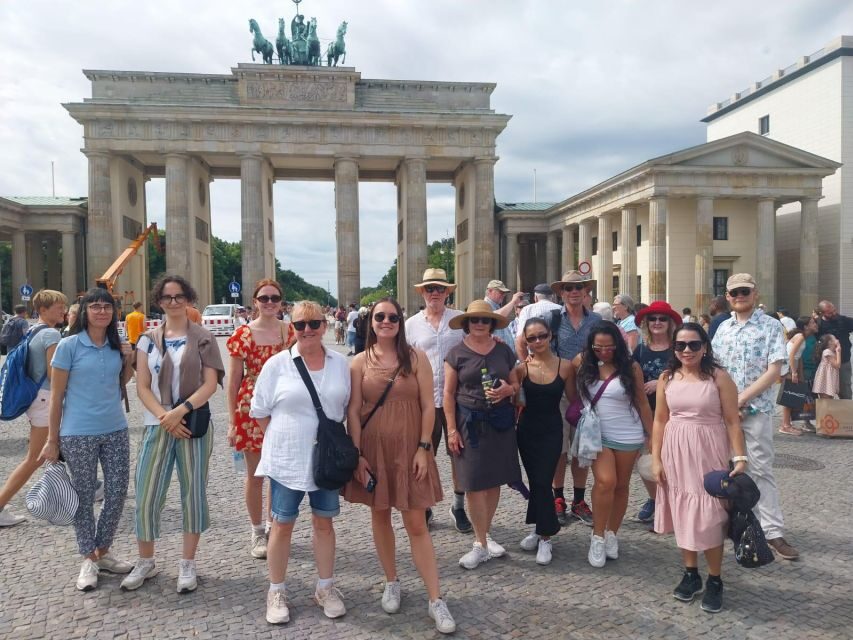
- White umbrella start: the meeting point is clearly tied to Generator Berlin Alexanderplatz, corner-side with a visible marker.
- Reich-era stops: you’ll pass major WWII-era references like the Reichstag area and sites tied to Hitler’s bunker and Berlin anti-aircraft defenses.
- Cold War landmarks: Eastside Gallery and Berlin Wall Memorial anchor the story in real places you can still feel.
- Wall details, not just views: expect talk about guard towers, escape routes, and what daily life looked like behind the Wall.
- Exclusive entry: some landmarks are included with special access, which can save time and make certain stops more meaningful.
Berlin in Five Hours: WWII to Cold War, One Walking Story
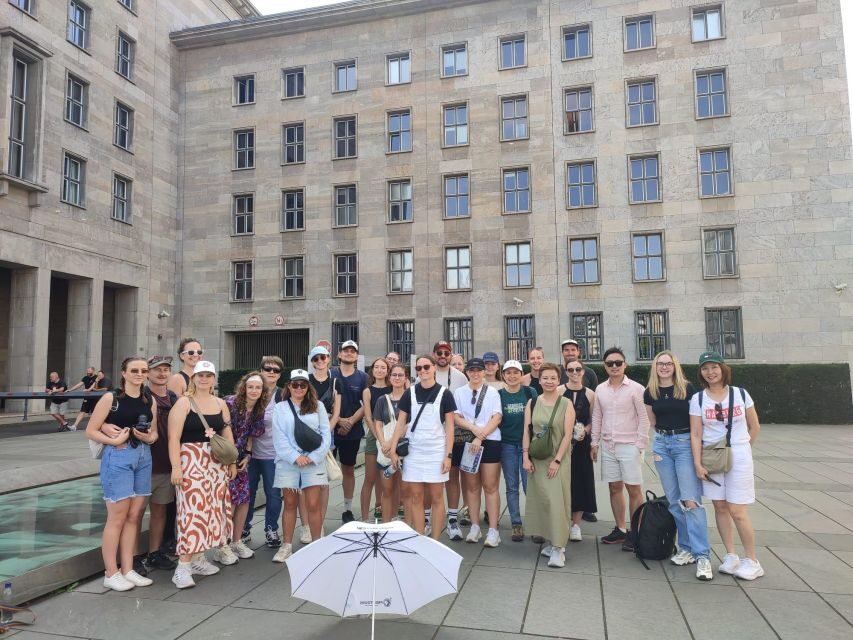
If you like your history with street-level details, this tour fits the bill. Berlin has a talent for blending eras: one corner can hint at the Third Reich, while the next block reflects Cold War lines and decisions. A guide helps you read those layers fast, without wandering in circles.
The structure is built around transitions. You start with the WWII narrative tied to the Third Reich, then shift into how the Cold War shaped Berlin. From there, the Wall becomes the centerpiece—why it existed, how it worked, and what it did to the lives on both sides.
That through-line matters. It’s easy to treat WWII and the Cold War like two separate history classes. Here, you’ll see how one sets the stage for the other. You also get a chance to connect politics to culture, since the tour points to Berlin’s cultural impact, including music and revolutionary art that grew out of pressure, hope, and identity.
You can also read our reviews of more walking tours in Berlin



Finding the Meeting Point Under the White Umbrella
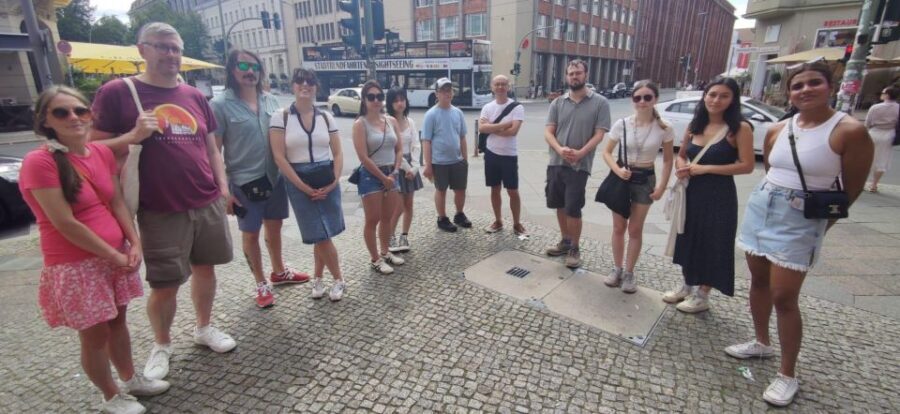
The tour starts at a spot you can actually locate: look for the white umbrella on the corner in front of Generator Berlin Alexanderplatz. That detail sounds small, but it matters in a city with lots of tours and lots of foot traffic.
Here’s my practical advice: arrive a little early, stand where you can see the street corner, and be ready to identify your group quickly. One of the weaker experiences tied to this tour mentioned confusion when multiple groups were dividing at the same meeting area. Even if that’s not the norm, it’s a good reminder that being early is the easiest fix.
At the end, the tour returns to the same meeting point. That’s convenient if you want to head straight to dinner in Alexanderplatz or continue on your own without a long commute.
Third Reich Era Stops: Reichstag, War Museum, Flak Tower, and Hitler’s Bunker Area
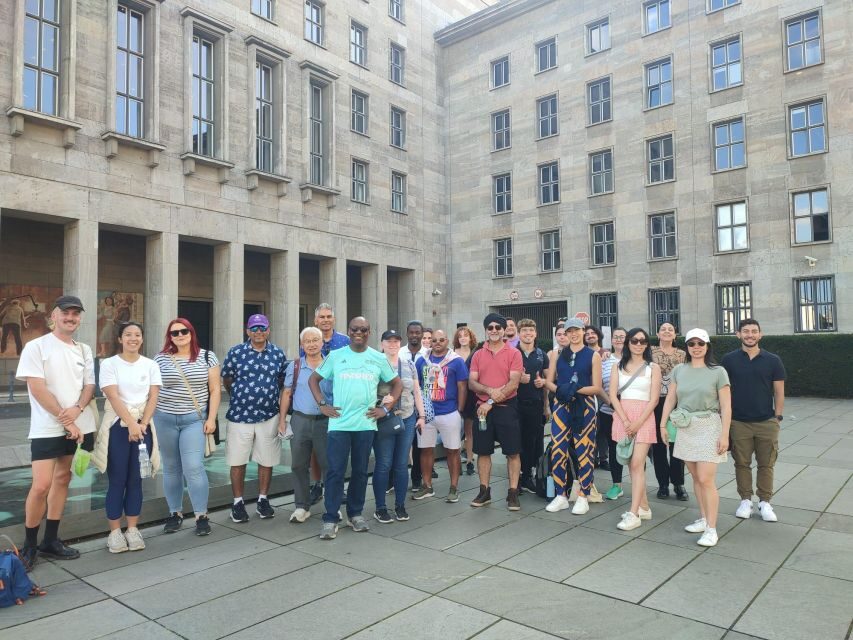
The WWII portion is where many people expect the tour to focus on big names and big speeches. It does that—but the value is in what those names meant on the ground in Berlin.
You’ll move through an area that ties together the Reichstag connection with other WWII references, including the Russian-German war museum and the Flak Tower. You’ll also cover a point related to Hitler’s bunker. Even if you’ve seen pictures before, a guided stop helps you understand why these places matter to the story of collapse, survival, and the turn into a new political era.
Reichstag area: power in plain sight
Even if you don’t go inside, the Reichstag connection gives you a sense of how the German state projected power. The guide’s explanations are the difference between seeing a famous building and understanding what it represented during the Third Reich period—and why Berlin became a prize worth fighting for.
Russian-German war museum: Berlin through a layered lens
This stop is especially useful because it signals how the war is remembered through different perspectives. Berlin sits at the crossroads of those narratives. Having a guide on your side helps you connect what you see to the broader shift from wartime urgency to postwar occupation and division.




Flak Tower: the air-defense city
The Flak Tower reference is a reminder that the war wasn’t only fought on fronts far away. Berlin saw constant pressure from the sky. A stop like this tends to make the war feel more physical—less like a timeline, more like a lived reality.
Hitler’s bunker reference: the endgame and its aftermath
Hearing the bunker story in context can be intense. It’s also the kind of reference that helps you understand why Berlin later became a symbol in the Cold War. When power collapses, the political map doesn’t just change; it gets redrawn.
The big takeaway here: the guide uses these stops to lead you toward what came next. You’re not just seeing wartime history—you’re being prepared to understand how Berlin got split into opposing systems.
The Cold War Switch: East Communism and Why Berlin Became Divided
Once you transition into the Cold War portion, the tour shifts tone. You’ll spend time on East Communism, and the goal is to show what division meant beyond politics.
For you, the benefit is clarity. The Cold War can feel abstract unless you connect it to everyday routines: who had access to what, what movement restrictions meant, and how the Wall affected ordinary decisions—work, family, education, even simple routes between neighborhoods.
The guide also frames the Wall as more than a barrier. It became a tool of control and a symbol that carried meaning far beyond Berlin. When you walk in the right spots with the right explanations, that symbolism becomes easier to understand.
Berlin Wall Stops That Actually Matter: Eastside Gallery and Berlin Wall Memorial
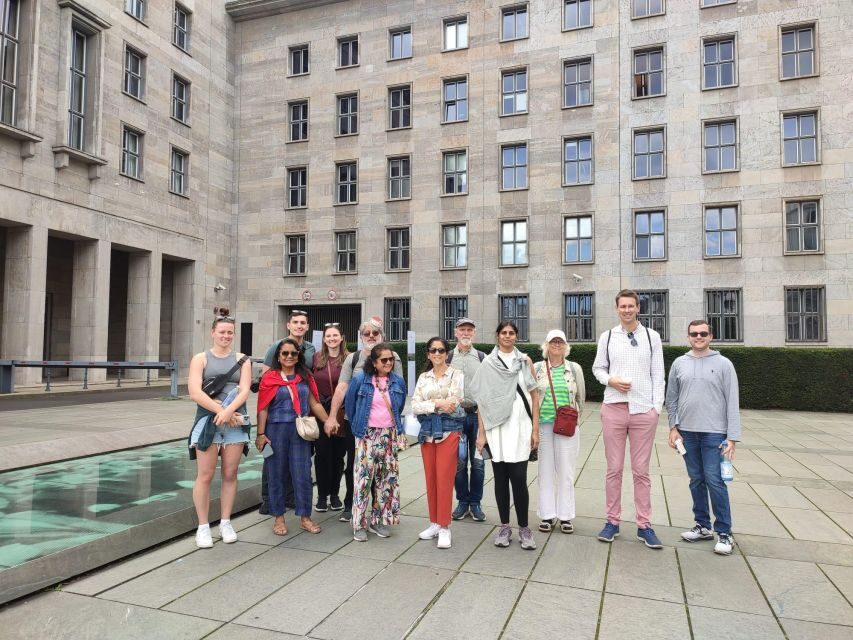
If you’ve only seen the Wall in postcards, you’re missing the point. The best Wall segments aren’t only about the Wall’s look; they’re about the stories you can read on and around it.
This tour includes major Wall-related landmarks such as the Eastside Gallery and the Berlin Wall Memorial. That combination works well because it gives you both visual memory and documentary context.
Eastside Gallery: art as political memory
The Eastside Gallery is where you see how art can turn trauma and confinement into message. It also helps you notice how the culture of the city kept moving even when freedom was limited. The guide’s explanations tend to connect the art you see with the historical pressure that shaped it.
Berlin Wall Memorial: what you learn when you slow down
At the Berlin Wall Memorial, the experience is more about understanding the system behind the Wall. You’ll spend time with the guide’s framing so the physical remains make sense—why certain features existed and how they shaped the real possibility of escape.
Even if you’re not a museum person, a memorial stop is worth it because it gives you the vocabulary to understand what you’re seeing outside. After this, when you encounter other Wall remnants on the route, you’ll read them with more context.
Wall Remnants, Guard Towers, and Escape Routes: How the System Worked
This part is where the tour earns its name. You’re not just passing by a few famous segments. The route aims to show remnants of the Wall and the logic behind them: hidden sections, guard structures, and escape routes.
When you hear these details out loud, the Wall becomes more than a historical object. It becomes a system designed to control movement, discourage risk, and enforce separation. That makes your walking time feel purposeful, not just scenic.
Here’s why this matters for your experience: Berlin is full of lines in the pavement, markers, and surviving structures—but without explanations, it’s easy to miss what each element was for. A guide helps you connect the dots between a concrete remnant and what it meant for people deciding whether to try to leave.
Also, this is the time when the tour’s cultural angle clicks. The city’s music, revolutionary art, and stubborn identity weren’t just entertainment. They were ways of resisting erasure and keeping meaning alive.
Architecture That Survived: Why These Places Still Hit
One of the tour’s promises is that you’ll witness architectural marvels that stood strong through Berlin’s challenges. Even when you’re outside, the buildings and structures you pass can feel like anchors.
Berlin’s architecture tells you that history isn’t stuck in the past. You’ll see spaces that carried power, defenses, propaganda, and later symbols of division. The guide helps you notice how styles and locations shift as the city changes hands and governments.
This is also where the walking pace helps. You can look up, look around, and then listen. That combo turns landmarks into evidence.
Price and Value: Getting Access and a 5-Hour Guided Narrative for $21
At about $21 per person for a roughly 5-hour walking tour, the value mostly comes from two things: the guided storytelling and the included access.
Berlin has lots of tours. What makes this one feel like a smart deal is the time commitment. Five hours is enough to cover major ground and to connect WWII to the Cold War without turning it into a rushed slideshow. That matters if you want more than a highlights walk.
The other value lever is included access. The tour lists exclusive entry to key landmarks, which can improve the experience because you’re not stuck outside certain sites or paying for entry separately.
What you do need to plan for: no meals or refreshments are included. The tour also asks you to bring cash, snacks, and drinks. So treat this like a “walk + learn” day, not a sit-down experience.
What to Bring for a WWII-to-Wall Day
This tour is four facts and one big practical need: comfortable shoes. You’ll be walking in weather that can change quickly, and you’ll want enough energy for the whole route.
Bring:
- snacks and drinks (no meals are provided)
- cash
- weather-appropriate clothing
- comfortable shoes
Also, consider bringing a small layer even if the day looks mild. The “history stops” tend to involve standing and looking longer than you expect.
Who Should Book This Tour (and Who Might Prefer Another Option)
This tour is a strong fit if you want a guided route that connects major eras in Berlin. I’d especially recommend it if:
- you want WWII and the Cold War explained together, not separately
- you like walking routes that include real Wall landmarks like Eastside Gallery and the Berlin Wall Memorial
- you’d rather have context than try to piece it together on your own
It may be less ideal if:
- you hate walking for long stretches or hate standing around at memorial sites
- you want mostly light sightseeing with minimal heavy topics
- you’re the type who needs hyper-specific, minute-by-minute details at every stop (the tour is history-led, and some pacing depends on the group and site flow)
Should You Book This Berlin WWII and Wall Walking Tour?
Yes, with one smart caveat.
Book it if you want a guide-led walking experience that turns Berlin landmarks into a story about how the Third Reich era leads into division, and how the Berlin Wall shaped daily life. The $21 price for a 5-hour tour plus exclusive entry is a good value if you’re planning to hit several of these sites anyway.
Just don’t wing the start time. Show up early at Generator Berlin Alexanderplatz, find the white umbrella, and stay aware during group splits. That’s the simplest way to avoid the one messy snag that shows up in the record for this tour.
If you want, I can also help you pair this with an after-tour plan for dinner and one self-guided stop nearby, based on the time of day you’ll be there.
FAQ
How long is the Berlin WWII and Cold War walking tour?
It lasts about 5 hours.
What is the meeting point for the tour?
Meet at Generator Berlin Alexanderplatz. Look for the white umbrella on the corner in front of the hotel.
What language is the guide?
The live tour guide speaks English.
What places will the tour cover?
Expect stops connected to the Reichstag area, the Russian-German war museum, Flak Tower, and Hitler’s bunker, plus Berlin Wall sites including Eastside Gallery and the Berlin Wall Memorial.
Are meals included?
No. Meals and refreshments are not included, so you should bring snacks and drinks.
Is the tour wheelchair accessible?
Yes, it is wheelchair accessible.
What is the cancellation and booking flexibility?
You can cancel up to 24 hours in advance for a full refund, and you can reserve now and pay later.