REVIEW · BERLIN
Historic Berlin: Exclusive Private Tour with a Local
Book on Viator →Operated by LocalBini - The go-to platform for Experiences by Locals in Europe · Bookable on Viator
Berlin’s history hits hard, fast. In about two hours with a local host, you’ll connect the dots between German democracy, the Holocaust remembrance, and the Cold War scars—on foot, with a route that can flex to your pace.
I especially like the exclusive private setup, which makes it easier to ask real questions instead of watching from the sidelines. I also like the balanced, well-informed tone people highlighted in guide feedback (including a guide named Abie).
One thing to consider: entry tickets for transportation, museums, and monuments aren’t included, so you’ll likely do some stops as guided exterior visits unless you’re adding tickets separately.
In This Review
- Key highlights worth your attention
- A 2-hour private walk through Berlin’s turning points
- Starting at Pariser Platz: setting your bearings before the heavy stuff
- Reichstag and the glass dome: democracy explained in plain language
- The Memorial to the Murdered Jews of Europe: remembering with context
- Platz des Volksaufstandes von 1953: East German tension in the right frame
- Former Gestapo and SS headquarters grounds: Nazi terror memorial and museum site
- A Cold War crossing point: from division to reunification
- A classical square with architectural wow: picture-ready, story-driven
- Bebelplatz on Unter den Linden: the book burning that still matters
- Berlin Cathedral at Am Lustgarten: religion, architecture, and public life
- Nikolaiviertel ending at Rathausstraße: a calmer, older-feeling finish
- Price and value: what $151.41 gets you in real terms
- Who this tour suits best (and who might want a different plan)
- Should you book this private Historic Berlin tour?
- FAQ
- How long is the Historic Berlin private tour?
- How much does it cost per person?
- Is the tour offered in English?
- Is this tour exclusive and private?
- What’s included in the tour?
- What is not included?
- Where does the tour start and end?
- When will I get confirmation after booking?
- Is cancellation free?
- Is the tour suitable for everyone?
Key highlights worth your attention
- An exclusive private tour: only your group, with a local host guiding you.
- A tailored itinerary that adapts to interests and your walking pace.
- Reichstag and its glass dome as a doorway into how German democracy is presented today.
- Memorial stops that don’t skip the hard parts: Holocaust remembrance, Nazi terror grounds, and Cold War events.
- Unter den Linden corridor hits: Bebelplatz and the Berlin Cathedral area for classic city landmarks.
- A satisfying finish in Nikolaiviertel where you end in a more atmospheric, older-styled neighborhood.
A 2-hour private walk through Berlin’s turning points
This is a compact, high-impact route. At roughly two hours, you’re not trying to see every corner of Berlin—you’re learning how the city’s most important ideas and upheavals line up in real space. The big value is that it’s private, so the guide can slow down when something matters to you and speed up when you want the highlights and photos.
The pacing matters. Berlin is a walkable city, but this kind of route can feel heavy if you don’t get breaks or if the group moves too fast. That’s why the tour’s promise—adapting to your walking pace and interests—is more than marketing. It can turn a stressful sprint into a smooth storyline you actually remember.
You can also read our reviews of more private tours in Berlin


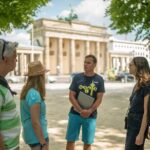
Starting at Pariser Platz: setting your bearings before the heavy stuff
Your tour begins at the Academy of Arts at Pariser Platz 4. This area is a smart starting point because it gives you a sense of Berlin’s layout and symbolism right away. From there, the route moves into stops that explain how Berlin thinks about art, power, and memory—not as abstract topics, but as street-level landmarks.
One of the early moments is a stop described as a hub of artistic expression and creativity, tied to Berlin’s cultural and intellectual story. For me, that works well because it prevents the tour from starting at maximum tragedy. You get context first: Berlin as a place where ideas matter, then you watch those ideas collide with real events.
Reichstag and the glass dome: democracy explained in plain language
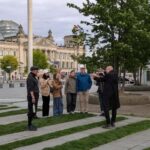
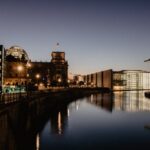
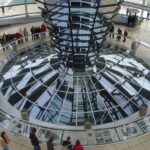
Next up is the Reichstag Building at Platz der Republik, one of Berlin’s most recognizable symbols. The Reichstag is known for its historic role in German democracy and for its iconic glass dome—and this stop is ideal for understanding why the city talks about transparency and civic responsibility the way it does.
A guide-led walkthrough here is useful because it can connect three things quickly:
- what the building represents historically,
- what people associate with the glass dome today,
- and why a democracy-building can sit inside a city that also experienced dictatorship and division.
A note to keep your expectations realistic: the tour data doesn’t say that dome or building entry is included. So plan on seeing it as a landmark stop (and let your guide tell you what makes sense if you want to add any entry ticket separately).
The Memorial to the Murdered Jews of Europe: remembering with context
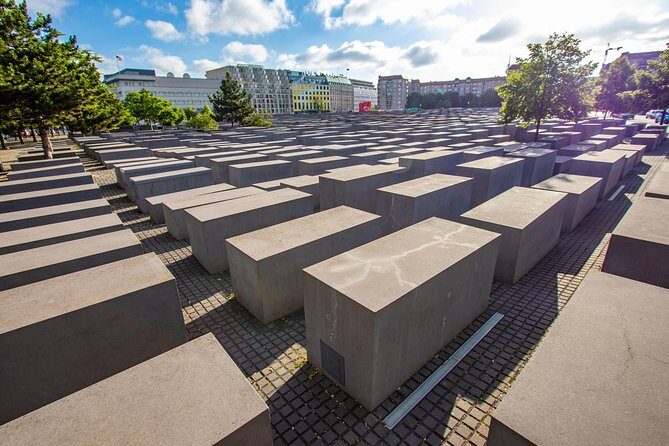
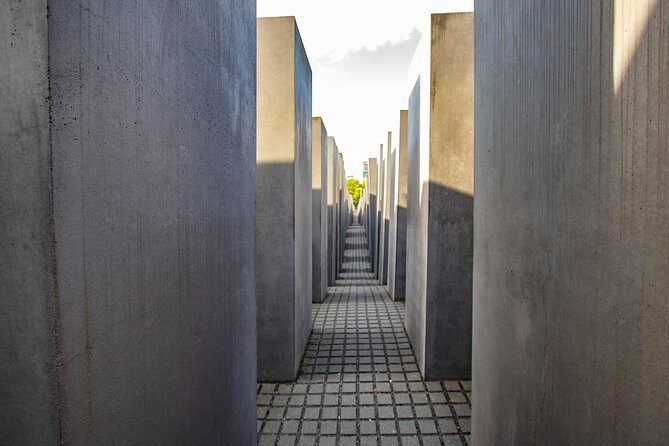
Then you’re at the Memorial to the Murdered Jews of Europe, near Cora-Berliner-Straße. This isn’t a stop you rush through. The whole point is remembrance—and a good guide helps you understand what you’re looking at and why it’s designed the way it is.
What makes this part especially valuable on a private tour is that the guide can calibrate the pace. You can spend more time where you need it, and you can ask practical questions about how memory is presented. It also helps that the route doesn’t treat this as a photo-op stop. You’re meant to absorb the meaning before moving on.
If you prefer quieter tours, this is the section where you’ll feel the most difference. A group that keeps moving quickly can flatten a memorial experience. Here, the tour’s adaptability can help keep it respectful and clear.
Platz des Volksaufstandes von 1953: East German tension in the right frame
After that comes Platz des Volksaufstandes von 1953, a stop tied to the East German uprising during the Cold War era. This is one of those moments where a local guide can change the whole experience. Without context, it might read as just another plaza. With context, you understand it as part of Berlin’s long struggle with political pressure and control.
I like this kind of stop because it shows how the Cold War wasn’t only about big headlines. It was also about local decisions, daily life, and public rebellion. And because it’s a public space, you can imagine the tension without needing to picture it from a book.
You can also read our reviews of more historical tours in Berlin





Former Gestapo and SS headquarters grounds: Nazi terror memorial and museum site
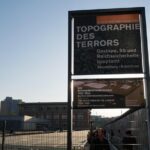
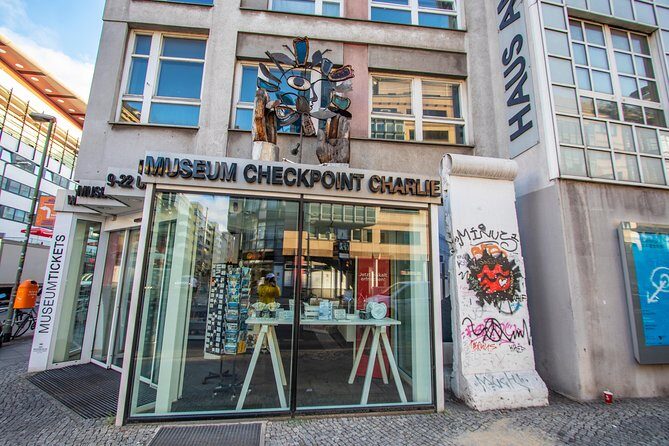
One of the most serious stops on the route is the museum and memorial site located on the grounds of the former Gestapo and SS headquarters. This is where Berlin’s Nazi-era history becomes unavoidably concrete. The grounds are tied directly to terror and persecution, and the site’s purpose is to document and memorialize those events.
On a private tour, this is where the guide’s approach matters most. You want someone who can explain what you’re seeing without rushing, and who can keep the conversation grounded. The value of a tailored itinerary becomes clear here: you can spend longer if you want more detail, or ask for a shorter version if you need emotional breathing room.
Also, remember the note that entry tickets for museums and monuments are excluded. Depending on what you choose to add, you may spend some time on guided exterior context, and some stops may offer more if you decide to purchase entry separately.
A Cold War crossing point: from division to reunification
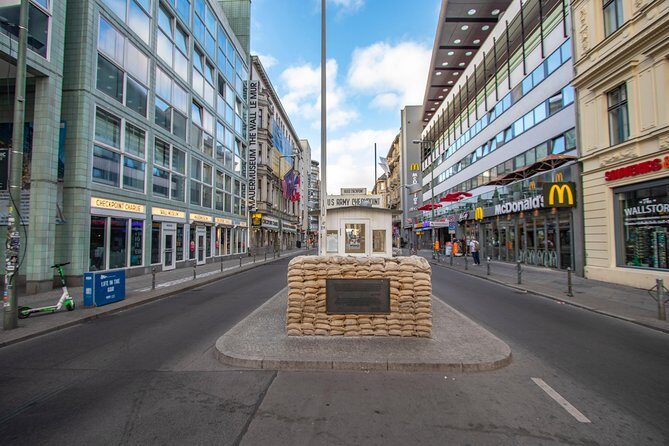
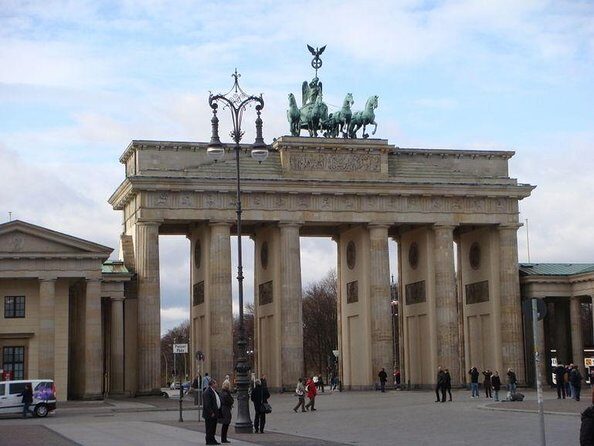
Next is a landmark described as symbolizing the division and eventual reunification of Berlin—once a crossing point between East and West Berlin. Even without getting lost in trivia, this stop is powerful because it puts the Cold War into geography. You can see the physical reality of separation and imagine what it felt like to cross.
I like that the route doesn’t treat reunification as a simple before-and-after. Instead, it frames the landmark as evidence of an entire system: divided institutions, divided neighborhoods, and the constant pressure of politics.
This is also a good photo stop, but I’d treat photos as secondary. The guide’s job is to help you read the place, not just capture it.
A classical square with architectural wow: picture-ready, story-driven
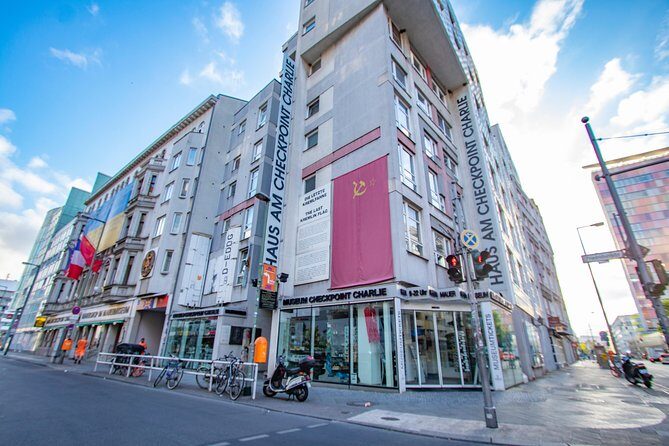
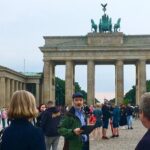
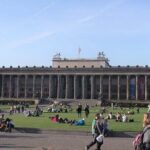
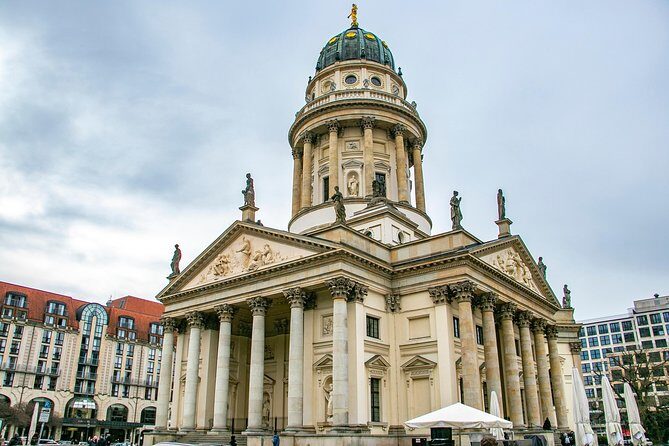
Then you’ll reach a picturesque square in Berlin flanked by architectural masterpieces, which the tour frames as a showcase of the city’s classical beauty and historical grandeur. This is a smart mid-to-late stop because it gives your brain a break after heavier themes.
Squares like this can work two ways on a tour:
- If you rush them, they become a photo break.
- If you slow down, they become part of the story—how Berlin looks, how it built itself, and why architecture carries political and cultural meaning.
Your guide can point out what to notice and how to connect it back to the themes you’ve already heard.
Bebelplatz on Unter den Linden: the book burning that still matters
Next is Bebelplatz on Unter den Linden, described as steeped in history and linked to the infamous Nazi book burning. This stop is one of the clearest examples of Berlin using public space to talk about control of ideas.
What I appreciate here is that it’s not only about the event itself. A solid explanation helps you understand the point: book burnings were about power, censorship, and who gets to decide what society reads and believes. That makes the site relevant today, even if you never leave the sidewalk.
Again, don’t assume museum-style entry is automatic. The tour description is built around guided visits, and entry depends on what you decide to add.
Berlin Cathedral at Am Lustgarten: religion, architecture, and public life
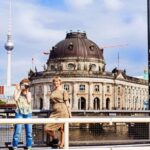
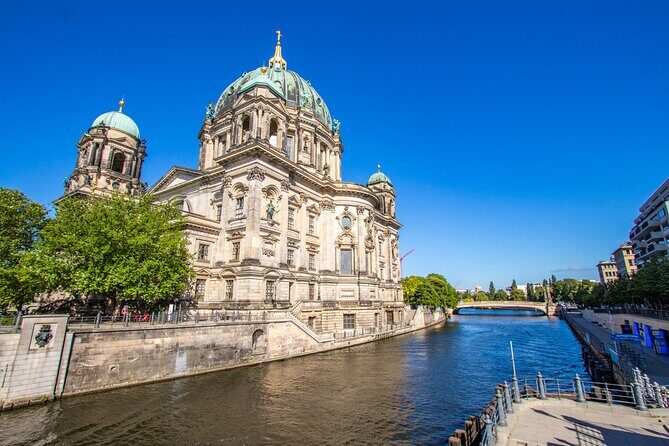
After Bebelplatz, you’ll visit Berlin Cathedral at Am Lustgarten. The cathedral is described as a magnificent example of Berlin’s religious architecture and a key historical and cultural landmark. This is a big visual shift from memorial sites—stone, scale, and design come forward immediately.
This stop tends to land well on private tours because your guide can tailor how much detail you want:
- If you like architecture, you’ll get help noticing structure and style.
- If you’re more interested in history, you’ll get the cathedral’s place in the city’s story.
And if you’re feeling memorial-fatigued, this can feel like a reset, as long as you keep the respect level high. It’s still a landmark with meaning; it’s just a different kind of meaning than a museum memorial.
Nikolaiviertel ending at Rathausstraße: a calmer, older-feeling finish
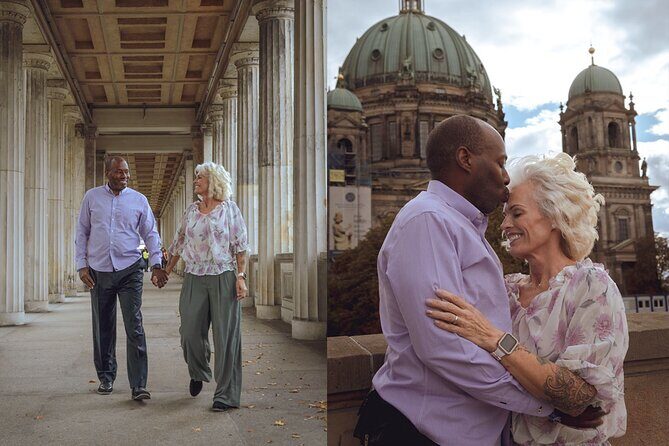
Your tour finishes in Nikolaiviertel at Rathausstraße 21—the historical heart of Berlin. This part is described as offering a glimpse into medieval origins with traditional buildings and charming streets.
That ending is surprisingly useful. After a route heavy on democracy, terror, and division, Nikolaiviertel gives you a chance to walk slower and absorb the city’s atmosphere without needing to process as much emotionally. If you like continuing on your own afterward, this finish helps you transition from guided explanation to free wandering.
Price and value: what $151.41 gets you in real terms
At $151.41 per person for about two hours, this tour looks pricier than a group bus tour. But the price makes sense when you match it to what you’re paying for:
- Exclusivity: only your group participates, which usually means more attention from the guide.
- Local host expertise: you’re getting someone who knows how to connect sites into a clear narrative.
- Tailored itinerary: the guide adjusts to your interests and walking pace, which is hard to buy on generic tours.
- Mobile ticket: convenience matters in a city where schedules and meeting points can make or break the morning.
The main cost consideration isn’t the base price—it’s what you may add. Entry tickets for transportation, museums, and monuments are excluded, plus personal expenses. If you want every site to include paid entry, your total budget should be higher than the headline price.
Still, for a two-hour historical route, the value is strong if you want a guided explanation and don’t want to spend your day piecing things together on your own.
Who this tour suits best (and who might want a different plan)
This is a great match if you want a concentrated slice of Berlin’s big themes:
- How Germany frames democracy today (Reichstag).
- How Berlin handles Holocaust remembrance with care (the memorial).
- How the city remembers Nazi terror and oppression (the former Gestapo and SS grounds).
- How Berlin experienced division and reunification (Cold War crossing landmark).
- How the city ties politics to public ideas (Bebelplatz and Unter den Linden).
- How classic landmarks still shape the city’s identity (Bebelplatz, cathedral, and classic square).
It’s also a good pick for people who like walking and dislike the feeling of being rushed. Since the route adapts to your walking pace, you’re less likely to feel trapped in a fixed script.
One caution: it’s not recommended for guests with impaired mobility. The walking nature and typical city sidewalks won’t match everyone’s needs.
Should you book this private Historic Berlin tour?
If you want a guided, story-driven Berlin walk that covers democracy, remembrance, and Cold War history in just two hours, this is a smart booking. The private format and the fact that the itinerary is tailored are the main reasons to choose it over standard big-group tours.
I’d book it if:
- you want expert context without spending a whole day hopping between locations,
- you care about understanding what each landmark means,
- and you’re okay with paying extra only if you decide you want museum or monument entries.
I’d skip it or reconsider if:
- you need full accessibility support,
- or you’re looking for a tour that guarantees paid entries at every stop.
FAQ
How long is the Historic Berlin private tour?
It runs for approximately 2 hours.
How much does it cost per person?
The price is $151.41 per person.
Is the tour offered in English?
Yes, it’s offered in English.
Is this tour exclusive and private?
Yes. It’s an exclusive private tour, and only your group participates.
What’s included in the tour?
Included items are a local host, the exclusive private tour, and a tailored itinerary.
What is not included?
Personal expenses aren’t included. Also, entry tickets for transportation, museums, and monuments are excluded.
Where does the tour start and end?
It starts at Academy of Arts, Pariser Platz 4, 10117 Berlin, Germany, and ends in Nikolaiviertel, Rathausstraße 21, 10178 Berlin, Germany.
When will I get confirmation after booking?
Confirmation is received at the time of booking.
Is cancellation free?
Yes, you can cancel for a full refund up to 24 hours in advance.
Is the tour suitable for everyone?
Most people can participate. Service animals are allowed, and it’s near public transportation, but it is not recommended for guests with impaired mobility.