REVIEW · BERLIN
Berlin: Third Reich and World War II Private Guided Tour
Book on GetYourGuide →Operated by TourUpinEurope · Bookable on GetYourGuide
Berlin has the kind of history that won’t sit quietly.
This private Berlin WWII tour strings together the Third Reich’s rise and collapse through major, photo-worthy sites, with a pro guide who keeps the story clear. I like that you get a personalized walkthrough (private group), and I especially like how the route mixes political power and real-world aftermath. One thing to keep in mind: there’s a lot of walking in 3 hours, and entrance fees aren’t included, so you’ll want to budget time (and money) for those.
You’ll spend a compact afternoon moving between landmarks that force you to look at the 20th century from the inside out.
Still, this is a heavy subject, and not every stop is meant for quick, casual sightseeing—give yourself the pace your guide sets. Also, flash photography isn’t allowed in certain places, so plan on regular camera shots without the strobe.
In This Review
- Key things to know before you go
- Brandenburg Gate to the Reality Check
- Guided time at the Reichstag: seeing power up close
- Soviet War Memorial Tiergarten: Berlin changes hands
- Holocaust Memorial: a place to slow down
- Hitler’s Bunker: the story behind the ground
- Topography of Terror: Nazi systems explained on foot
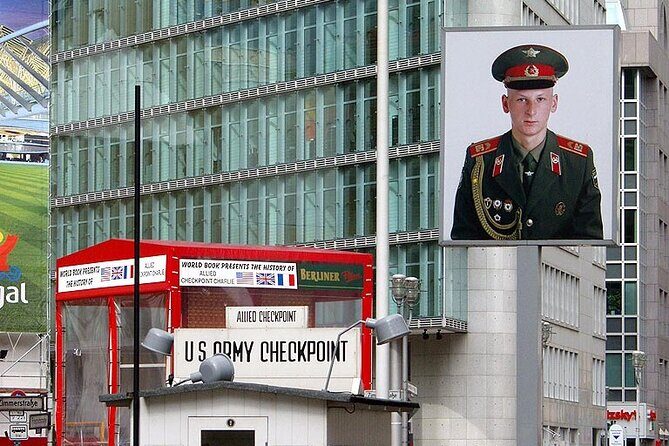
- Finish at Wall Museum – Checkpoint Charlie
- Timing, walking pace, and photo reality in 3 hours
- Value: what you’re really paying for at $224 per person
- Languages and who this tour suits best
- A quick note on guide reliability
- Should you book this Berlin Third Reich tour?
- FAQ
- How long is the Berlin Third Reich and World War II private guided tour?
- Where does the tour start?
- Which landmarks are included on this tour?
- What’s included in the tour price?
- Are entrance fees included?
- What languages are available for the live guide?
- Is flash photography allowed?
- Is the tour suitable for children?
- Is it wheelchair accessible?
Key things to know before you go
- Reichstag + Holocaust Memorial + Hitler’s Bunker in one tight 3-hour loop, guided the whole way
- Private group format for questions and a more flexible pace
- Start at Brandenburg Gate and end near Checkpoint Charlie for a clean “then and now” flow
- Topography of Terror is included, adding context around Nazi power and the machinery of repression
- Flash photography restrictions apply inside some landmarks, but standard photos are fine
- Entrance fees aren’t included, so the sticker price won’t be the whole total
Brandenburg Gate to the Reality Check
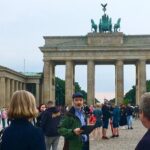
Starting your tour near Brandenburg Gate is a smart move because it immediately places you in Berlin’s big, political theater. This is one of the city’s best-known symbols, and your guide uses it as a launching point for how the Third Reich shaped everyday life and public space.
I like this opener because it doesn’t treat the Nazi era like a history lesson sealed in a textbook. You’re in the middle of the city, and the guide’s job is to connect what you see outside to what was happening then. That approach is great if you want more than facts—you want the logic of how power took hold.
One practical note: the tour is only 3 hours. That means you’ll move with purpose. Wear comfortable shoes and keep your water handy.
You can also read our reviews of more guided tours in Berlin


Guided time at the Reichstag: seeing power up close
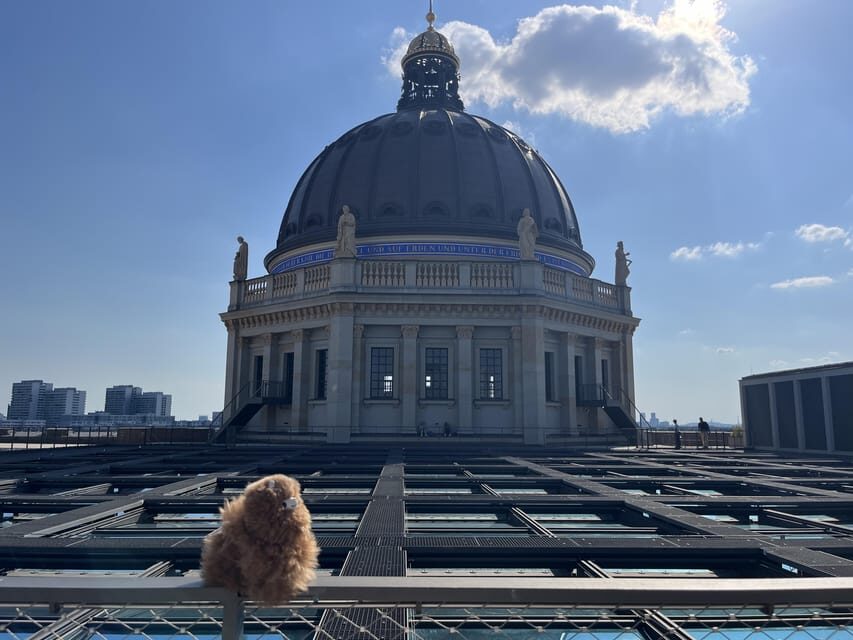
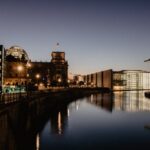
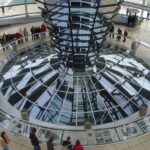
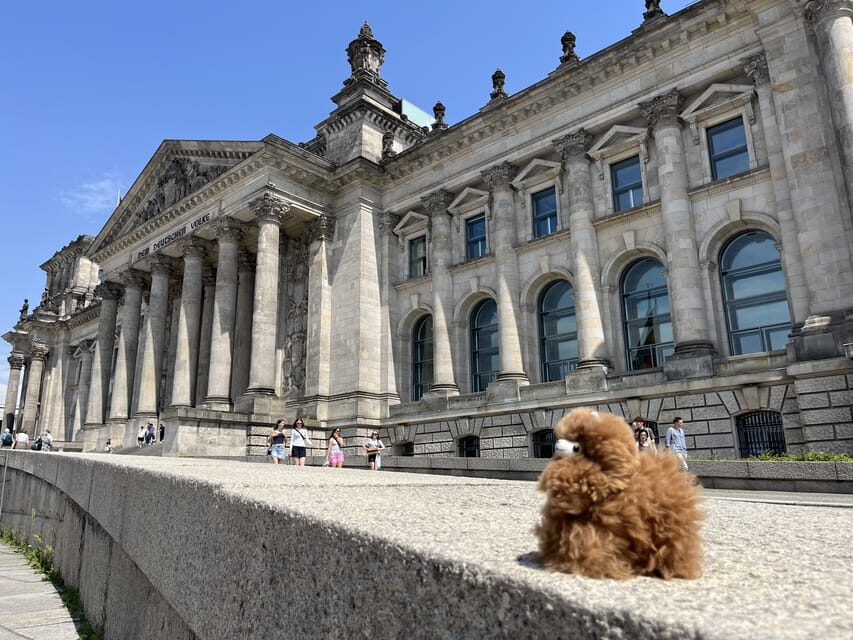
Your next stop is the Reichstag, and your guide’s walkthrough is where the building starts feeling less like architecture and more like a character in the story. The Reichstag is tied to the public face of government, so it’s a natural place to talk about how ideology turned into control.
What I’d aim for here: slow down for photos, but don’t let the camera steal your attention. The best moments at the Reichstag are usually the ones where your guide points out how the setting shaped perception—what people saw, what they believed they were watching, and how quickly that shifted.
Also, since the tour is private, you’re more likely to get answers to the questions that pop up mid-walk. If you’re the kind of person who asks why something happened, this format helps you keep momentum without getting lost in group logistics.
Soviet War Memorial Tiergarten: Berlin changes hands
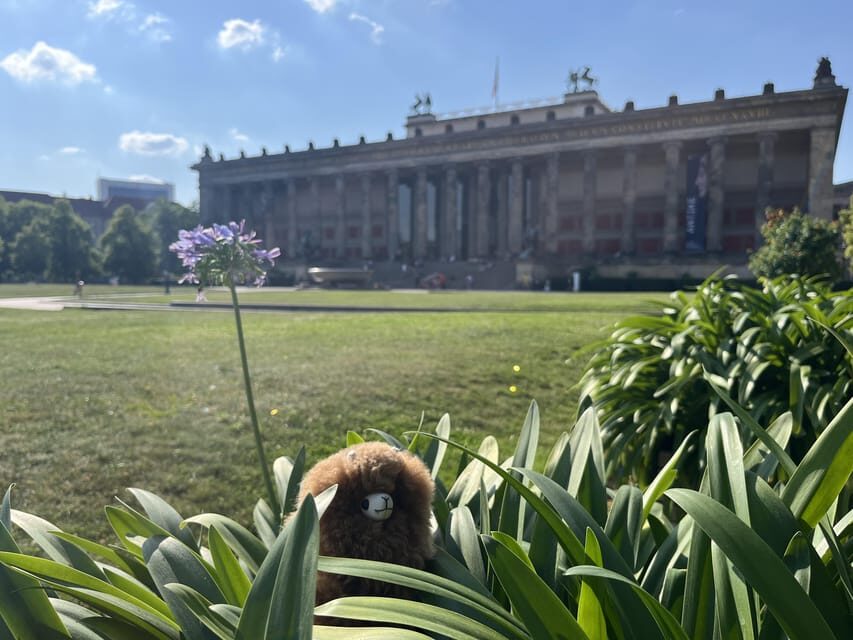
Next you’ll visit the Soviet War Memorial in Tiergarten with guided commentary. This stop matters because World War II in Berlin wasn’t just about the fall of one regime—it was also about the arrival of new forces and the reshaping of the city’s meaning.
If you’ve only read the war from one angle, this part helps balance the picture. Your guide can frame how different sides interpreted victory and loss, and how memorials become political statements long after the fighting stops.
A consideration: this is still a walking tour with scheduled guided time at each landmark. So while you may feel tempted to linger, try to follow your guide’s pacing. You’ll get more out of it when the story stays in sequence.
Holocaust Memorial: a place to slow down
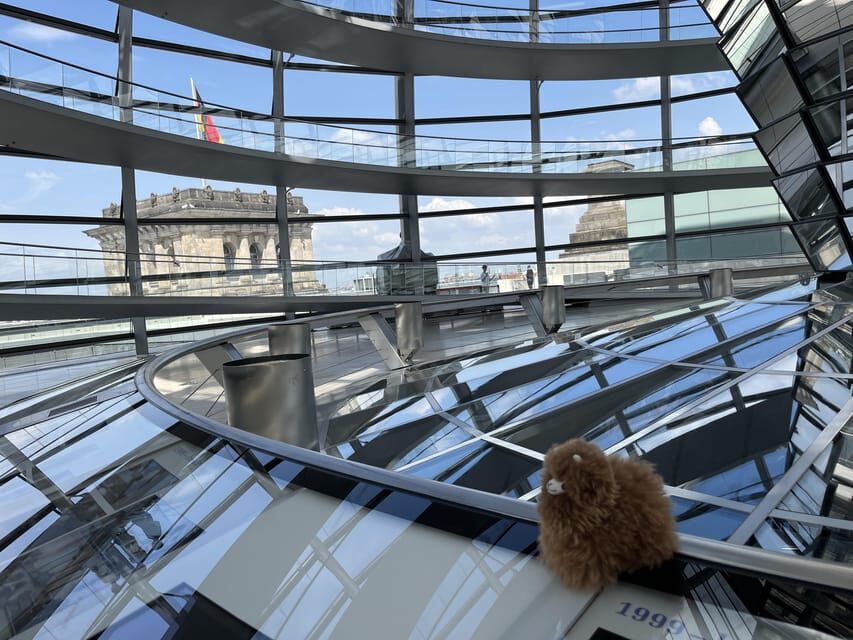
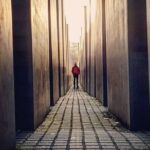
The Holocaust Memorial is one of the most emotionally intense stops on the route. Your guide’s job here is to help you look without turning the moment into a quick photo stop. Even if you’ve visited before, guided context can change how you understand the space—what it asks of you, and why silence and reflection are part of the design.
I suggest you treat this as your “reset” moment. Put your camera away for a minute. Then take a few photos if you want, but keep them respectful and not rushed.
One more practical tip: there are rules around photography—flash is not allowed inside certain landmarks. That matters more than people think. If you usually rely on a flash for night shots, you’ll want to adjust your settings before you arrive.
Hitler’s Bunker: the story behind the ground
Then comes Hitler’s Bunker. This is the kind of stop that can feel like a contradiction: it’s part of Berlin history, but there’s an eerie distance between the war’s scale and the human size of the place. With a guide, you’re not just collecting a location—you’re hearing how events unfolded and why the Third Reich’s end didn’t happen all at once.
This section is valuable if you want the “how did it get that bad?” thread. Many tours focus on dates; this one is built around connecting the rise and fall to Berlin’s real geography. That connection helps the history stick.
Because this is a guided walk through heavy material, it’s also where your question instincts will pay off. If your guide offers multiple angles—political, social, or military—let them choose the direction. The best tours don’t flatten history into one theme; they show how people experienced it differently.
You can also read our reviews of more private tours in Berlin



Topography of Terror: Nazi systems explained on foot
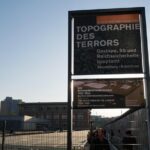
After the bunker area, you’ll visit Topography of Terror with guided time. The title alone tells you what the tour wants you to understand: the terror wasn’t abstract. It had offices, procedures, and physical spaces that made oppression routine.
I like that this stop typically gives you the cause-and-effect connection between power and consequences. You can start to see how the Third Reich didn’t just rely on ideology—it relied on systems that moved through institutions, paperwork, surveillance, and enforcement.
Since we’re staying inside a 3-hour window, your guide likely keeps this part focused. That’s good. You’ll leave with a clearer mental map for what to study next, rather than information overload.
Finish at Wall Museum – Checkpoint Charlie
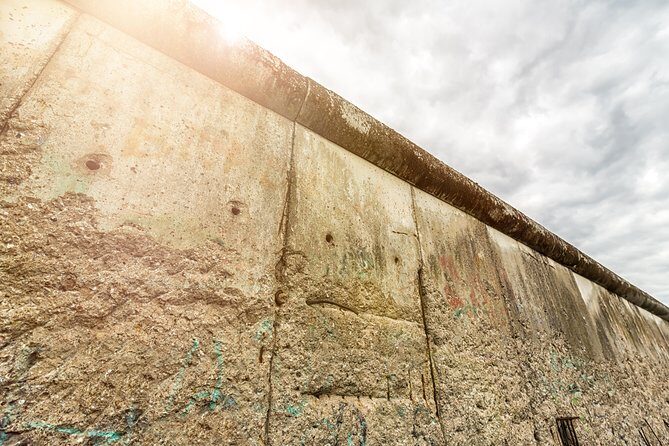
Your tour ends at the Wall Museum – Checkpoint Charlie. That finish point is more than convenient—it helps you close the WWII story with a Cold War bookmark. Berlin didn’t simply move on after World War II. The city kept being used as a stage for competing systems and narratives.
This stop can feel a little lighter compared to what comes before, but don’t treat it as a break from meaning. Your guide can help you see it as an extension: how Berlin became a symbol, again and again, for power struggles.
If you want a simple next step afterward, this ending works well. You’re in a central area for continuing your day with other sights, meals, or just a long walk to let the timeline settle in your head.
Timing, walking pace, and photo reality in 3 hours
The whole tour runs about 3 hours, which is both a strength and a constraint. It’s strong because you can fit it into a first or second day in Berlin without surrendering your entire afternoon. It’s a constraint because you can’t expect slow browsing at every location.
Expect a significant amount of walking. Plan on:
- Comfortable shoes (non-negotiable)
- A camera ready for daytime shots
- Water, since meals and drinks aren’t part of the tour
- Weather-appropriate clothing (Berlin weather loves surprises)
On photos: photography is allowed, but flash photography is not permitted inside certain landmarks. This is worth thinking about before you go. If you rely on flash in museums or indoor memorial spaces, you may end up with disappointing photos—or get slowed down dealing with rules.
Also, keep bags in mind. Large bags or luggage may not be ideal due to walking.
Value: what you’re really paying for at $224 per person
At $224 per person for a private guided tour, you’re not just buying access to landmarks. You’re paying for a guide to turn a handful of famous sites into a connected story.
Here’s what the price includes:
- a professional multilingual guide
- historical insights and stories
- a private group so the pacing can match your curiosity
And here’s what the price does not include:
- entrance fees to attractions
- meals and drinks
- transportation to/from the activity
So the value question becomes simple: do you want a guided narrative tying together the Reichstag, Holocaust Memorial, Hitler’s Bunker, and Topography of Terror in one run? If yes, the price starts making sense—especially because many solo-or-casual self-guided options force you to do the connecting work yourself.
If you’re the type who prefers to read independently and move at your own speed, you might question whether private guiding is worth it. But if you like your history explained out loud—clearly, in real time—this format is built for that.
Languages and who this tour suits best
The tour guide is available in English, German, Russian, French, Spanish, and Italian. That matters because history tours can be uneven when the language barrier is weak. A guide who can explain nuance at the pace you need can change the whole experience.
This is a good fit for:
- history buffs who want the major Berlin WWII sites connected
- curious travelers who like walking tours with context
- anyone who wants a private group rather than shared commentary
It’s not a great fit for:
- children under 10
- people with mobility impairments
- wheelchair users
That last point is worth highlighting because the activity is also listed as wheelchair accessible. With that contradiction, you should confirm directly what the route and on-site access will be like for your situation.
A quick note on guide reliability
Most of the feedback I see emphasizes strong guiding and professionalism—one guide named Sven gets called out as punctual and professional. That’s exactly what you want for a tour with multiple scheduled stops.
Still, there’s an outlier issue in the wider feedback pattern: a report of a guide not showing up. The practical takeaway is simple: confirm your exact meeting spot and timing the day before, and plan a quick buffer in your schedule so you’re not stuck with a stressed itinerary.
Should you book this Berlin Third Reich tour?
I think this is worth booking if you want a private, guided Berlin WWII experience that hits the biggest WWII landmarks in a concentrated 3-hour span. The structure makes it easy to grasp the rise and fall story without turning your day into a scavenger hunt.
Book it if:
- you want a connected narrative instead of isolated sights
- you value a professional multilingual guide
- you’re comfortable with a guided walk and respectful memorial pace
Skip it or consider another option if:
- you’re not up for walking and time-on-feet
- you want long self-directed stops without guidance
- your schedule depends on guaranteed exact timing with no slack (because rare disruptions can happen anywhere)
If you do book, remember that entrance fees and transportation aren’t included, and flash photography isn’t allowed inside certain landmarks. Do that homework and you’ll get a tour that feels focused, not rushed.
FAQ
How long is the Berlin Third Reich and World War II private guided tour?
The tour lasts about 3 hours.
Where does the tour start?
You meet next to the Hotel Adlon Kempinski Berlin.
Which landmarks are included on this tour?
The guided stops include the Reichstag, Soviet War Memorial Tiergarten, Holocaust Memorial, Hitler’s Bunker, and Topography of Terror, with the tour finishing at the Wall Museum – Checkpoint Charlie.
What’s included in the tour price?
The tour includes a professional multilingual guide, historical insights and stories, and a private group experience.
Are entrance fees included?
No. Entrance fees to attractions are not included.
What languages are available for the live guide?
The live guide is available in English, German, Russian, French, Spanish, and Italian.
Is flash photography allowed?
Flash photography is not allowed inside certain landmarks, although photography is generally allowed.
Is the tour suitable for children?
The tour is not suitable for children under 10 years old.
Is it wheelchair accessible?
The activity is listed as wheelchair accessible, but it also states it is not suitable for wheelchair users and people with mobility impairments. You should confirm the exact route and access details before booking.