REVIEW · BERLIN
Third Reich and the Holocaust in Berlin Private Guided Tour
Book on GetYourGuide →Operated by Rosotravel Germany · Bookable on GetYourGuide
Berlin keeps its scars in plain sight. This private Third Reich and Holocaust walking tour connects major Nazi-era locations to the places where memory still hits hard. I especially liked the focus on telling the story in a human, chronological way, and the fact that you get a licensed, language-fluent guide instead of generic audio facts. One thing to consider: the subject matter is heavy, and you’ll spend hours walking through sites tied to mass murder and wartime terror.
Berlin is one of the best places in the world to understand how Nazi power worked, day by day, and how propaganda and policy turned into violence. If you want your history to feel grounded in the actual streets and buildings, this format works well because the guide can explain what you’re seeing as you go. The tour is built for your pace, but you should plan for long, quiet moments and slower steps when needed.
In This Review
- Key Things That Make This Tour Worth Your Time
- Berlin’s Old Town Turns History into Walkable Evidence
- Topography of Terror: Nazi Power in the Former Gestapo and SS Setting
- Potsdamer Platz, Brandenburg Gate, and the Reichstag Fire Story
- Memorial Grounding: The Murdered Jews Memorial and the Soviet War Memorial
- The 5-Hour Version Adds Friedrichstraße, Deportation Memory, and the Jewish Quarter
- Otto Weidt’s Blindenwerkstatt Museum: A Thread of Human Response
- Private Guide in Your Language: Why It Changes Everything
- Price and Value: Is $219 per Person Fair?
- Practical Tips: Meeting Point, Timing, and How to Prep
- Who This Tour Fits Best
- Should You Book This Tour of the Third Reich and Holocaust in Berlin?
- FAQ
- How long is the private tour?
- What does the tour include in the 5-hour option?
- What are the main places you’ll see?
- Is this tour private?
- Which languages are available?
- Where do I meet the guide?
- Is the pace flexible?
- What should I do the day before the tour?
- Is there a cancellation policy?
- What’s the price?
Key Things That Make This Tour Worth Your Time
- Topography of Terror links Nazi power and Holocaust atrocities inside the former Gestapo and SS setting
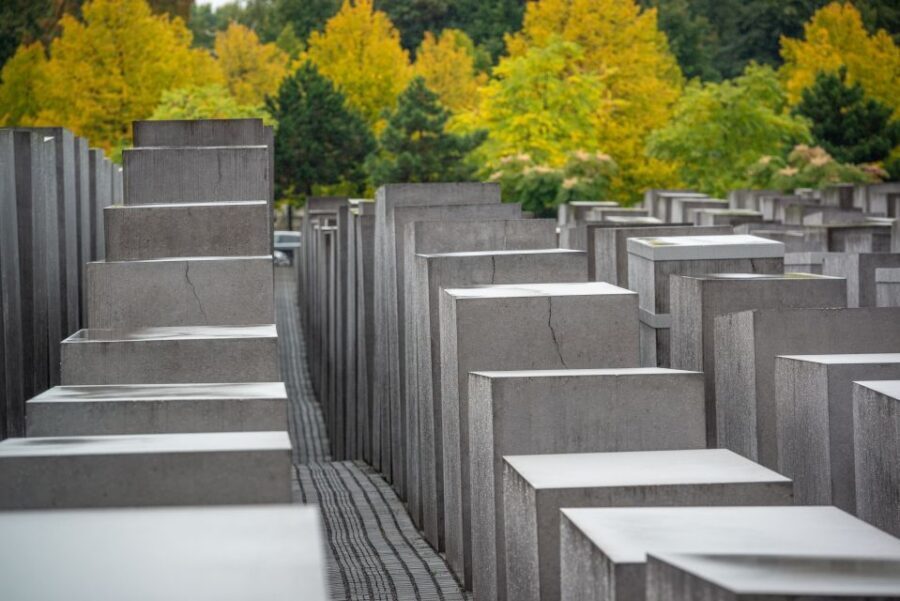
- Memorial to the Murdered Jews of Europe gives you a guided sense of scale and meaning, not just a photo stop
- Brandenburg Gate and Reichstag show how Nazi leaders used iconic spaces for public messaging
- 5-hour route adds Friedrichstraße and children’s deportation memory through Trains to Life–Trains to Death
- Otto Weidt’s Blindenwerkstatt adds a stark, personal angle through the story of blind and deaf Jewish workers
- Private pacing in your language helps you ask questions without time pressure
Berlin’s Old Town Turns History into Walkable Evidence
Berlin isn’t a museum-only city. Streets, facades, and monumental spaces are part of the lesson, and the tour uses that to keep the story anchored. You’ll move through the Old Town with the goal of understanding how Nazi power grew, how it functioned, and how Berlin changed as World War II unfolded.
What I like about this approach is that it stops history from feeling like a textbook chapter. You’re not just learning dates; you’re seeing how public space can be repurposed for propaganda and control. And because it’s private, your guide can adjust the emphasis if you care more about the political process, the war timeline, or the Holocaust memorial sites.
One practical note: since this is a walking tour, you’ll want comfortable shoes and a plan for mental breaks. You don’t have to rush to “keep up.” The whole point is to let the guide set a pace that works for you.
You can also read our reviews of more guided tours in Berlin

Topography of Terror: Nazi Power in the Former Gestapo and SS Setting

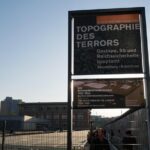
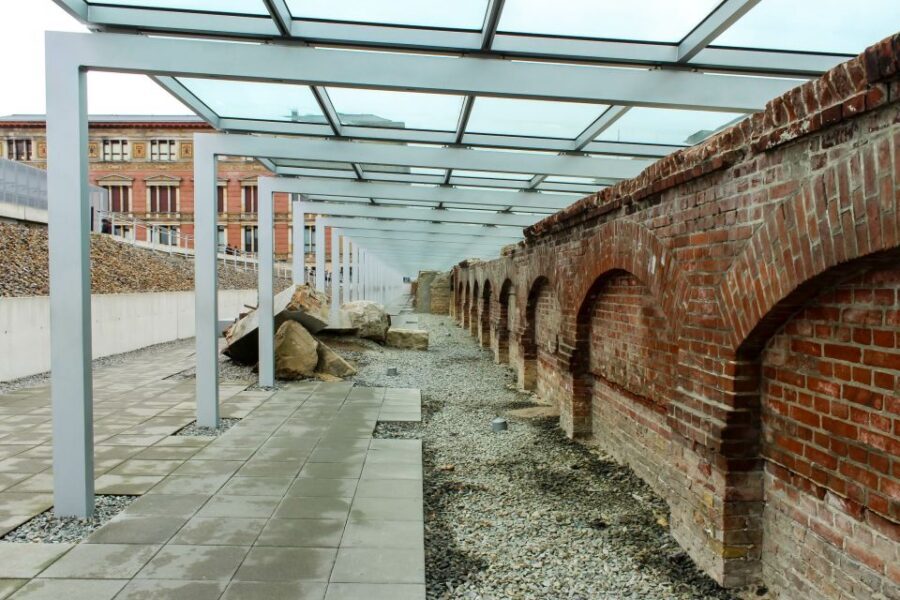
The tour begins at the Topography of Terror, which is one of the most effective places in Berlin for starting the story. It lays out how the Nazi Party moved from ambition to control, and it documents the atrocities connected to the Holocaust. The museum setting matters because you’re looking at the history where the terror apparatus operated.
Inside, you can expect a guided walkthrough that connects individuals, policies, and turning points. That’s the difference between reading panels and having someone explain what the information is trying to prove. A strong guide helps you connect propaganda themes to real-world actions, so you can see the logic that produced catastrophe.
This stop can feel intense, and that’s normal. The key is that you’ll have context as you go in, not after. If you tend to get overwhelmed, a private guide helps because they can slow down, clarify, or focus on what you want to understand most.
Potsdamer Platz, Brandenburg Gate, and the Reichstag Fire Story
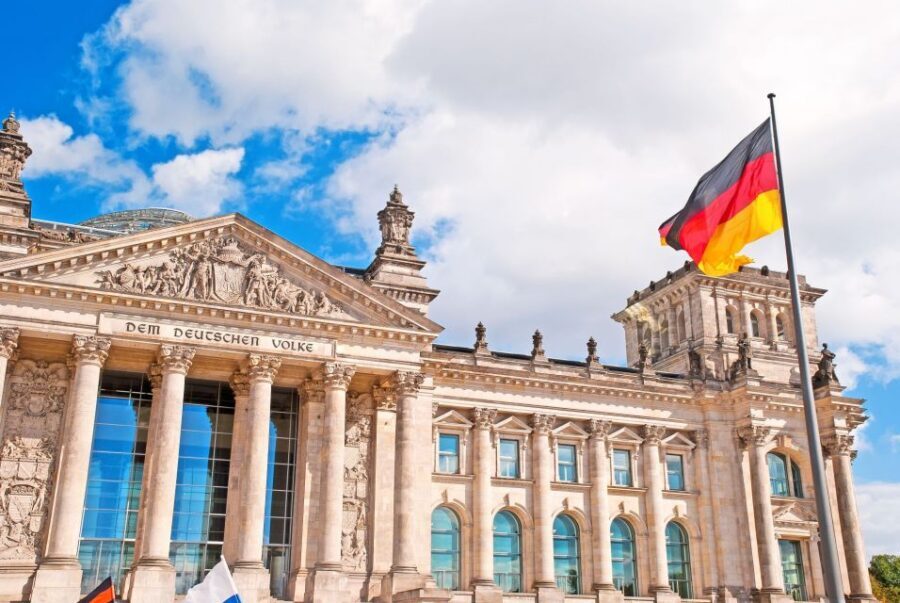
After the museum, the walk shifts into the kind of street-level history Berlin does so well. Potsdamer Platz is a major landmark for the late-war and immediate post-war picture, because it reflects how Allied zones intersected as Berlin was liberated. You’re not just seeing a busy square here; you’re learning why the map mattered.
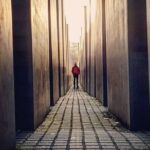
Then you move toward the Memorial to the Murdered Jews of Europe, which is where the tour’s tone becomes less about politics and more about remembrance. Your guide will help you understand what the memorial represents: the six million Jewish victims of the Holocaust. It’s easy to treat this as a quick photo stop, but a guided visit tends to slow you down in the best way.
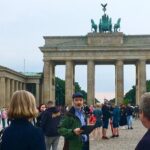
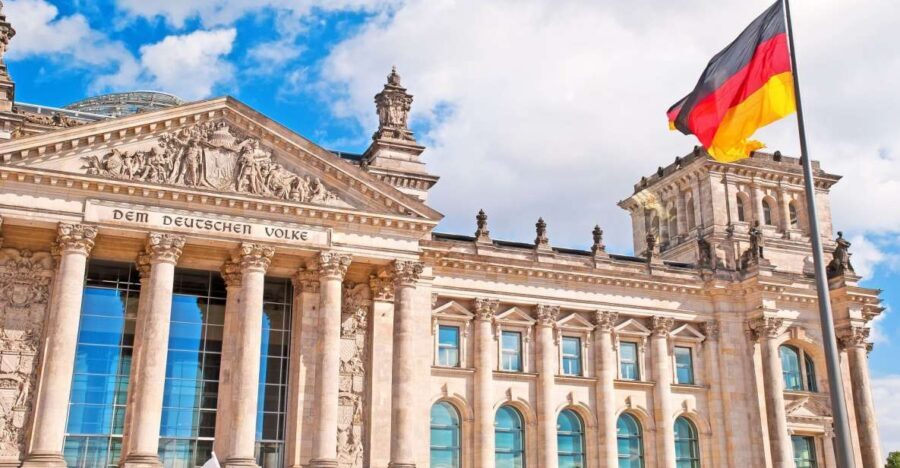
From there, the tour includes the Brandenburg Gate—famous as an architectural icon, but also used by the Nazis as a stage backdrop for propaganda rallies. This is one of those moments that makes the history feel unsettlingly close to the present. You’ll likely notice how easily symbolism can be redirected once a regime controls public messaging.
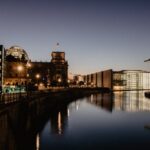
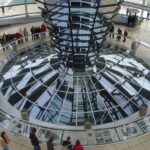
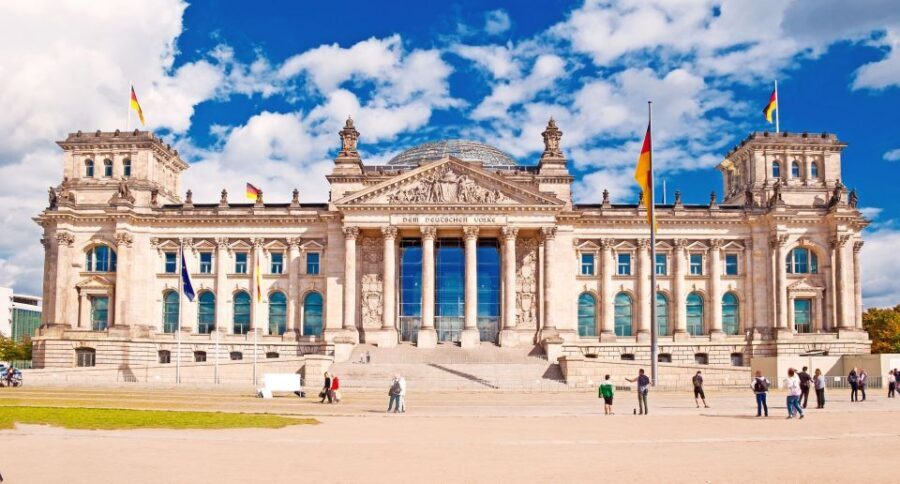
The Reichstag building stop ties into the 1933 arson and the way events were used to reshape power. The guide’s job here is to show you what happened around the fire, and why it mattered politically. The result is a clearer understanding of how emergency, fear, and propaganda can be weaponized.
If your interest is in how governments manipulate public space, this sequence will hit that theme hard.
Memorial Grounding: The Murdered Jews Memorial and the Soviet War Memorial
Berlin holds multiple layers of commemoration, and this tour places them in a meaningful order. The Memorial to the Murdered Jews of Europe is one anchor point—somber, central, and not designed for quick consumption. You’ll get live commentary to help you interpret what you’re looking at, which is important because memorials don’t always explain themselves.
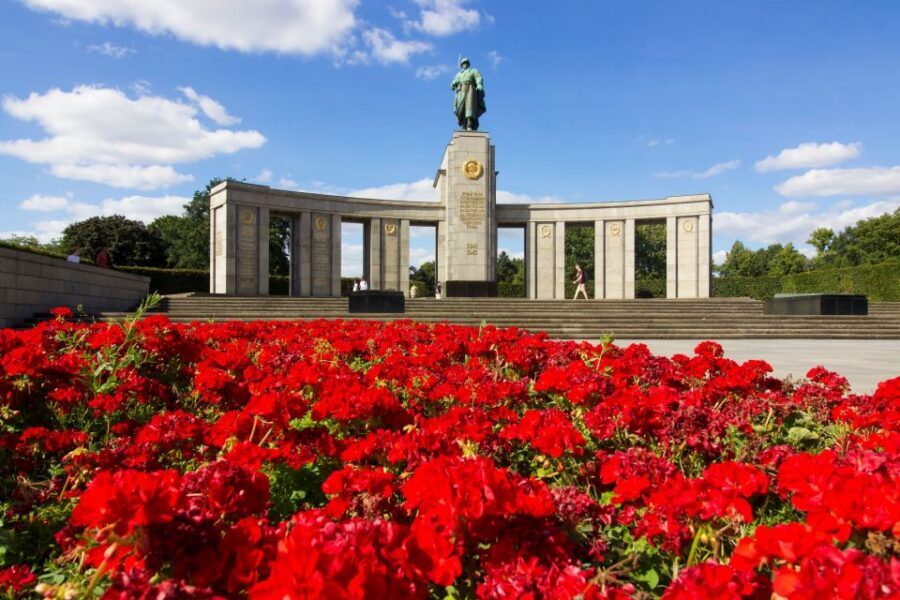
At the other end of the walk, you’ll finish at the Soviet War Memorial, one of several memorials erected by the Soviet Union to commemorate its war soldiers. This stop adds a different historical lens: wartime suffering and commemoration after the fall of the Nazi regime.
That balance is useful. You get the story of Nazi terror and Holocaust memory, but you also see how different powers in Berlin presented their own wartime narrative through memorials. A private guide can help you hold both realities without mixing them up.
The 5-Hour Version Adds Friedrichstraße, Deportation Memory, and the Jewish Quarter
If you choose the full 5-hour option, you’ll see more of the city’s Jewish history geography and more Holocaust-linked memory sites. This matters because the 3-hour focus can be tight, while the longer version lets the guide connect themes across neighborhoods.
You’ll go to Friedrichstraße, one of Berlin’s most famous streets. Streets like this help you understand Berlin as a living city under strain, not just a set of monuments. In many WWII narratives, the city becomes a backdrop; on this tour it stays part of the story.
A standout added stop is the monument Trains to Life–Trains to Death, which commemorates children who were murdered during the Holocaust. This is the kind of site that can be emotionally difficult, but the guide’s context helps. You’re not only seeing a memorial; you’re learning what it represents and why children specifically were targeted through the machinery of deportation and persecution.
You’ll also explore areas around Spandauer Vorstadt and the Jewish Quarter, including the location of the surviving New Synagogue. Even when you’re not inside, this area helps you connect the pre-war Jewish community presence with what survived, what was destroyed, and what memory remains.
The value of the extra time is that you get less “run between highlights” energy. Instead, you get a fuller thread that connects street to story.
You can also read our reviews of more private tours in Berlin



Otto Weidt’s Blindenwerkstatt Museum: A Thread of Human Response
One reason people choose the 5-hour itinerary is the visit to Otto Weidt’s Blindenwerkstatt Museum. This stop tells the story of Otto Weidt, who employed mostly blind and deaf Jewish workers in his workshop during World War II.
That detail changes the emotional texture of the tour. Holocaust history can feel only like a story of systems and victims. This museum adds a different kind of lesson: how individuals tried to help people survive, even under extreme danger. It’s still sober, still grounded in real suffering, but it doesn’t leave you staring only at power and cruelty.
If you care about the moral choices people made in impossible circumstances, this part will land. It also complements the memorials because it adds something specific and concrete: work, daily life, and the effort to protect vulnerable people.
The museum visit is included in the 5-hour option, but not in the shorter version. So if Otto Weidt’s story appeals to you, don’t accidentally pick the shorter tour length.
Private Guide in Your Language: Why It Changes Everything
This tour is private, and that matters more than it sounds. You get a 5-star licensed guide who is fluent in your selected language (English, French, Russian, Spanish, Italian, German, or Polish). When the topic is complex and emotionally intense, having clear explanations in your own language reduces frustration and helps you absorb the details correctly.
I also like that the tour is tailored to your needs, interests, and pace. That means you can ask questions that matter to you instead of accepting a fixed script.
The guide quality is a major factor, and the feedback shows it. I’ve seen examples of guides like Silvia, described as a historian specialized in World War II, and Gunnar, noted as an excellent guide who made the walk enjoyable while still teaching. Another example is Manfred, praised for bringing the city’s story across in a relaxed conversation. Even if you don’t know who you’ll get, this pattern suggests you’re in the hands of real specialists rather than generic guides.
Price and Value: Is $219 per Person Fair?
At $219 per person for a 5-hour private tour, you’re paying for three things: the guide’s expertise, the private format, and a long route covering several major sites. In Berlin, top memorial and museum areas can be costly if you stack entry tickets, taxis, and multiple guided segments. Here, the value is that one guide stitches the story together while you walk.
You also get language support. A guided experience in the right language can be worth real money when you’re dealing with historical detail and emotionally loaded material. If you’re traveling with a small group or you want to move at your own speed, private pricing often starts to look more reasonable.
If you’re someone who prefers to read quietly on your own, a cheaper self-guided approach might suit you. But if you want context while you’re standing in front of the evidence, this price is easier to justify.
Practical Tips: Meeting Point, Timing, and How to Prep

You’ll meet your guide at Typisch Berlin cafe, Wilhelmstraße 42, 10963 Berlin. The key detail is that you should not enter the cafe; it’s just the meeting point, and the staff won’t know about the tour.
This tour is built for a smooth walk through central areas. Still, do yourself a favor: plan for a long sitting-and-standing day at museum sites and memorial spaces. Dress for walking, and keep water handy if you tend to get tired.
Also, check your email the day before the tour. You’ll receive important information there. It’s the kind of step people skip and then regret, so set a quick reminder.
Finally, keep your expectations realistic. This is not a fun sightseeing loop. It’s a serious historical route, and the best outcome is better understanding, not distraction.
Who This Tour Fits Best
You’ll probably love this if you:
- Want a private guide who can explain Nazi-era history and Holocaust memory as you see the sites
- Prefer walking routes with live interpretation over reading alone
- Care about how propaganda and politics changed public life in Berlin
- Choose the 5-hour option for the added Friedrichstraße, Trains to Life–Trains to Death, and Otto Weidt’s story
You might think twice if you:
- Have very limited mobility or can’t manage a long walk (this tour is described as a walking tour)
- Know you’re likely to feel emotionally overwhelmed by Holocaust-related sites without extra support
Should You Book This Tour of the Third Reich and Holocaust in Berlin?
If you’re going to Berlin for history, booking this is a smart way to structure your learning. The combination of Topography of Terror, major symbolic sites like Brandenburg Gate and Reichstag, and Holocaust memorial focus makes it a strong backbone for a Berlin trip. The 5-hour option adds the memory sites and the Otto Weidt museum visit, which deepen the story beyond the headline landmarks.
I’d book it when you want clarity and context more than casual sightseeing. And if language matters to you, the ability to get live commentary in your chosen language is a practical advantage.
FAQ
How long is the private tour?
The tour duration is 5 hours for the extended option.
What does the tour include in the 5-hour option?
In the 5-hour option, you visit the Topography of Terror and several key Old Town stops, and you also include the Jewish Quarter and a visit to Otto Weidt’s Blindenwerkstatt Museum.
What are the main places you’ll see?
You can expect stops that include Topography of Terror, Potsdamer Platz, the Memorial to the Murdered Jews of Europe, Brandenburg Gate, the Reichstag building, and the Soviet War Memorial. In the 5-hour version, you also add Friedrichstraße, Trains to Life–Trains to Death, and the Jewish Quarter area.
Is this tour private?
Yes, it’s a private group tour.
Which languages are available?
The live guide is available in English, French, Russian, Spanish, Italian, German, and Polish.
Where do I meet the guide?
Meet in front of Typisch Berlin cafe at Wilhelmstraße 42, 10963 Berlin. Do not enter the cafe; it’s only the meeting point.
Is the pace flexible?
The tempo is adjusted to your needs, interests, and pace since it’s a private tour.
What should I do the day before the tour?
Check your email the day before the tour, since you’ll receive important information there.
Is there a cancellation policy?
Yes. Free cancellation is available up to 24 hours in advance for a full refund.
What’s the price?
The price is $219 per person for the 5-hour tour.