REVIEW · BERLIN
Small-Group 3-Hour Berlin Walking Tour of Kreuzberg ‘s Wild Side
Book on Viator →Operated by Berlin Bike Tour · Bookable on Viator
Kreuzberg packs stories into every corner. This 3-hour walk is one of the more fun ways to understand how Berlin goes from 19th-century streets to today’s art, clubs, and immigrant neighborhoods, all with small-group attention in the background. I like that you’re not stuck in museum-mode. You’re learning while you’re moving.
My favorite part is how the route ties together everyday Berlin life with places linked to the Berlin Wall era, from the area’s courtyards to sites near the former Wall like Arthouse Bethanien. One thing to factor in: since the tour runs on public transit in a busy part of town, build in some patience for possible waiting, especially if there are transit disruptions.
In This Review
- Key Things You’ll Notice on This Kreuzberg Walking Tour
- From Skalitzer Straße to Kottbusser Tor: Getting Oriented in Kreuzberg
- SO36 and the Alternative Pulse at Club SO36
- Heinrichplatz, Frauenzentrum Schokoladenfabrik, and the Neighborhood’s Human Side
- Görlitzer Park: Courtyards, Community, and the Wall’s Long Shadow
- Mariannenplatz to Arthouse Bethanien: Historic Walls, New Uses
- St. Thomas Protestant Church and the Wall Treehouse: Small Details, Big Story
- Market Hall Nine Break: A Real-Time Berlin Pause
- Wiener Straße and the Walk Toward Oberbaumbrücke
- Pace, Group Size, and What You’ll Actually Walk Through
- Price and Value: Why $22.45 Can Be a Good Deal
- Who This Tour Is Best For
- Should You Book This Kreuzberg Walking Tour?
- FAQ
- How long is the Kreuzberg walking tour?
- How much does it cost?
- Where does the tour start and where does it end?
- What’s included in the tour price?
- Is a ticket or entry pass provided for stops?
- How big is the group?
- What happens if the tour is canceled due to minimum traveler requirements?
- When should I cancel to get a full refund?
Key Things You’ll Notice on This Kreuzberg Walking Tour
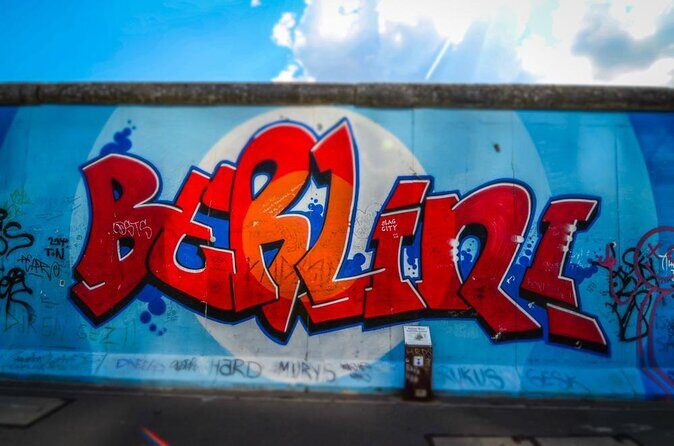
- Kottbusser Tor orientation: you start in the multicultural heart of Kreuzberg, then work outward with clear context
- SO36 and the alternative scene: learn why this neighborhood became a magnet for clubs, art, and music
- Courtyards and community spaces: you get more than street views; you hear how these places shaped daily life
- A Berlin Wall thread through the walk: the tour repeatedly connects what you see now to what happened nearby
- Market Hall Nine break: a built-in stop where you can reset during the walk (food and drinks aren’t included)
From Skalitzer Straße to Kottbusser Tor: Getting Oriented in Kreuzberg
You meet at Skalitzer Str. 137. From there, the walking portion puts you into the Kottbusser Tor area, a well-known hub where different languages, cuisines, and cultures stack up side by side. It’s a good starting point because it immediately explains the big picture: Kreuzberg isn’t a single vibe. It’s layered.
This tour works best when you’re ready to pay attention to details you might normally ignore. That means street level clues like signage, building types, and the feeling of the courtyards between buildings. Berlin loves to hide history in plain sight, and this walk nudges you to notice it fast.
You can also read our reviews of more walking tours in Berlin



SO36 and the Alternative Pulse at Club SO36
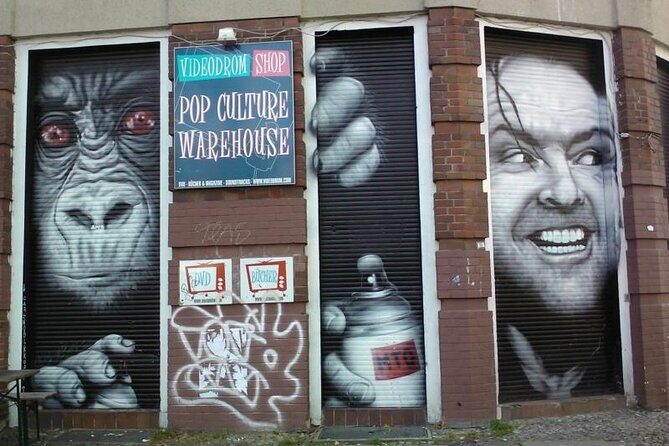
A key early stop is SO36, specifically Club SO36. The tour frames Kreuzberg’s growth as more than just urban planning. It’s also about people making space for music, fashion, art, and community energy when mainstream Berlin wasn’t serving them.
Here’s why this matters for you. If you only know Kreuzberg from modern nightlife photos, you’ll miss how the area’s creative identity formed. The walk brings it into focus by linking the present-day “alternative” feel with the neighborhood’s cultural evolution over time. Also, this is one of the stops noted as free admission, so you’re mostly learning and observing rather than spending extra money.
Heinrichplatz, Frauenzentrum Schokoladenfabrik, and the Neighborhood’s Human Side
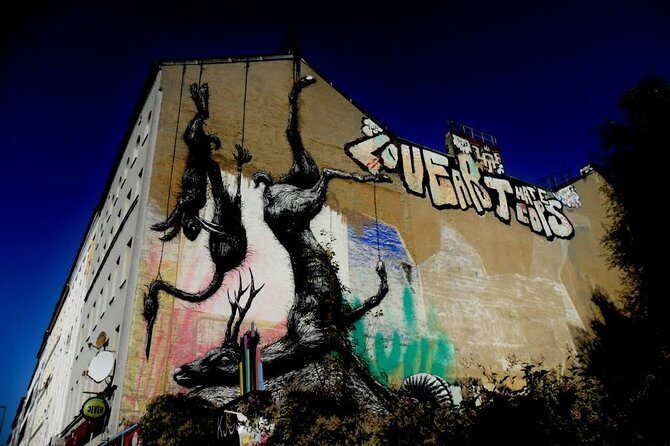
Next you head toward Heinrichplatz and the Frauenzentrum Schokoladenfabrik area. This part of the walk emphasizes that Kreuzberg’s story isn’t only about art and clubs. It’s also about how communities built support systems, identity, and public-facing spaces.
This stop is especially useful if you like your travel context with a pulse. You’ll get to connect how people shape their surroundings, not just how buildings get reshaped. In a city like Berlin, that’s the difference between “I saw a place” and “I understand why the place feels like this.”
Timing is short here (around 10 minutes), so come ready to absorb fast. If you’re the type who likes to linger, keep your personal pace slightly behind the group’s pace—otherwise you may miss the guide’s explanation.
Görlitzer Park: Courtyards, Community, and the Wall’s Long Shadow
The walk moves on to Görlitzer Park, which the tour schedules for about 15 minutes. Parks might sound like a break, but in this part of Kreuzberg, it’s also a viewpoint for understanding how the neighborhood functions as a living space.
One of the tour’s best themes is linking architecture and layout to history. That’s where those typical Berlin courtyards come in. Even when you’re not entering anything, the guide’s commentary helps you read why courtyards and enclosed passageways became important to the neighborhood’s development.
You also get a broader sense of proximity to the Berlin Wall story as the route progresses. This is a city where you can stand in a modern spot and still feel the weight of what was right next to it.
Mariannenplatz to Arthouse Bethanien: Historic Walls, New Uses
As the route continues, you pass through areas connected with Mariannenplatz and the Arthouse Bethanien. The tour highlights Bethanien as a historic hospital building located next to the former Berlin Wall.
This is a powerful stop because it shows how Berlin handles change. A Wall-adjacent building becomes cultural space. And suddenly the city’s history stops being abstract. You’re looking at the physical evidence of how transformation happens over decades, not in a single dramatic moment.
If you care about authenticity, this is the good kind of “not a museum” history. You’re seeing a real structure and hearing how its past intersects with the neighborhood’s later identity. For many people, that’s what makes Berlin clicking in their head.
You can also read our reviews of more tours and experiences in Berlin



St. Thomas Protestant Church and the Wall Treehouse: Small Details, Big Story
The tour includes sights tied to the former Wall line, including St. Thomas Protestant church and a treehouse built next to the Berlin Wall. These are the kinds of stops that reward attention.
Churches add a different historical tone than nightlife districts. They help you track how long-term institutions and daily life coexisted with a city split by concrete and borders. The treehouse, on the other hand, is the kind of story you remember because it’s so human. It’s not official history presented like a textbook. It’s people reacting to an impossible situation and turning a harsh reality into something lived-in.
Don’t rush these moments. Even if the official time at any one place is short, the tour’s strength is that it teaches you what to look for.
Market Hall Nine Break: A Real-Time Berlin Pause
One included part that I really like is the break in the Market Hall (Market Hall Nine). This is where the walk gives you a reset without pretending it’s a full meal. Food and drinks are not included, but you can use the break to grab something simple if you want.
Why this is good value: after a few hours of learning and walking, you’re better able to remember what you just learned when you take a breather. And Market Hall Nine also fits the Kreuzberg theme. It’s not just about old history. It’s about the neighborhood as it is now—suppliers, stalls, everyday people.
If you’re the planning type, this is your window to refuel. If you’re not, you can still use it as a photo-and-people-watching pause.
Wiener Straße and the Walk Toward Oberbaumbrücke
The route continues through Wiener Straße and then finishes at Oberbaumbrücke. That end point is useful. It’s a recognizable Berlin landmark, and it’s a practical spot to switch to transit or continue exploring.
Wiener Straße is a good mid-to-late stop because it keeps the neighborhood feeling grounded. Not every second of your time in Kreuzberg has to be a dramatic Wall-related moment. Sometimes it’s the normal street rhythm that tells you how the city actually works now.
If you want to keep going after the tour, Oberbaumbrücke is a smart place to hop into your next plan. You won’t feel stranded.
Pace, Group Size, and What You’ll Actually Walk Through
This is a 3-hour walking tour with a maximum of 12 travelers. That small group size is a big deal in Berlin because the guide can actually check in with you. You’re not herded along with a megaphone and 40 people.
A three-hour walk also means you should plan for steady movement. Comfortable shoes matter. Bring water if you tend to get thirsty while walking.
One practical caution: one past attendee reported a long wait for the guide before the tour started. Another reported a full cancellation connected to a BVG strike and missing participants. I can’t predict disruptions, but I recommend you arrive a few minutes early and keep your day flexible if there are public transit disruptions.
Price and Value: Why $22.45 Can Be a Good Deal
At $22.45 per person, this tour isn’t asking you to pay for a big-ticket attraction. You’re paying for the guide’s ability to connect the dots across neighborhoods, architecture, and Berlin’s political breakpoints.
Here’s the value math in plain terms:
- You get 2–3 hours of guided walking through a major, changing district
- You learn the “why” behind what you see, not just a list of stops
- You get an included break in Market Hall Nine
- You avoid rental bikes, taxis, or self-navigating that can cost time and energy
You’re also doing it in a small-group format, which tends to improve the quality of the conversation and the attention you get if you have questions.
If you’re trying to get a strong Kreuzberg orientation without turning the day into a spreadsheet, this price is usually fair.
Who This Tour Is Best For
This tour is a great fit if you:
- want a focused Berlin walking tour that’s more than sightseeing snapshots
- like neighborhoods with layered identity, not just famous monuments
- enjoy connecting street life to history, especially around the Wall’s influence
- want a small-group experience without needing to plan your own route end-to-end
It may feel less ideal if you hate walking, want lots of time at one location, or prefer a museum-style visit where you can stay still. The tour is designed to keep you moving.
Should You Book This Kreuzberg Walking Tour?
I’d book it if you want a practical way to understand Kreuzberg’s evolution, from the alternative SO36 atmosphere to the Wall-adjacent stories near Arthouse Bethanien, church sites, and the treehouse. The Market Hall Nine break is a nice touch, and the max 12 group size usually keeps things human.
Before you go, do two things: arrive a few minutes early at Skalitzer Str. 137, and keep an eye on transit conditions that day. If Berlin’s rail or bus systems get cranky, any walking tour in this area can be affected.
If you’re chasing a high-energy cultural orientation with real context, this one is worth your time.
FAQ
How long is the Kreuzberg walking tour?
The tour lasts about 3 hours.
How much does it cost?
The price is $22.45 per person.
Where does the tour start and where does it end?
You start at Skalitzer Str. 137, 10999 Berlin and end at Oberbaumbrücke, 10243 Berlin.
What’s included in the tour price?
It includes the driver/guide, a local guide, and a break in the Market Hall. Food and drinks are not included.
Is a ticket or entry pass provided for stops?
It uses a mobile ticket, and some stops note admission ticket free.
How big is the group?
The tour has a maximum of 12 travelers.
What happens if the tour is canceled due to minimum traveler requirements?
You’ll be offered a different date/experience or a full refund.
When should I cancel to get a full refund?
You can cancel up to 24 hours in advance for a full refund.