REVIEW · BERLIN
Berlin: Charité Hospital History Walking Tour
Book on GetYourGuide →Operated by Beyond and Beneath Tours · Bookable on GetYourGuide
Berlin health history has scars and breakthroughs. This Charité Hospital History Walking Tour turns the big names of medicine into a clear, walkable story across Berlin’s oldest hospital campus and into the Veterinary Anatomy Theatre.
I especially like how the tour ties daily street-level architecture to real medical milestones, with Robert Koch and Rudolf Virchow connected to the places you can actually stand in. I also love the stop at the Veterinary Anatomy Theatre, where you get an 18th-century look at how ailments in livestock and cavalry horses were studied.
One catch: a lot of the experience happens outside, so you’ll want warm clothing, and you should expect that not every Charité building is entered by the group.
In This Review
- Key things to know before you go
- Meeting at Robert-Koch-Platz and the 1710 Backstory That Matters
- The Charité Neo-Gothic Campus Walk: Big Names, Real Streets
- Rachel Hirsch and 1913: A Turning Point in Women’s Medical Careers
- Charité Under the Nazi Regime: When Ethics Were Thrown Out
- The Veterinary Anatomy Theatre: Berlin’s Oldest Academic Building
- What You Can (and Can’t) Enter at Charité
- Timing, Walking Pace, and Where You’ll Land in Berlin
- Price and Value: What $28 Buys You Here
- Who This Tour Is Best For (and Who Might Want to Skip It)
- Should You Book the Charité Hospital History Walking Tour?
- FAQ
- Where does the tour start?
- How long is the walking tour?
- What is included in the price?
- Are we allowed to enter all Charité buildings?
- Is the Veterinary Anatomy Theatre visit guaranteed?
- What should I wear and bring?
- What languages is the tour offered in?
- Is the tour wheelchair accessible?
- What ages is the tour best for?
Key things to know before you go

- 1710 plague-house origins: the story starts at Charité’s founding and why it existed in the first place
- Neo-gothic Charité campus walk: you’ll connect medicine pioneers to the grounds around you
- Rachel Hirsch, 1913: a standout human story about women in medicine in Prussia
- Nazi-era medical ethics: the tour addresses racial hygiene and the persecution of psychiatric patients
- Veterinary Anatomy Theatre visit: Berlin’s oldest academic building still in existence
- Guide-led pacing: you’ll get tight, structured segments (including short guided stops) so it stays engaging
Meeting at Robert-Koch-Platz and the 1710 Backstory That Matters

The tour kicks off at Robert-Koch-Platz, right by the Robert Koch statue. Your guide holds an orange umbrella, and that little cue helps you find the group fast, even if you’re still figuring out Berlin on arrival.
From the first minutes, you’re not just collecting dates. You’re learning why Charité was built in 1710 in the first place: a simple plague house meant to protect the city as an epidemic approached. That origin story changes how you read everything that comes later—because medicine here isn’t a clean timeline. It’s a system shaped by fear, politics, and technology at each turning point.
You’ll also get an early sense of the tour’s tone: it moves from old treatment practices—like bloodletting, mercury doses, and amputations—into the larger question of who medicine served and who it harmed. If you care about Berlin not just as scenery, but as lived history, this opening does the job.
You can also read our reviews of more walking tours in Berlin



The Charité Neo-Gothic Campus Walk: Big Names, Real Streets

After you’re oriented, the tour circles the historic neo-gothic Charité campus. This is one of the main reasons the experience works: you’re seeing the physical setting where modern medicine’s milestones became real life, not just textbook photos.
The guided route connects the ground under your feet to the biggest names in German medical history, including Robert Koch and Rudolf Virchow. It’s an effective way to understand why Charité became a magnet for research and experimentation. You’re standing where people worked, argued, and published, even if the buildings you can access on a tour are limited.
I also like that the campus walk doesn’t treat medicine as neutral. It frames Charité as a place where social progress and scientific progress could happen side by side—until regimes made those priorities dangerous. That becomes especially clear later when the tour discusses the hospital’s role under different political systems.
Rachel Hirsch and 1913: A Turning Point in Women’s Medical Careers
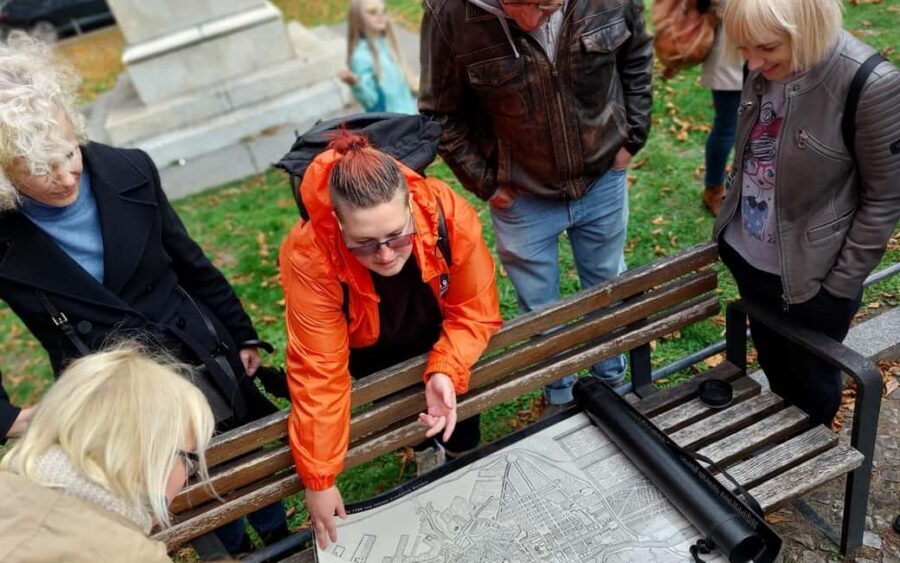
One of the strongest human stories on the walk centers on Rachel Hirsch, who became the first woman to hold a medical professorship in Prussia in 1913. This isn’t a side note—it’s presented as a shift in how medicine was allowed to recognize (or not recognize) qualified people.
What makes it useful for you as a visitor is that you’re not just learning a name. You’re seeing how institutional resistance worked, even when society was changing. The tour links Hirsch’s appointment to early 20th-century social attitudes, including the pushback she faced inside the institution.
This stop helps you balance the heavy parts of the tour with something forward-looking. It’s a reminder that progress in medicine isn’t only about instruments and labs. It’s also about access—who gets training, who gets credentials, and who gets to teach.
Charité Under the Nazi Regime: When Ethics Were Thrown Out

The tour doesn’t shy away from the darkest chapter. Under the Nazi regime, the story turns to how medical ethics were discarded and how ideas of racial hygiene were imposed ruthlessly.
The content here is heavy, and the tour’s value is in how it treats it as a real part of Charité’s history, not a quick mention. You hear how some doctors stayed quiet while others actively organized the extermination of psychiatric patients. That detail matters because it shows the difference between silence and complicity.
Then, the narrative extends into what followed: in later decades, East Germany took pride in Charité’s achievements, while also physically sealing off parts of the campus that faced the capitalist West—by bricking up those windows. It’s one of those facts that makes you slow down, look at the buildings around you, and realize how politics can literally reshape architecture.
If you’re the kind of traveler who appreciates honest context, this section is one of the tour’s core strengths.
The Veterinary Anatomy Theatre: Berlin’s Oldest Academic Building
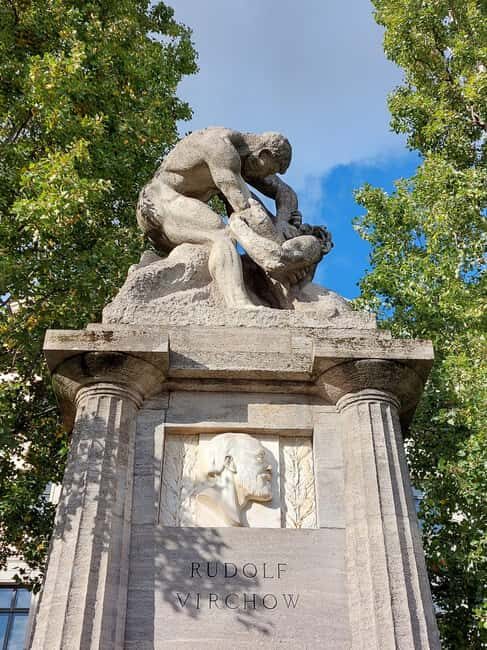
The tour’s most visual and quietly fascinating stop is the Veterinary Anatomy Theatre. You’ll spend about 15 minutes there, and you’ll get in with free admission.
This theatre is described as Berlin’s oldest academic building still in existence, and the tour uses it to connect medicine to the animals that powered city life—livestock and cavalry horses. In other words, this isn’t just about human suffering. It’s about how 18th-century Berlin tried to understand and treat ailments that affected the animals people depended on.
Even if you’re not a medical-history person, the setting helps the learning stick. A theatre designed for instruction gives you a sense of how formal education was built into the culture of knowledge. And it fits perfectly with the tour’s overall arc, moving from plague-house origins into institutional learning and professional science.
One practical note: on occasion, the theatre can be closed due to internal events or public holidays, so if you’re visiting on a major date, keep that possibility in mind.
You can also read our reviews of more historical tours in Berlin






What You Can (and Can’t) Enter at Charité

This tour is built around being on your feet and outside a lot, but it also sets expectations about access. You’ll get guided walking and key explanations, plus entry to the Veterinary Anatomy Theatre.
You should know that entry into some areas where hospital or university activities happen is not included, and certain parts of the campus are restricted for guided tours. That said, you’re not locked out of exploring forever—after the tour, you can still explore some areas independently where access allows.
For me, this affects how you plan your expectations. Treat this as a story-first tour of Charité’s significance, rather than a full pass into every building. If you want interior access to active hospital spaces, you may need separate tickets or a different format.
Timing, Walking Pace, and Where You’ll Land in Berlin

The tour runs about 2 hours, with a walking-heavy pace and short guided segments along the way. You’ll be standing and walking for roughly that stretch, so comfortable shoes are a must.
It also makes a difference when and where you’re visiting. The tour description is clear that you should dress warmly because most of the route is outside. On a cold Berlin day, that can be the difference between enjoying the story and just surviving the weather.
Language options are English and German, and the tour is described as wheelchair accessible, which is a helpful detail for planning with mobility needs.
When the tour ends, it finishes near Alexanderufer (10117 Berlin). It’s also close enough to keep the day rolling toward the train hub, which makes it an easy historical add-on after you’ve been exploring other parts of the city.
Price and Value: What $28 Buys You Here

At $28 per person for about 2 hours, this isn’t a “quick glance” tour. You’re paying for an expert local guide, a structured route, and a meaningful stop with free admission to a special site.
For value, the guide matters a lot here because the topic spans centuries and includes difficult subjects—plague-era medicine, scientific pioneers, women’s breakthroughs, and Nazi medical crimes. A good guide turns that into something you can follow without getting overwhelmed.
The consistently high rating backs up that the format works: people praise the guide’s enthusiasm and the way she links facts to specific locations. If you’re the type who likes learning history with a steady hand rather than reading plaques on your own, this price makes sense.
Who This Tour Is Best For (and Who Might Want to Skip It)
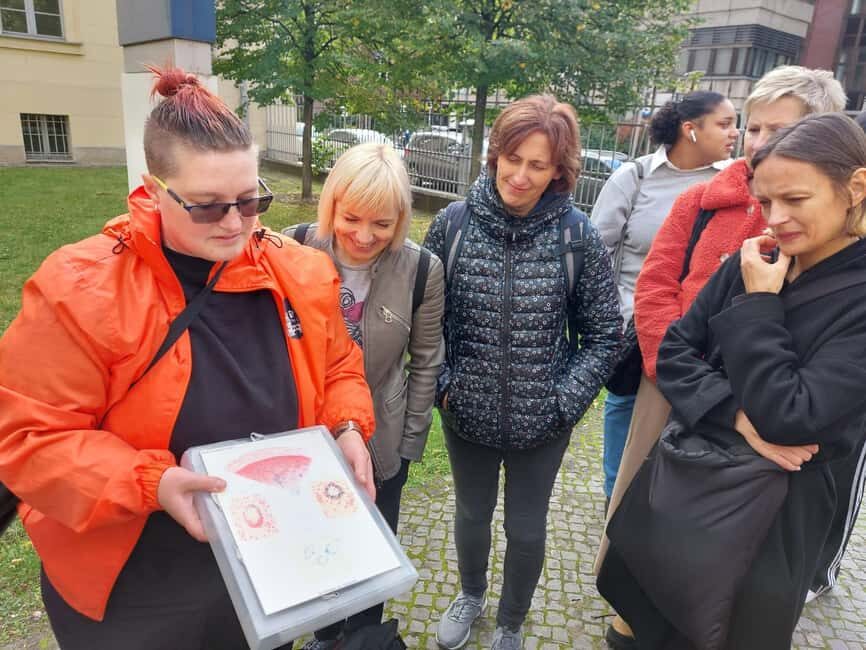
This is a strong fit if you want Berlin’s history to be more than Berlin’s “pretty postcards.” The medical, social, and political layers are front and center, and the tour connects them to real places you pass through.
It’s recommended for ages 14 and up, mainly because of the historical depth. Younger kids may find the subject matter too intense or complex, so it’s safer to wait until you can handle heavy topics thoughtfully.
If you’re curious about how medicine evolved—and how it was shaped (and corrupted) by power structures—this walk gives you that context in a compact time window.
Should You Book the Charité Hospital History Walking Tour?
Yes, if you want a focused, guided route through Berlin’s medical legacy that doesn’t dodge the hard parts. You’ll get the campus architecture, major figures like Robert Koch and Rudolf Virchow, the landmark story of Rachel Hirsch in 1913, and the shift from plague-era treatment to institutional science.
Book this especially if you like your history grounded in specific places you can picture later. And pack for cold weather—you’ll enjoy the story more when you’re comfortable.
If you’re expecting to enter lots of hospital or university buildings, adjust your expectations. This is guided access plus a key theatre visit, not a full building-hopping binge.
FAQ
Where does the tour start?
It starts at Robert-Koch-Platz, where you meet by the Robert Koch statue. Your guide is holding an orange umbrella.
How long is the walking tour?
The tour is about 2 hours.
What is included in the price?
The tour includes an expert local guide and free admission to the Veterinary Anatomy Theatre.
Are we allowed to enter all Charité buildings?
No. Entry to buildings where hospital or university activities take place is not included, and some areas are restricted for guided tours.
Is the Veterinary Anatomy Theatre visit guaranteed?
The theatre visit is part of the tour, but it can occasionally be closed due to internal events or public holidays.
What should I wear and bring?
Wear comfortable shoes and bring water. Dress warmly because most of the tour is outside.
What languages is the tour offered in?
The guide offers the tour in English and German.
Is the tour wheelchair accessible?
Yes, it is listed as wheelchair accessible.
What ages is the tour best for?
It’s recommended for ages 14 and up. Children under 14 are not suitable, and minors must be accompanied by an adult.