REVIEW · BERLIN
Berlin: Old Neukölln Private Walking Tour
Book on GetYourGuide →Operated by ReinholdSteinle · Bookable on GetYourGuide
Neukölln feels personal on this walk. You’ll start at Richardplatz and learn why the area called Rixdorf matters—then watch the story shift from fires and renaming to the Czech/Bohemian communities that shaped the neighborhood.
I really like the mix of everyday streets and named landmarks. You’re not just hearing dates—you’re being shown how places like Bethlehemskirche and Böhmischen Gottescaker connect to what’s still visible in Neukölln today.
One thing to consider: this tour is in German, and it’s not suitable for people with mobility impairments, so it’s best if you’re comfortable walking and understand German.
In This Review
- Key points to know before you go
- Why Old Neukölln feels like a village inside Berlin
- Meeting Reinhold Steinle at Richardplatz
- Richardplatz and Richardstrasse: starting with the neighborhood’s center of gravity
- Bethlehemskirche: the church that anchors the Rixdorf-to-Neukölln story
- Böhmischer Platz, Jan Hus, and the Bohemian/Czech presence
- Böhmische Gottescaker and the memory of communities
- Rixdorf fires: how dramatic events changed what you see later
- KGB44 and the layers beyond the obvious landmarks
- Friedrich Wilhelm I Memorial and everyday street context
- Old Bohemian school house and Comenius Garten
- “Everyone is a Neuköllner at heart”: what the guide is really doing
- Price and value for a private 90-minute walk
- What to watch for on the ground
- Who this tour is best for
- Should you book Berlin: Old Neukölln Private Walking Tour?
- FAQ
- What is the duration of the Berlin: Old Neukölln Private Walking Tour?
- How much does the tour cost?
- Where does the tour start?
- Is the tour private?
- What language is the guide?
- What’s included in the price?
- Is it accessible for people with mobility impairments?
Key points to know before you go
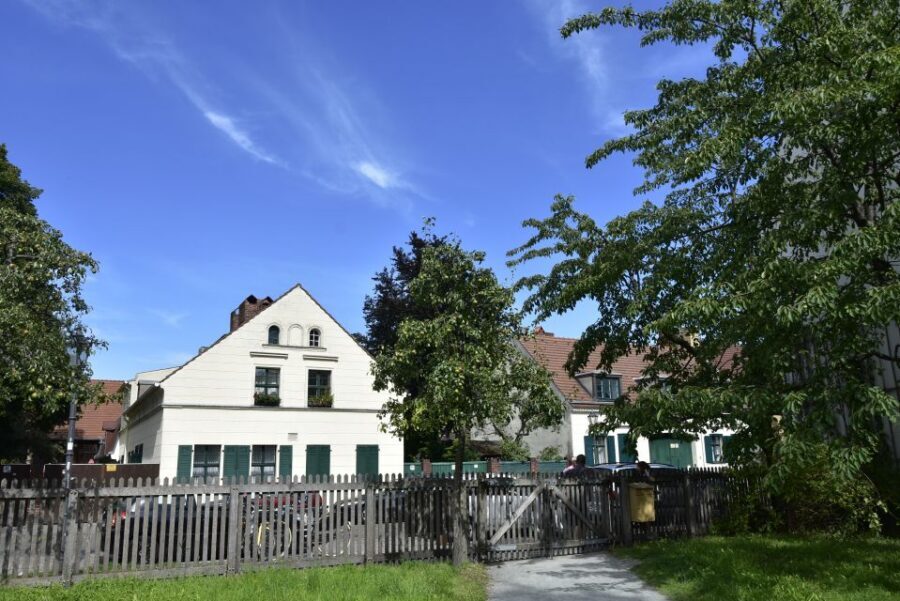
- Richardplatz as the anchor: the tour starts right where “village atmosphere” shows up inside central Berlin
- Bethlehemskirche and the naming story: you’ll connect church + streets to how Rixdorf became Neukölln
- Bohemian/Czech thread through the walk: stops like Böhmischer Platz, Jan Hus, Popraci, and Comenius Garten keep the story human
- Rixdorf fires and turning points: you’ll hear how dramatic events changed the neighborhood over time
- Private group with Reinhold Steinle: long enough for questions, short enough to stay focused (90 minutes)
- KGB44 included: you’ll get another layer of context beyond the “obvious” landmarks
Why Old Neukölln feels like a village inside Berlin
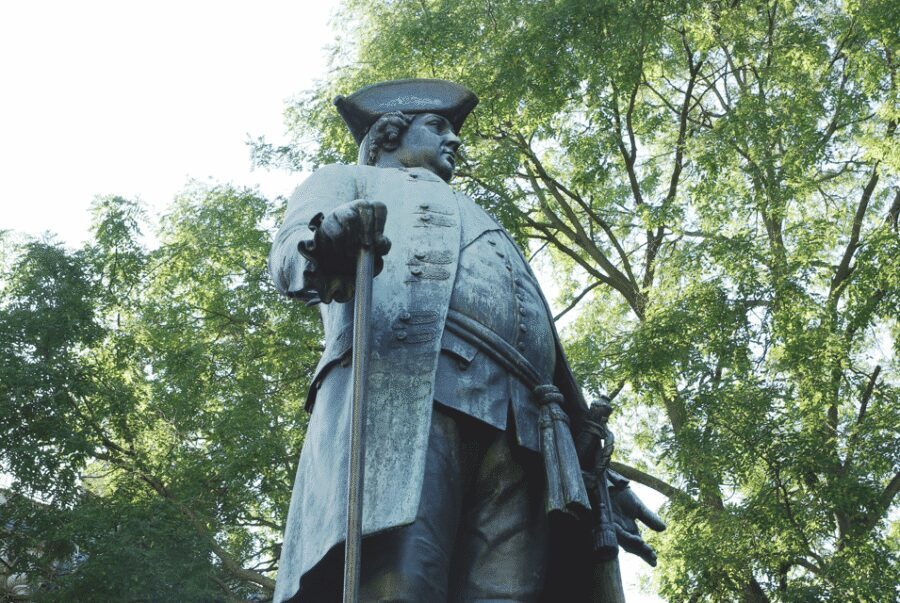
Old Neukölln has a reputation that can feel one-sided from far away. What I like about this tour is that it treats the neighborhood like a real place with real people—not a headline.
You’ll be moving through a part of Berlin where the street life can give you that unexpected “small village” feeling. That’s not just mood; it’s built into the route. Richardplatz is the first strong clue: it’s the kind of square where the story of Rixdorf sits close to everyday life. By the time you’re done, you’ll understand why the neighborhood’s identity can’t be reduced to a single label.
And the guide’s goal is plain: Reinhold Steinle has been guiding groups through Neukölln since 2008, and he’s working to correct that negative image step by step. That comes through in how he frames what you see.
You can also read our reviews of more walking tours in Berlin



Meeting Reinhold Steinle at Richardplatz
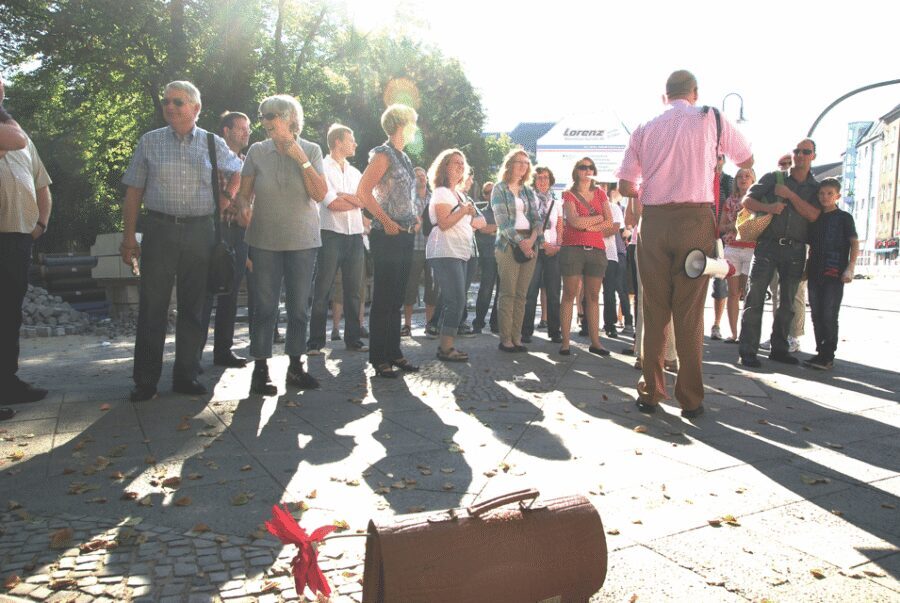
The meeting point is Richardplatz 22 (next to the small church). If you’ve ever arrived in Berlin and felt like you need a map in your head just to know where to look, this start helps. You begin with a landmark that’s both easy to find and meaningful to the story.
This is a private walking tour for groups up to 6, lasting 90 minutes. That length matters. You get enough time to connect the dots between sites, but you’re not stuck on a long route where attention drops. Because it’s private, the guide can respond to your interests as you go—so the tour can feel tailored instead of like a script.
Reinhold Steinle is German-speaking (the tour guide is listed as German). He’s born in the south of Germany but a Berliner at heart, and his guiding approach is shaped by that mix. He uses humor, and he’s not afraid to make the history feel relevant—especially when the story could easily sound distant.
Richardplatz and Richardstrasse: starting with the neighborhood’s center of gravity
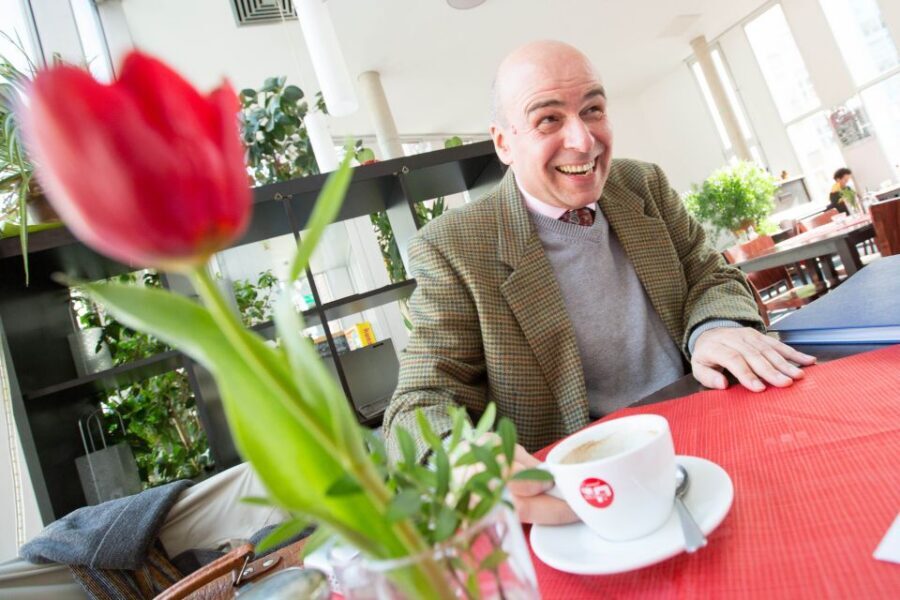
Richardplatz isn’t just a convenient starting point. It’s where the tour’s “village” idea becomes believable.
From here, you’ll hear how the neighborhood’s identity developed over time—starting with the Rixdorf layer and working toward what people call Neukölln today. You’ll also connect Richardplatz with nearby streets like Richardstrasse, so the places aren’t floating in isolation. Instead, they form a walkable narrative.
A nice practical detail: the tour is structured enough that you won’t feel lost even if you’re new to Berlin neighborhoods. Each stop has a job—setting context, naming people, or explaining events—so your brain keeps up.
Bethlehemskirche: the church that anchors the Rixdorf-to-Neukölln story
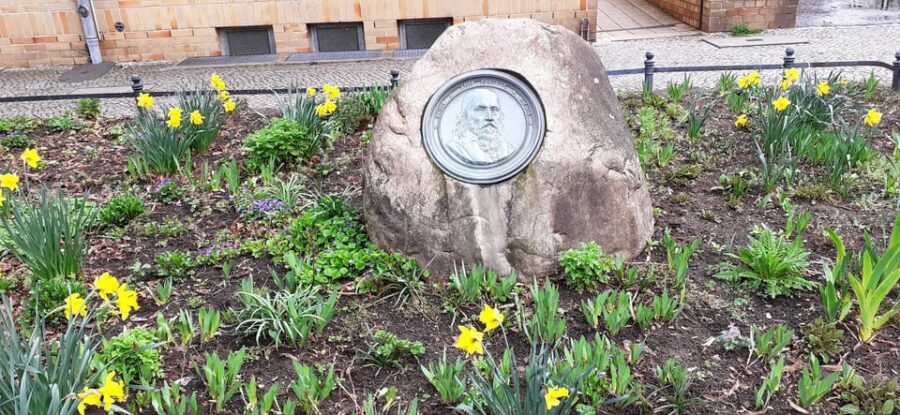
One of the tour’s main emotional anchors is Bethlehemskirche (Bethlehem Church). Churches are often treated as background scenery in walking tours, but here they’re used as a way to talk about identity and change.
You’ll trace history at Bethlehemskirche and connect it to what’s around Richardplatz. The goal is to show how community life and local identity grew—then how naming and re-labeling shaped what people think the neighborhood is.
For you, that means you’ll leave with a better sense of how Berlin “labels” neighborhoods. Instead of memorizing a timeline, you’ll understand the logic behind how places get renamed, and why that matters when you’re trying to read the city on foot.
Böhmischer Platz, Jan Hus, and the Bohemian/Czech presence
This is where the tour gets unexpectedly specific.
You’ll visit Böhmischer Platz (Böhmischer Square) and hear stories tied to the Bohemian/Czech communities connected to the area. Stops like Jan Hus and Popraci are part of this thread, and they help turn a general “immigrant neighborhood” idea into something you can picture street by street.
You’ll also hear about:
- the Czech partnership
- the evacuation of the Bohemians
- the idea of renaming in Neukölln
That’s not just history trivia. It’s the backbone of understanding why certain names, places, and community references still show up in the built environment. By the end, you’ll likely stop thinking of this district as only one thing—especially if you’ve heard it described too narrowly before.
If you like “place-based history,” you’ll enjoy the way the tour keeps returning to how real communities left their marks.
You can also read our reviews of more private tours in Berlin




Böhmische Gottescaker and the memory of communities
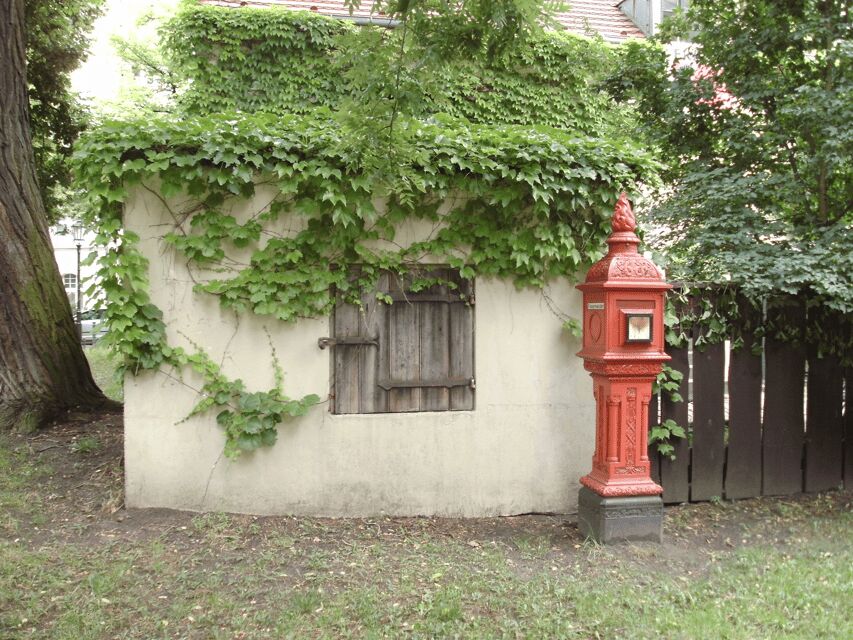
Another standout stop is Böhmische Gottescaker. Even without turning it into a lecture, the tour uses this kind of site to make memory tangible. You’re not just hearing that communities existed; you’re being shown a physical reminder of them.
This is one of the places where I’d expect your understanding to shift. A cemetery or memorial-related stop forces you to think about time differently—about continuity and change. And because the rest of the tour builds toward this Bohemian/Czech presence, it lands with more meaning than if it showed up randomly halfway through.
Rixdorf fires: how dramatic events changed what you see later
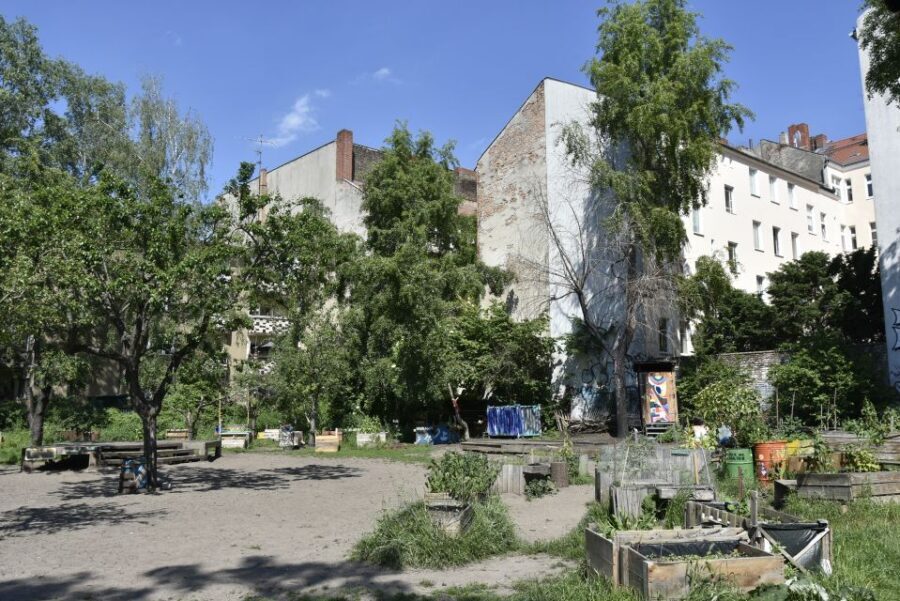
Every neighborhood has turning points. On this walk, one major thread is the fires in Rixdorf.
These stories matter because fires are not just disasters—they can reset how areas are built, rebuilt, and remembered. You’ll connect those fires to the broader narrative of transformation: how Rixdorf fits into the larger shift toward Neukölln.
It’s also the kind of story that keeps the tour from feeling “museum-like.” You’re standing in Berlin now, and the guide helps you understand why the neighborhood’s layout and identity carry echoes of earlier upheavals.
KGB44 and the layers beyond the obvious landmarks
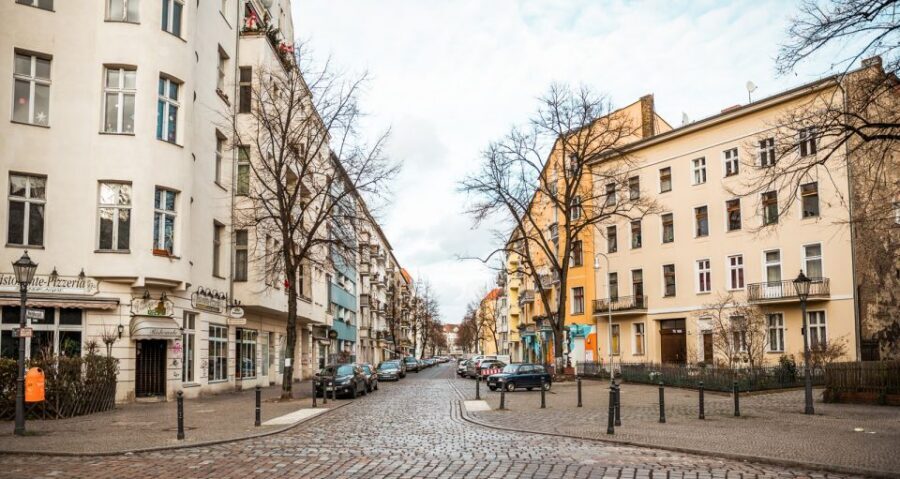
The tour includes a stop called KGB44. This is a reminder that there’s often more going on than the big, classic landmarks.
What I like is that the guide doesn’t treat KGB44 as a random photo stop. It’s integrated into the conversation about Neukölln’s past and present, so you come away seeing the district as layered rather than flat.
If you’re the type of traveler who enjoys when a walking tour adds one or two curveballs that expand your mental map of a place, you’ll likely appreciate this.
Friedrich Wilhelm I Memorial and everyday street context
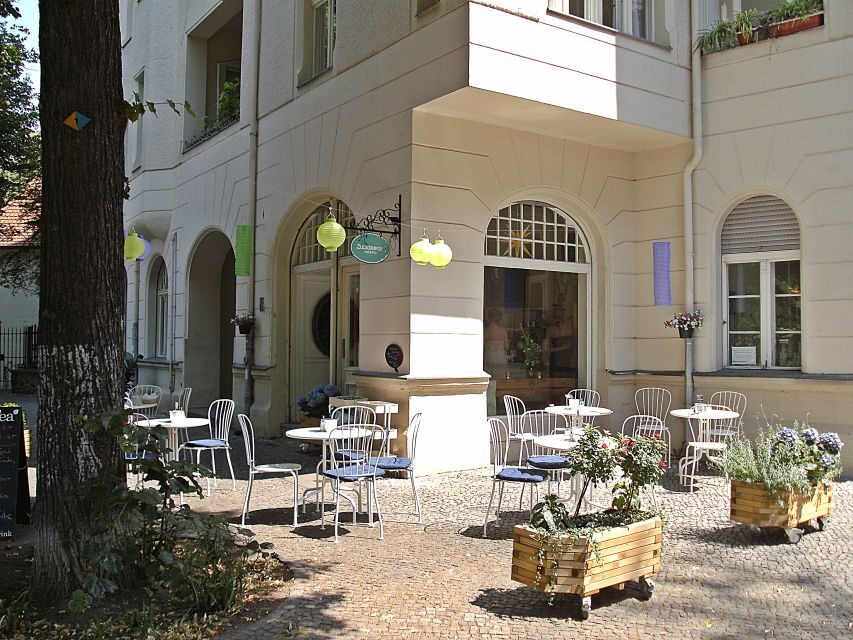
You’ll also encounter the Friedrich Wilhelm I Memorial during the walk. Memorials can easily become “just another thing you walked past,” but here it’s used to widen the lens—showing how national history touches local streets.
What makes this effective is that it’s not isolated. You’re moving along Richardstrasse and other sites while your guide connects each stop back to the neighborhood’s changing identity. That creates a sense of coherence: you’re learning how different kinds of places—religious sites, community spaces, memorial points—can all contribute to one neighborhood story.
Old Bohemian school house and Comenius Garten
Two stops that give the story a future-looking feel are the Old Bohemian school house and Comenius Garten (Comenius Garden).
These places help shift your attention from events (fires, evacuations, renaming) to everyday life: education, community space, and what people did to build stability in changing times. Even if you’re not a “school history” person, the tour makes the relevance clear through the way it connects these sites to the Bohemian/Czech presence.
Comenius is also a helpful symbol for understanding why the neighborhood wasn’t only surviving—it was organizing, teaching, and maintaining community. Garden spaces and educational buildings can tell you a lot about what a group valued, and the tour uses them to complete the emotional arc.
“Everyone is a Neuköllner at heart”: what the guide is really doing
Reinhold Steinle’s motto is simple: someone has to do it, and he’s doing it by correcting the negative image of Neukölln bit by bit.
The tour also nods to a well-known local mayor’s line: everyone is a Neuköllner at heart. That’s not just a motivational poster. It explains the guide’s approach: he frames the neighborhood so you don’t see it as an outsider’s problem. Instead, you’re invited to read it like a place with its own internal logic.
One reason this tour scores so well is that it doesn’t sound like a checklist. It sounds like a storyteller who cares about how you understand what you’re looking at—while keeping it practical enough that you can follow the route.
Price and value for a private 90-minute walk
The price is $70 per group up to 6 for 90 minutes. That’s where the value gets interesting.
If you’re traveling as a couple or a small group, this can be a cost-effective way to get a more personal experience than a typical per-person city walk. At full group size, it’s about $11.70 per person—and even if you’re only a couple, the “private” factor still makes the time feel worthwhile because the guide can adjust pacing and answers to you.
Also, you’re not paying for a generic stroll. The route is tightly themed around Old Neukölln, with specific stops including Bethlehemskirche, Böhmischer Platz, Böhmische Gottescaker, Jan Hus, Popraci, KGB44, Comenius Garten, and multiple narrative threads like fires in Rixdorf and renaming in Neukölln. For me, that kind of place-specific focus is what makes a walking tour feel like more than entertainment.
Food and refreshments aren’t included, so you’ll want a plan if you’re pairing this with lunch or coffee afterward—but you’ll get a strong base to build the rest of your day on.
What to watch for on the ground
Because the tour is a walking experience in a city neighborhood, you’ll want to dress for Berlin weather and be ready for uneven sidewalks. The tour is not suitable for people with mobility impairments, so if mobility is an issue, you’ll want to consider another format.
Language is also a real factor. The guide is listed as German, so if your German is limited, you might still enjoy the sights visually, but the story component depends on comprehension. If you speak basic German, you’ll likely pick up more than you expect.
Finally, this tour is most satisfying if you’re curious about how neighborhoods change over time. If your travel style is only “big sights, quick photos,” this one could feel slower than your ideal pace.
Who this tour is best for
I’d recommend this tour if you:
- want a local-feeling walk through a Berlin district that’s often misunderstood
- enjoy history that’s tied to street names, community institutions, and specific named places
- like small-group experiences with room for questions (private group up to 6)
- want a story that connects Czech/Bohemian themes to how Neukölln looks and feels today
You might think twice if:
- you need an English-language guide
- mobility limitations make walking tough
- you prefer only the most famous Berlin highlights
Should you book Berlin: Old Neukölln Private Walking Tour?
I think you should book this if you’re excited by the idea of learning Berlin through one neighborhood’s identity—especially the Rixdorf-to-Neukölln shift and the Bohemian/Czech presence linked to places like Böhmischer Platz, Jan Hus, Popraci, Böhmische Gottescaker, and Comenius Garten.
It’s also a smart pick if you like tours led by someone who’s been doing it for years and has a clear mission: correct the image, tell the stories well, and make the district feel human. With Reinhold Steinle’s humor and the tight 90-minute structure, you’re likely to come away with a sharper mental map and a better understanding of why Neukölln isn’t one-note.
FAQ
What is the duration of the Berlin: Old Neukölln Private Walking Tour?
It lasts 90 minutes.
How much does the tour cost?
The price is $70 per group for up to 6 people.
Where does the tour start?
You meet at Richardplatz 22, 12055 Berlin Neukölln (next to the small church).
Is the tour private?
Yes. It’s a private group tour.
What language is the guide?
The live guide language is German.
What’s included in the price?
The guided tour is included.
Is it accessible for people with mobility impairments?
No, it’s not suitable for people with mobility impairments.
If you want, tell me your group size and whether you’re comfortable with German, and I’ll help you decide if the $70 private format is the best match for your Berlin day.