REVIEW · BERLIN
Half-Day Bike Tour of Berlin’s Lesser Known And Historical Sites
Book on Viator →Operated by Berlin Bike Tour · Bookable on Viator
Berlin has two speeds: postcard-fast and story-fast. This ride hits the second one, taking you through lesser-visited East Berlin spaces tied to daily life under communism. I really like the small-group feel (cap of 8), and I also like how the tour uses the bike to connect history in motion, not just at a single monument.
My favorite part is the mix of places that explain the Cold War beyond slogans: Prenzlauer Berg’s East German neighborhood life, plus a short visit to the Stasimuseum memorial and prison site. The one possible drawback: the stops are brief, so if you want long museum time, you’ll likely want to follow up on your own after the tour.
In This Review
- Key Points You’ll Care About
- The Berlin Side Most Tours Skip (and Why It Works by Bike)
- Prenzlauer Berg’s Communist-Era Blocks and Cold War Daily Life
- Stasimuseum Memorial: Former Stasi Prison and the Reality of Surveillance
- Ernst-Thälmann-Park and GDR Housing Life (Including That Planetarium Detail)
- Bike Time Around the Former Berlin Wall Border Station: Platz des 9. November 1989
- Passing Former Slaughterhouses and Breweries: Industry Behind the Streets
- The Stasi Headquarters and Prison Theme Gets Bigger Than One Building
- Orankesee and Obersee: Inner-City Lakes as a Reset Button
- Weissensee District for 45 Minutes: Where the Tour Slows Down
- Strandbad Weissensee: Leisure by the Lake
- Guides and Bikes: How the Small Group Changes Everything
- Price and Logistics: $36.88, Bike Included, Food Not
- Who This Half-Day Berlin Bike Tour Suits Best
- Should You Book This Berlin Bike Tour?
- FAQ
- How long is the bike tour?
- What does the tour cost?
- Where is the meeting point, and when does the tour start?
- How big is the group?
- What’s included in the price?
- What is not included?
- What dress code should I follow?
- Can children join the tour?
- What is the cancellation policy?
Key Points You’ll Care About
- Small group (max 8): more time to ask questions and get real context, not crowd chatter
- East Berlin focus: Prenzlauer Berg and Cold War daily life, not the same old landmarks
- Stasi site exposure: you’ll see the memorial/prison stop plus the wider network theme
- Bike-friendly pacing: about 4 hours with built-in breaks like inner-city lakes
- Value for money: bicycle and guided tour are included for $36.88
The Berlin Side Most Tours Skip (and Why It Works by Bike)
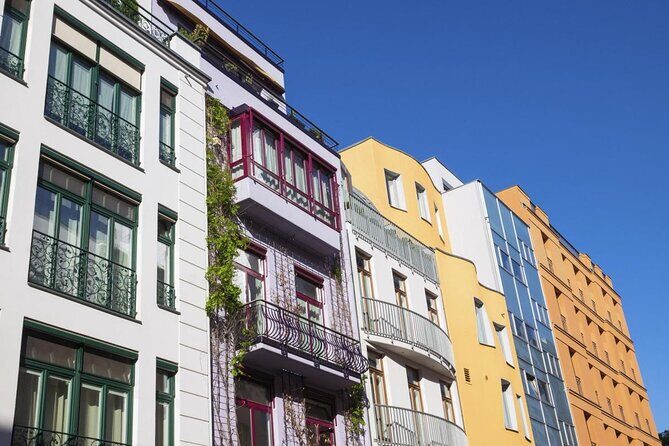
This half-day bike tour is built for people who already know the big hits of Berlin and want the other layers. You pedal through areas that feel lived-in—then the guide ties what you see to what life was like when the city was split. It’s not just “history stops.” It’s more like a moving lesson.
The best part is the pacing. With roughly 3.5–4 hours, you get multiple topic areas—neighborhood life, surveillance, border history, and everyday leisure—without turning your day into a marathon. And because the group stays small, you get a chance to talk rather than just listen.
You can also read our reviews of more cycling tours in Berlin
Prenzlauer Berg’s Communist-Era Blocks and Cold War Daily Life
Your first anchor is Prenzlauer Berg, where you spend about an hour. This is where the tour’s central idea clicks: instead of treating East Berlin as an abstract concept, you see it as streets, apartments, and routines.
The guide sets the scene around typical communist-era apartment blocks. You learn what daily life could feel like in Cold War East Berlin—how people organized their lives inside these neighborhoods, and how the state’s presence shaped everyday thinking. If you like your history grounded in real settings, this stop is the heart of the tour.
A practical tip: wear shoes you’re comfortable walking in during transitions. Even though it’s a bike tour, you’ll still do short segments on foot as you shift from one story to the next.
Stasimuseum Memorial: Former Stasi Prison and the Reality of Surveillance
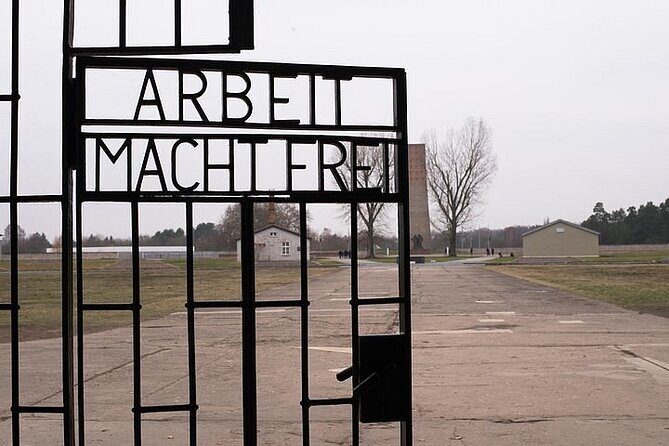
Next up is the Stasimuseum memorial and the former Stasi prison stop, around 5 minutes. That short time can feel intense—in a good way—because the tour is framing what the Stasi represented: a system built on fear, informers, and control.
You’ll connect the dots between the physical place and the broader mechanism: the secret police network and the idea that people could be watched, reported on, and pressured. Even if your time there is brief, it’s still a key contrast point after the neighborhood story in Prenzlauer Berg.
One consideration: if you want to read every panel slowly, five minutes won’t be enough. I’d treat this stop like a strong opener. Then, if you’re left with unanswered questions, plan to return later for a longer read on your own.
Ernst-Thälmann-Park and GDR Housing Life (Including That Planetarium Detail)
The tour then pauses at Ernst-Thaelmann-Park, about 10 minutes, tied to GDR-era park and housing-area life. You’re not just looking at green space. You’re seeing how these areas were designed to serve daily routines—where people went, how neighborhoods connected, and how state-era planning shaped the city’s “normal.”
The itinerary notes a planetarium in this zone, and that’s the kind of detail that helps the area feel specific instead of generic. It’s one of those moments where you realize East Berlin’s design wasn’t just about oppression; it also involved the public spaces where people spent time.
Bike Time Around the Former Berlin Wall Border Station: Platz des 9. November 1989
One of the more emotional stops is Platz des 9. November 1989, about 15 minutes. This is the area associated with a former border station connected to the wall story—so you’re in the zone where control began to fail in a very visible way.
The value here is the angle. This tour isn’t selling the Wall as a single photo spot. It frames border history as lived reality—what it meant to have barriers dividing movement, work, and family life. By the time you reach this stop, you’ve already heard about neighborhoods and the Stasi system, so it lands with more meaning.
If you want photos, bring your phone/camera ready for quick stops. The time is enough to see what’s going on and get a shot, but not long enough to wander off on your own.
You can also read our reviews of more historical tours in Berlin



Passing Former Slaughterhouses and Breweries: Industry Behind the Streets
Between the structured history stops, you’ll also pass places tied to erstwhile slaughterhouses and breweries. These sound like “small” facts, but they give you something big: a sense of what parts of Berlin were for before and during the Cold War.
Industry shaped where people worked, where products went, and how neighborhoods evolved. When your guide points out these former sites, you start seeing the city as a system—food, production, labor—rather than only politics and walls.
This is also where a bike tour helps. You don’t get stuck waiting for the next destination. You just keep rolling and notice the city’s bones as you go.
The Stasi Headquarters and Prison Theme Gets Bigger Than One Building
Even though the itinerary lists the memorial/prison stop as a quick stop, the tour’s story expands to the wider Stasi world—especially the huge former Stasi headquarters. The guide ties together the idea of an enormous institution with the intimate scale of how surveillance worked in everyday life.
You’ll learn about the network of secret police and informers, and that’s what makes this section feel practical. Instead of “the Stasi was scary” (true but vague), you understand how people could become involved—sometimes willingly, sometimes under pressure—and how reporting could reshape entire lives.
A small timing note: because the tour is only about half a day, you’ll get the big framework more than a complete case study. Use that framework to decide what you want to read deeper later.
Orankesee and Obersee: Inner-City Lakes as a Reset Button
After the heavier parts of history, the tour brings you to Orankesee and then Obersee, each about 5 minutes. These are short stops, but they matter.
Lakes in the middle of a city don’t just look pretty. They give your brain a break. You also get a sense of how East Berlin residents could access leisure and open space without escaping the city. It’s an easy reminder that history is not only grim events—it’s also daily breathing room.
If you get motion-sick or feel tired, these lake breaks are a good time to reset, stretch your legs, and rehydrate before the next bike segment.
Weissensee District for 45 Minutes: Where the Tour Slows Down
The longest single neighborhood segment is Weissensee district, about 45 minutes. This is your time for a more gradual feel, not constant “look here, then go” energy.
You also get more of the everyday vibe: streets, local routines, and the kind of greenery that makes Berlin feel less like a museum and more like a real place. This part of the route is where the tour feels most like a bike ride through living neighborhoods, while still staying tied to the East Berlin story.
Strandbad Weissensee: Leisure by the Lake
You finish with Strandbad Weissensee, about 10 minutes. Even with the short stop, it’s a helpful contrast to the Stasi and Wall themes earlier.
The tour includes this kind of pause on purpose: East Berlin wasn’t only about surveillance and borders. It had places for relaxation and community life. Seeing that in the same day as the more intense sites makes the city’s story feel more complete.
Guides and Bikes: How the Small Group Changes Everything
A big reason this tour earns a near-perfect recommendation rate is guide style and pacing. The experience is designed for groups of up to 8 people, and in that setting, the guide can actually adjust to your questions.
You’ll also hear names showing up in feedback—guides like Katrin and Markus (and variants like Kathrin) get praised for being fun, informative, and accommodating. One standout theme is that the tour stays relaxed while still being full of facts. You’re not forced into stiff lectures, and you still leave with clear takeaways.
The tour includes bicycle use, so you’re not hunting for rentals or worrying about gear on your own. Just show up ready to ride and you’ll be fine.
Price and Logistics: $36.88, Bike Included, Food Not
At $36.88 per person for about 4 hours, this can be strong value—especially because the bicycle is included and you have guided context throughout. You’re also getting a structured route that covers multiple themes in one go: East Berlin neighborhoods, Stasi-related sites, border history, and inner-city lakes.
What you should budget for: food and drinks are not included. If you ride through the middle of the day (it starts at 10:00 am), bring a water bottle and plan a snack either before you go or right after.
The meeting point is Bornholmer Str. 75A, 10439 Berlin, and the tour ends back at the same location. That makes it easier to build into your day without needing complicated transit plans after.
Who This Half-Day Berlin Bike Tour Suits Best
This is a great pick if you want history that’s tied to neighborhoods, not just monuments. It works well for people who like to move—because the bike keeps the experience active and helps you remember the route.
It’s also a nice option if you’re with teenagers who can handle a mix of biking plus short guided stops. And because most travelers can participate and the tour caps at 8, you’re unlikely to feel swallowed by a big crowd.
The main reason you might skip it is if you want long, in-depth time inside a museum. The Stasi memorial stop is short, and the whole itinerary is a half-day by design.
Should You Book This Berlin Bike Tour?
I think you should book it if you want to understand East Berlin as a place people lived in—apartments, daily routines, leisure spots, and the pressure of the surveillance system. The tour’s best strength is how it connects emotional history to real streets, then gives your legs and brain a break with lakes and parks.
If your Berlin plan is mainly first-time icons, you might feel this tour is “too specific.” But if you already know the basics and want a smarter side trip that still feels meaningful, this is the kind of half-day that pays off fast.
FAQ
How long is the bike tour?
It lasts about 4 hours (approx.).
What does the tour cost?
The price is $36.88 per person.
Where is the meeting point, and when does the tour start?
You meet at Bornholmer Str. 75A, 10439 Berlin, Germany, and the tour starts at 10:00 am. It ends back at the meeting point.
How big is the group?
The tour has a maximum of 8 people per booking.
What’s included in the price?
Included are the driver/guide, a local guide, and use of a bicycle.
What is not included?
Food and drinks are not included, and there is no hotel pickup and drop-off.
What dress code should I follow?
The dress code is smart casual.
Can children join the tour?
Children must be accompanied by an adult.
What is the cancellation policy?
You can cancel for free up to 24 hours in advance for a full refund. If you cancel less than 24 hours before the start time, you won’t receive a refund.