REVIEW · BERLIN
Private Walking Tour in Berlin: Hitler’s Germany & WWII
Book on Viator →Operated by Original Berlin Walks · Bookable on Viator
Berlin tells its WWII story in straight lines. This private walking tour of Third Reich sites with a historian guide keeps the facts grounded while you move through places like Anhalter Bahnhof and the Gestapo/SS HQ area. I love how the route also points you toward victims and survivors, plus resistance and persecution beyond the usual talking points. One thing to consider: you’ll see sites from the outside only, including the Reichstag, so don’t plan on going in.
You start with a tight, focused half-day format (about 4 hours) and a route designed to make Berlin’s Nazi-era machinery feel real and local, not abstract. Pickup is offered, it’s only for your group, and you’ll use a mobile ticket, which makes a last-minute meeting spot less stressful.
You finish near the German parliament, and then you can decide what to do with the extra time. Just note the walking pace is steady, so bring good shoes and expect a serious, respectful atmosphere—this isn’t a casual sightseeing loop.
In This Review
- Key highlights worth planning for
- Walking the Nazi era in Berlin, one real place at a time
- Museum Blindenwerkstatt Otto Weidt: survival tied to the margins
- A synagogue center you should know: Stiftung Neue Synagoge Berlin
- Anhalter Bahnhof: where deportations were part of the machinery
- Topography of Terror: Gestapo, SS, and the bunker story
- The Aviation Ministry area: power, authority, and enforcement
- Johann Georg Elser Sculpture: remembering resistance, not only victims
- Holocaust Memorial: the feeling of scale, guided by context
- The memorial for homosexual victims: a crucial stop, often missed
- Soviet Memorial Tiergarten: postwar memory on the same streets
- Ending at the Reichstag: you finish with a wider city view
- Price and logistics: what you’re really paying for
- Who this tour is for (and who should skip it)
- Should you book this private Berlin WWII walk?
- FAQ
- How long is the private walking tour?
- Is it a private tour for just my group?
- Do you enter the sites like the Reichstag or Topography of Terror?
- Are there entrance fees included for the stops?
- Do I need public transport tickets?
- Is there free cancellation?
Key highlights worth planning for
- Historian-led context that connects sites to the larger Nazi system, not just dates and names
- Anhalter Bahnhof ruins tied directly to deportations to concentration camps
- Topography of Terror area linked to the Gestapo/SS headquarters and Hitler’s bunker site
- Holocaust Memorial and other persecution memorials, including the monument for homosexuals persecuted under National Socialism
- Guided stops that stay outside, so you’re moving efficiently and not waiting in lines
- Strong guide quality signals, with guides like Jasper, Stefan, Rohan, Lewis, and Xavier praised for clear, interactive explanations
Walking the Nazi era in Berlin, one real place at a time

Berlin can feel like a textbook when you’re on a bus. On foot, it becomes something harder to shake. This 4-hour private walk is built around the parts of Berlin that helped enable the terror of Hitler’s Germany and World War II—from deportation logistics to interrogation and propaganda-adjacent power.
What makes the experience worth it is that it’s not just a “see the landmarks” tour. The historian guide ties each stop to the people and choices behind it: who built the system, who enforced it, and who tried to survive it or oppose it. You don’t just get a timeline; you get a cause-and-effect story you can walk through.
The route also helps you avoid a common Berlin problem: you see impressive architecture, but you miss the human reality next to it. Here, the guide keeps bringing you back to why each location matters, even when you’re only seeing facades and ruins.
You can also read our reviews of more walking tours in Berlin



Museum Blindenwerkstatt Otto Weidt: survival tied to the margins
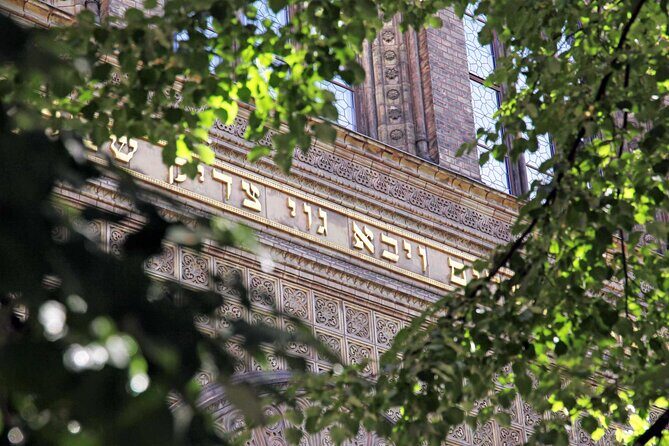
You begin at Museum Blindenwerkstatt Otto Weidt, a site that catches attention for a reason. It’s tied to a Berlin story that isn’t only about what Nazis did, but also about how people sometimes found small ways to help others endure.
Even though your stop is short (about 10 minutes), the guide’s job is to set the scene: why this place exists, and how it connects to the broader picture of persecution and survival. If you care about understanding the day-to-day texture of Nazi terror—how it affected real lives—this early start matters. It frames the rest of the walk so the later mass-memory sites don’t feel disconnected.
Practical note: since it’s an early stop and the tour keeps moving, come ready to listen. If you arrive a few minutes late, you’ll miss the setup that helps everything else click.
A synagogue center you should know: Stiftung Neue Synagoge Berlin
Next you head to Stiftung Neue Synagoge Berlin – Centrum Judaicum. This isn’t just another stop on a list. It’s there to remind you that Jewish life in Berlin wasn’t an afterthought—it was central, and it was targeted.
The guide uses the stop to explain the site’s history, which helps you understand how culture, community, and faith were impacted long before the war became the main headline. You also get a sense of continuity: how memory work happens in modern Berlin, and why the city holds onto these locations rather than treating them like distant history.
The stop is also about pacing (around 10 minutes). That’s a plus if you’re balancing the tour with other plans, but it means you should bring a few questions if you want more detail. If your guide is one of the talkative types—some people mention guides like Stefan or Xavier being especially engaging—you’ll likely find it easy to ask.
Anhalter Bahnhof: where deportations were part of the machinery
Then comes one of the most important stops: Anhalter Bahnhof. The tour focuses on the ruins and the role this railway setting played in deportations to concentration camps.
This is where the tour stops being “history” in the abstract and becomes logistics. Trains, schedules, holding areas—systems that made mass violence possible by turning it into routine operations. Your time here is brief (about 10 minutes), but the meaning is heavy.
One consideration: because it’s a moving, outdoor-focused walk, you may not get the same depth you’d get if you were able to spend hours reading or visiting exhibitions. Still, the value is that the guide explains the significance in plain language while you’re standing on the ground.
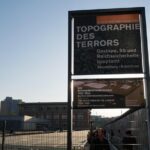
Topography of Terror: Gestapo, SS, and the bunker story
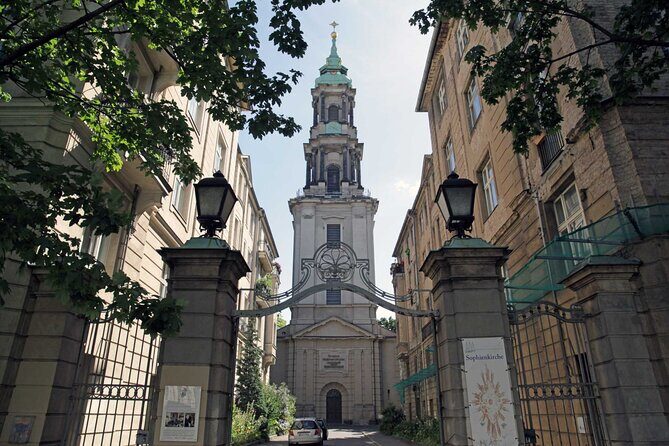
After that, you reach the Topography of Terror area. This stop is built to connect Berlin’s Nazi power centers to what they did on the ground.
In this part of the walk, the guide explains the former Gestapo and SS headquarters, and the site of Hitler’s bunker. Even with only outside views, this area often makes people go quiet. That’s not a bad thing. It’s the natural response when you realize how close everyday streets were to the organs of terror.
The stop is set for around 10 minutes, but this is one of those places where your brain will keep working after you move on. If your group is into discussion, the guide can usually adjust attention a bit based on interest—your tour is designed as a half-day with some flexibility.
You can also read our reviews of more private tours in Berlin






The Aviation Ministry area: power, authority, and enforcement
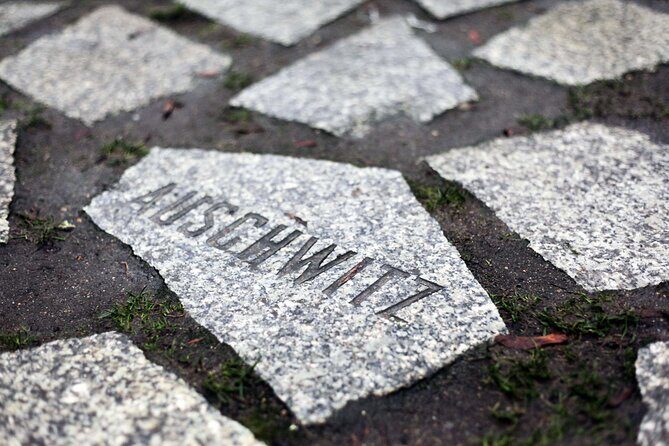
Next on the walk is the Aviation Ministery of Berlin stop, again explained by the guide in historical context.
This isn’t the kind of location that most people would pick on their own if they’re only hunting for famous WWII names. That’s exactly why it works on this tour: it helps you see how state authority spread across different parts of Berlin, not just the most obvious memorial spots.
Your time here is short (about 10 minutes), so the biggest win is the guide’s ability to connect the building’s relevance to the broader Nazi structure. If you like tours where the guide answers “why does this place matter,” this is a good fit.
Johann Georg Elser Sculpture: remembering resistance, not only victims
Then you’ll see the Johann Georg Elser Sculpture. Elser is a key figure because he represents the kind of resistance that isn’t just theoretical. The guide uses this stop to explain why his story matters in the Nazi context.
This is one of the ways this walk avoids a common trap: focusing only on victims and perpetrators. The tour also points you toward people who struggled against the Nazi system of terror, which adds dimension to the story.
If your guide is Rohan or Jasper, you may find the explanation especially interactive. Several visitors specifically praised those guides for answering questions and keeping the pace engaging without turning it into a lecture.
Holocaust Memorial: the feeling of scale, guided by context

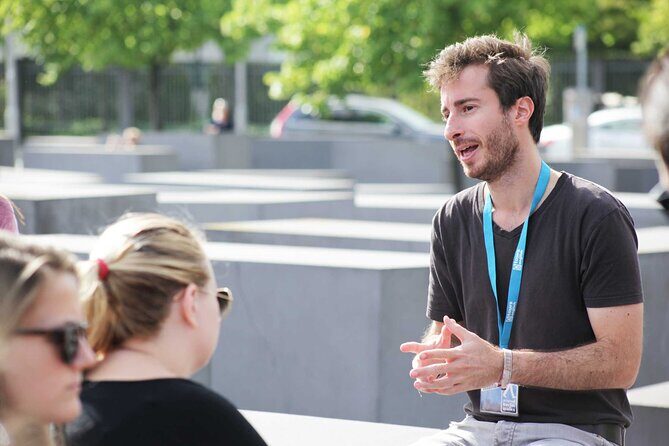
Next is the Holocaust Memorial – Memorial to the Murdered Jews of Europe. Your stop is about 15 minutes, which is just enough time to let the space do its job while you still stay in the tour rhythm.
This is where you should slow down. The memorial’s design is meant to create a personal, unsettling sense of scale. The guide’s role is to give you the context so your reaction isn’t just emotional; it also becomes informed. That’s a rare combination, and it’s part of why the tour gets strong marks.
One practical thing: this stop can feel exposed, depending on weather. Bring a layer if it’s cool and plan shade if it’s hot. The tour is walking-forward, so don’t expect long breaks.
The memorial for homosexual victims: a crucial stop, often missed
The tour includes the Monument to Homosexuals Persecuted Under the National Socialist Regime. This stop is about 10 minutes, but it carries a lot of meaning because it broadens the frame beyond the better-known categories of Nazi persecution.
You get a guided explanation of its history, which helps connect Nazi ideology to how it targeted identity. If your interest is in the full range of persecution, this stop makes the walk feel more complete.
It’s also a reminder that memorial culture is part of how Berlin tells its story today. The tour treats these sites as essential—not optional—and that matters.
Soviet Memorial Tiergarten: postwar memory on the same streets
Next you’ll see Soviet Memorial Tiergarten, explained by the guide as well. This adds another layer to Berlin’s WWII narrative because it ties memory and loss to the Soviet presence and what came after.
Your time is around 10 minutes. That keeps the flow, but it means you’ll want to pay attention to the guide’s framing so it doesn’t feel like yet another monument. The best tours at this level make you understand what each memorial is doing in the city’s story.
Ending at the Reichstag: you finish with a wider city view
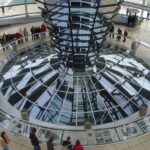
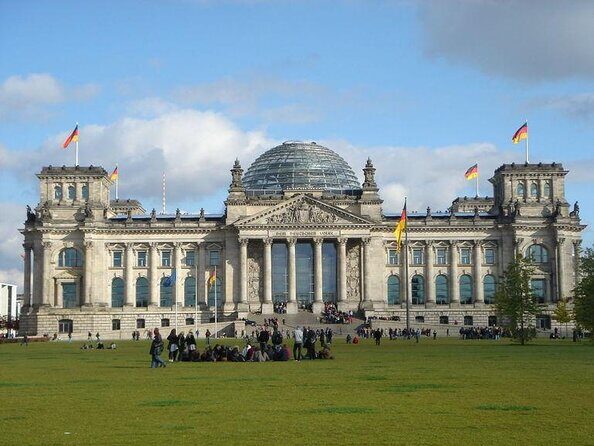
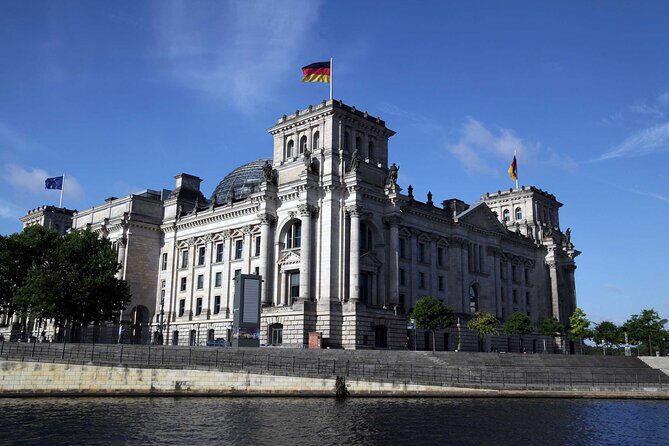
Finally, the tour ends near the Reichstag Building. You’ll see it from the outside, with about 10 minutes allocated for the guide to explain it.
This ending is practical: it gives you a central place to step out of the serious history mode and decide what your remaining time should be. You finish before the Reichstag parliament building, and the rest depends on your schedule and interest.
If you’re the type who wants to add another stop afterward, this is a good launch point. If you’re tired, you’ll still have a landmark finish that helps you navigate the rest of Berlin.
Price and logistics: what you’re really paying for
At $173.06 per person for a private 4-hour walk, you’re paying for two things: private group access and a professional guide who keeps the story tight and readable.
What helps with value is that the experience includes all fees and taxes and comes with a professional guide. Many stops list free admission for your time there, which reduces the usual “surprise costs” problem that hits themed tours. The only place where tickets matter is the transport piece and anything not included—here, the Reichstag is outside-view only.
You should plan for public transport separately. The tour notes a Single Ticket AB is required and estimates it at about 4€ per person. If you’re already planning to ride transit in Berlin that day, this fits fine. If you’re planning to walk everywhere anyway, you might not need much additional cost beyond local transport.
Two more logistics perks:
- Pickup is offered, so you might not have to arrive early just to find the starting spot.
- You’ll use a mobile ticket, which usually makes day-of check-in easier.
One key limitation to accept upfront: the guide explains many major sites, but you’ll not enter them. That’s a trade-off. You gain time and movement; you give up museum-style access.
Who this tour is for (and who should skip it)
This is a strong match if you want a Berlin WWII experience that’s structured, respectful, and specific. It also works well if you care about the full scope of Nazi-era persecution, including persecution of Jews, homosexuals, and others, plus resistance stories like Johann Georg Elser.
It’s also ideal for travelers who don’t want to puzzle out what a place was for. The walk is designed so you hear the meaning while you’re in the right spot.
You might want to choose a different style of tour if you specifically want to go inside major sites, read exhibits at length, or treat this as a casual history stroll. With outside-only viewing and short stop times, you’re getting interpretation and orientation more than museum time.
Should you book this private Berlin WWII walk?
If you want a focused half-day that turns Berlin’s Nazi-era sites into a coherent story, I’d book it. The route covers deportation, terror institutions, resistance, and multiple memorials, which makes it more than a one-note “dark history” walk.
The strongest reason to choose it is the guide-led format. When guides like Jasper, Stefan, Rohan, Lewis, or Xavier are on your group, visitors specifically praise the explanations and the way questions are handled. That kind of interaction matters in this subject, because it helps you understand what you’re looking at without the whole experience turning into a checklist.
If you’re okay with outside views and want your time to be efficient, this is a high-value way to see Berlin’s most painful WWII chapters with clarity and care.
FAQ
How long is the private walking tour?
It lasts about 4 hours (half-day format).
Is it a private tour for just my group?
Yes. It’s described as a private tour/activity, meaning only your group participates.
Do you enter the sites like the Reichstag or Topography of Terror?
No. The attractions are seen from the outside only, and the Reichstag building is also viewed from the outside.
Are there entrance fees included for the stops?
Most stop admissions are listed as free. Tickets are not included for the Reichstag building.
Do I need public transport tickets?
Public transport tickets are not included. The tour notes you may need a Single Ticket AB, estimated at about 4€ per person.
Is there free cancellation?
Yes. You can cancel for a full refund up to 24 hours in advance of the experience start time.