REVIEW · BERLIN
Private Alternative Berlin Tour -Murals, Graffiti and Squats
Book on GetYourGuide →Operated by Nadav Jacob's Berlin Experience · Bookable on GetYourGuide
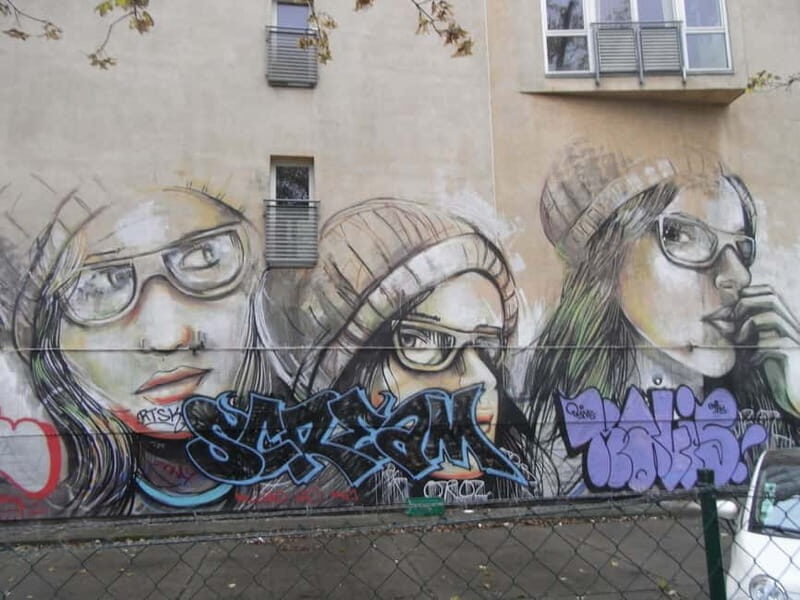
Berlin’s street art has a pulse. This private alternative tour threads together murals and Wall graffiti with the story of squats, punks, and hippie creativity, guided in English with hotel pickup. I especially like the interactive, ask-questions style of the walk, plus how the route uses short public-transport hops so you get context fast and can re-use it later. The main thing to consider: it’s a brisk 2.5 hours of walking and transit, so comfy shoes really matter.
Because it’s a private group, you’re not stuck listening from the back. You’ll cover a tight set of stops, from Potsdamer Platz and Alexanderplatz through Haus Schwarzenberg and the East Side Gallery, with the guide shaping the pace around what you want to focus on.
In This Review
- Key things I think you’ll notice fast
- Why this Berlin tour feels different from a normal graffiti walk
- The value question: $302 per group (and who it’s best for)
- How the route actually runs in 2.5 hours
- Potsdamer Platz to the first viewpoint: setting the scene
- Dead Chicken Alley: a focused street-art moment
- Alexanderplatz: alternative culture meets everyday Berlin
- Haus Schwarzenberg: where creative space shows up in the city
- East Side Gallery: Wall graffiti as a long-running conversation
- Friedrichshain-Kreuzberg and Oberbaumbrücke: the tour’s final emotional tone
- Guide quality is the difference maker here
- What’s included vs. what you handle yourself
- Who should book this alternative Berlin mural-and-graffiti tour
- Should you book? My straight answer
- FAQ
- How long is the private alternative Berlin tour?
- How much does it cost?
- Is the tour private?
- What language is the guide?
- Is hotel pickup included?
- Do I need public transport tickets?
- What should I wear or bring?
- Is there help available during the tour days?
- Is it cancelable?
Key things I think you’ll notice fast
- Private guide, flexible conversation: you can steer the tour toward what you care about most.
- Alternative Berlin explained through places: murals, wall graffiti, and the areas linked to DIY culture.
- Wall-to-neighborhood storytelling: you don’t just see art, you connect it to the city’s shifts since the Wall.
- Short public-transport segments: easier than committing to long stretches on foot.
- Hotel pickup and a picture folder: you leave with take-home visuals and explanations.
- Strong satisfaction from the guides: Nadav and Jacob come up repeatedly as friendly, professional, and easy to work with.
Why this Berlin tour feels different from a normal graffiti walk
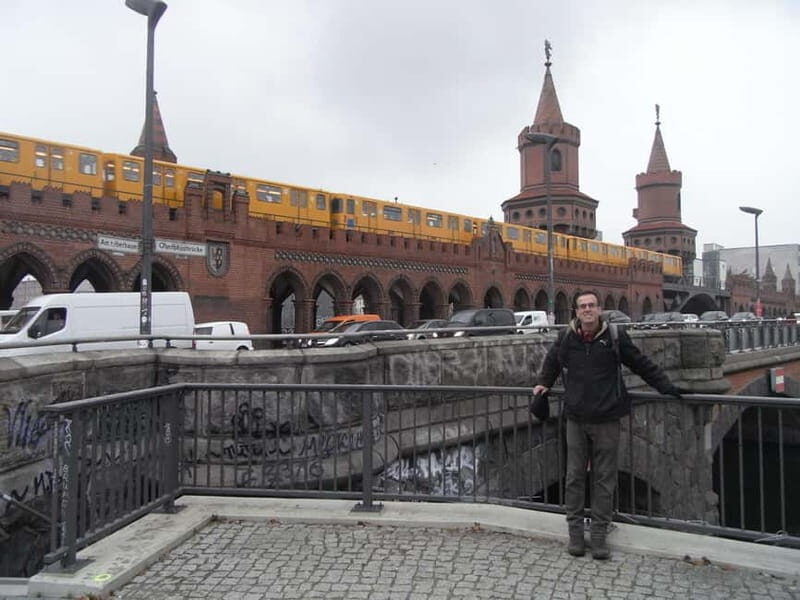
Berlin’s alternative scene isn’t just street art on a wall. It’s a whole approach to living: making space, improvising community, and turning damaged buildings into something useful—sometimes art, sometimes shelter, often both. That’s what this tour is trying to show you: how the city’s look and attitude grew out of the postwar years and the years around the Wall.
I like that the tour explains the why behind what you’re seeing. If you’ve ever looked at graffiti in passing and thought, cool, but… what’s the point?—this format helps. You get historical context without turning it into a lecture, and you get current observations without pretending nothing has changed.
One other reason this works: the guide doesn’t just point. They connect details on the street to bigger themes like how affordable living pulled in artists and how gentrification can shift what’s possible. In other words, you’re not just collecting photos. You’re learning how Berlin’s alternative culture keeps reforming.
You can also read our reviews of more walking tours in Berlin


The value question: $302 per group (and who it’s best for)
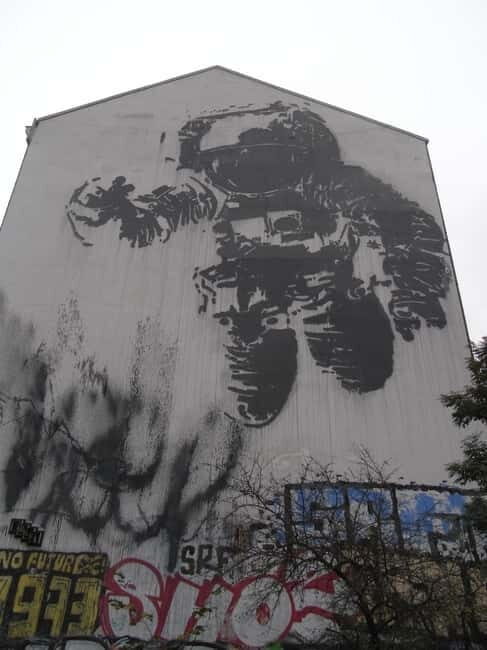
This tour costs $302 per group for up to 6 people, for about 2.5 hours. That pricing works best when you split it. If you book as a couple, you’ll feel it more than a group of six, but you’re still getting something you don’t get on standard group tours: a true private guide, hotel pickup, and a route planned around alternative Berlin sites rather than generic landmarks.
Here’s what you’re paying for, practically:
- A professional, experienced guide leading an English private tour
- Hotel pickup (from reception or another specified location)
- A picture folder with interactive explanations
- Direct guide support by WhatsApp before and after for recommendations
- A route that mixes street-art stops with short transit time, so you see more in less planning
And yes, you’ll spend a little extra on your own for public transport tickets (listed as 4–10 euro). Food/snacks aren’t included either (5–15 euro if you add a break). That doesn’t make it a bad deal; it just means you should budget like you would for any city-based transit day.
Best fit:
If you want street art plus cultural context—and you care about asking questions—this tour is a strong use of time. It’s also a great choice if you’re the planner-type in your group and you want an expert to point you toward the next stops after the tour ends.
How the route actually runs in 2.5 hours
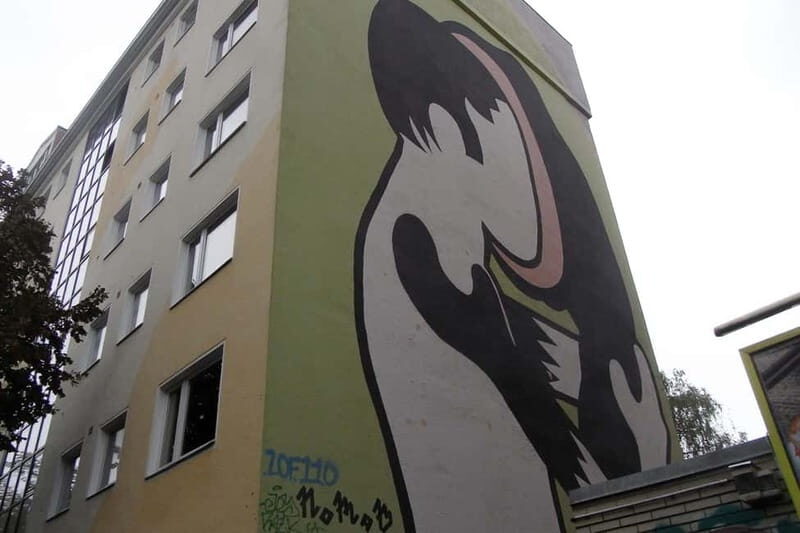
This is a “move-and-look” tour. You’ll start with pickup in Berlin, then take transit, then do guided segments at each key spot. The pacing is built around quick guided stops (often 10–20 minutes) plus a longer block at the East Side Gallery.
From a planning standpoint, this matters because alternative Berlin sites aren’t always next to each other. The tour’s mix of walking and public transport keeps the route efficient without feeling like you’re sprinting. It’s also why the guide can connect the dots between neighborhoods: you’re not stuck in one bubble.
Practical expectations:
- You should expect comfortable walking plus a few public-transport hops.
- You’ll spend most of your time at places with visible art: murals, tags, and Wall-related graffiti.
- You’ll also get cultural context to help interpret what you’re seeing beyond the surface.
Bring comfortable shoes. That’s not a nice-to-have here—it’s the difference between enjoying the route and counting down minutes.
Potsdamer Platz to the first viewpoint: setting the scene
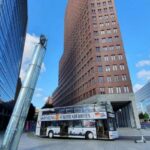
The tour starts with Potsdamer Platz as your first guided stop. That’s a smart move. It gives you a major city hub right at the start, then the guide can contrast what you’re seeing now with the alternative pull Berlin had during cheaper periods, especially the postwar years and the era around the Wall.
From there you’ll hit a viewpoint stop. It’s short (about 10 minutes), but the point is bigger than a photo. A good viewpoint helps you orient yourself in a city where neighborhoods feel distinct, and where art is often tied to geography and social history.
What I like about this early structure: it helps you stop “spotting” art and start “reading” the city. You’re not just looking down at walls; you’re learning how the city’s shifts shaped where scenes developed.
Dead Chicken Alley: a focused street-art moment
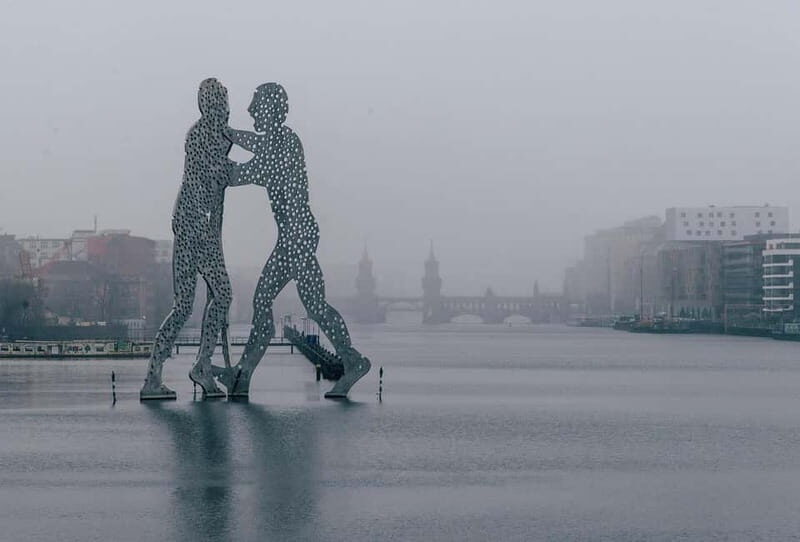
Next comes Dead Chicken Alley for a short guided look (about 10 minutes). Even without getting overly specific about any one wall, this is the kind of stop that changes how you see the rest of the tour.
Short alley spots matter because they compress a lot of street language into a small area—different tags, different layers, and different styles that make sense only when you know that Berlin has been a magnet for creative outsiders for decades. The guide’s job here is to help you see the relationships: what’s newer vs. what feels older, what looks like it’s reacting to the neighborhood, and how the style fits the overall alternative vibe.
Possible drawback: these quick stops can feel fast if you’re hoping for long photo time at every point. That’s why the private format is helpful—you can ask for more time at the stops that grab you.
You can also read our reviews of more private tours in Berlin



Alexanderplatz: alternative culture meets everyday Berlin
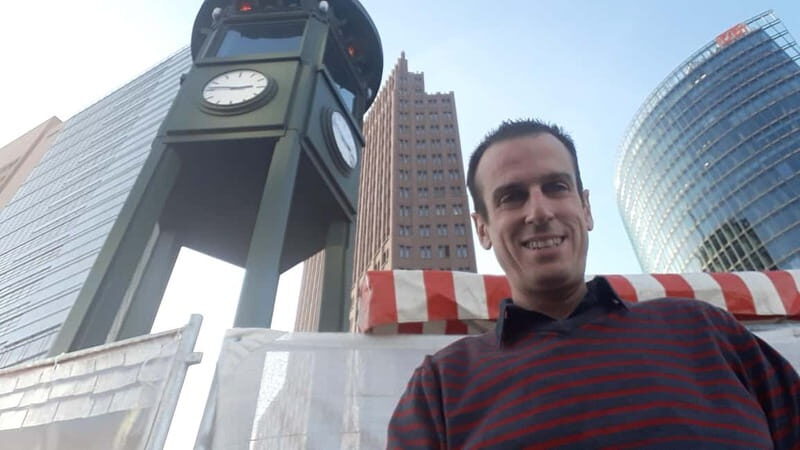
Then you move on to Alexanderplatz for a guided segment (about 20 minutes). This stop is useful because it shows you that alternative Berlin didn’t only live in remote corners. It spread into real daily life—places where people actually commute, shop, and move through the city.
The guide uses this part to connect past and present. Berlin’s alternative story includes artists, hippies, punks, and improvised communities that formed when living was cheaper and the built environment was fractured. Even with constant gentrification, you still see echoes—sometimes in the art, sometimes in the attitude, sometimes in the spaces where creativity still has room to breathe.
If you like understanding how counterculture and mainstream life rub shoulders, this is one of the stops that will make the tour feel coherent.
Haus Schwarzenberg: where creative space shows up in the city
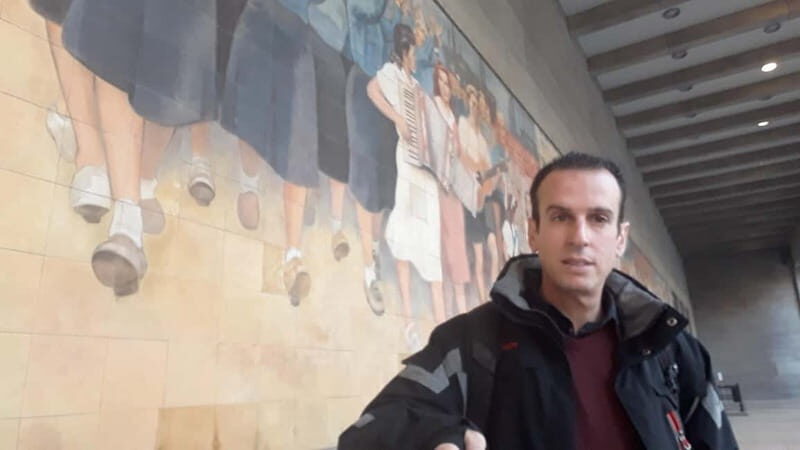
Haus Schwarzenberg gets about 20 minutes guided time. This is the kind of stop where the guide’s interpretation matters more than any one single visual detail.
The tour frames these alternative spaces as part of Berlin’s “past and current living art.” That means you’re looking for more than posters and murals. You’re listening for explanations about why Berlin attracted people who wanted to live differently, and how the city’s buildings—especially damaged or later-unused ones—became platforms for projects, galleries, and communities.
What to watch for as you walk:
- how the space relates to the surrounding streets
- how the visual style fits the alternative narrative the guide is building
- any cues the guide mentions about how these scenes evolved over time
Possible drawback: if you’re mainly chasing the most intense graffiti surfaces, this stop may feel more about culture and space than pure wall-to-camera art. Still, it’s a key piece of the overall puzzle.
East Side Gallery: Wall graffiti as a long-running conversation
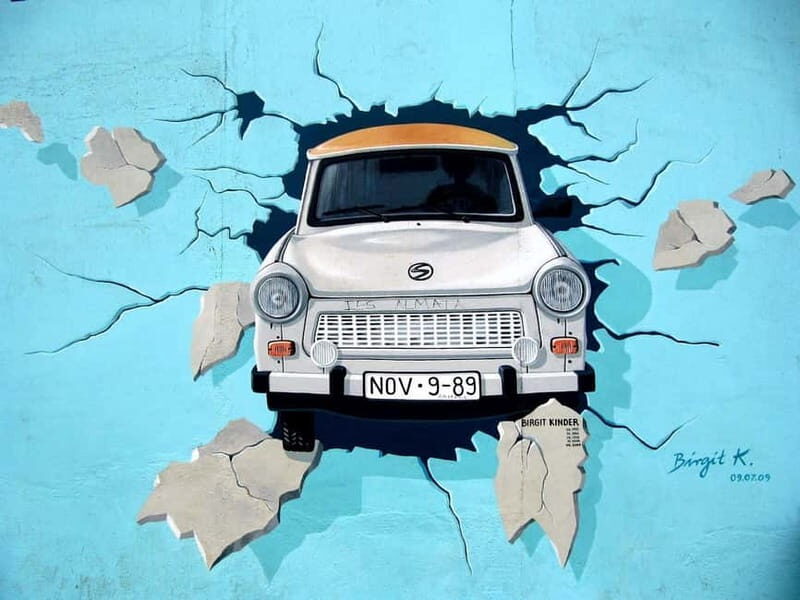
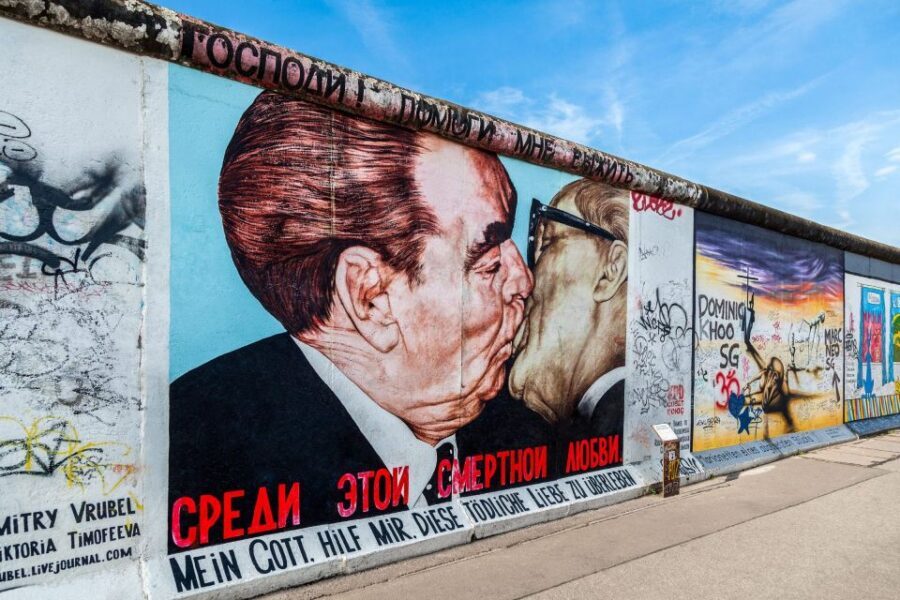
This is the headline stop: East Side Gallery, with about 45 minutes guided. If you’re here for murals and Wall graffiti, this is where the tour justifies its entire theme.
East Side Gallery isn’t just a wall covered in images. It’s a place where art acts like a public record—expressions from different moments, different artists, and different reactions to Berlin’s political shifts. The tour’s historical framing helps you read it as more than decoration.
The benefit of having a guide here is timing and interpretation. You can spend hours looking at graffiti and still miss the “why.” With context, you’re more likely to notice patterns: recurring themes, different styles of messaging, and how artists used the Wall as a canvas for identity and critique.
I’d plan to slow down at this stop. Use the full guided time to ask questions, especially if you want to understand how street art can carry political meaning without turning into a textbook.
Friedrichshain-Kreuzberg and Oberbaumbrücke: the tour’s final emotional tone
After the East Side Gallery, you’ll spend time in Friedrichshain-Kreuzberg (about 15 minutes guided). This area is repeatedly linked with alternative culture, and the tour uses it to show how Berlin’s scenes became neighborhood-based. Here, the guide can connect the dots between the artwork you just saw and the lived culture that surrounds it.
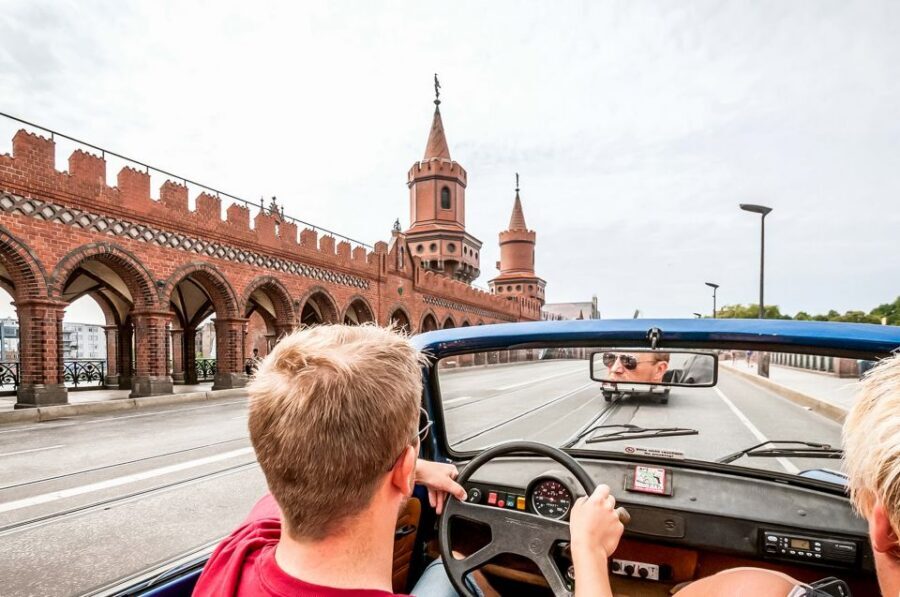
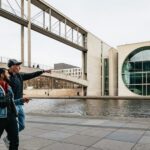
Then you finish near Oberbaumbrücke (about 10 minutes guided). Bridge-area stops can feel quick, but they’re useful for closure. You get one last view that helps you connect the geography of the city to its eras—the kind of final mental map that makes you feel like you’re leaving with understanding, not just pictures.
By this point, you’ve gone from history (cheap living, artists and outsiders flowing in) to visible expression (murals and Wall graffiti) to present-day neighborhood cues. It’s a satisfying arc.
Guide quality is the difference maker here
This tour’s biggest strength isn’t only the sites. It’s the guide style.
In the feedback tied to this experience, guides like Nadav and Jacob are praised for being friendly and professional, with a talent for storytelling that makes Berlin’s past feel close. One standout theme is flexibility: the guide can personalize where you spend time based on what interests you mid-tour.
That matters because “alternative Berlin” can mean different things to different people. Some want graffiti and wall work. Others care more about squats and the city’s social experiments. The best version of this tour is the one that can adjust to your curiosity in real time.
What’s included vs. what you handle yourself
Included:
- Hotel pickup from the reception desk or a meeting spot you specify
- A professional guide leading the city tour in English
- A picture folder with interactive explanations about Berlin’s alternative style
- WhatsApp availability before and after for recommendations and help
- A private group setup (so the guide can actually tailor the pacing)
Not included:
- Public transport tickets (4–10 euro)
- Food, coffee, snacks during any break (5–15 euro)
This trade-off is pretty normal for Berlin city tours. The key is that you’re not paying extra for the guide time. You’re paying for a private expert and an interpretation layer that helps you understand what you’re seeing.
Who should book this alternative Berlin mural-and-graffiti tour
Book it if:
- You want street art with context, not just photo stops
- You prefer a private guide who can adjust to your interests
- You like the idea of exploring Berlin’s alternative roots—hippie, punk, squats, house projects—through real locations
- You’re visiting for a short time and want a focused route that still feels meaningful
Skip it (or think twice) if:
- You hate walking and standing for short guided moments
- You only want the most famous photo-perfect walls and nothing else
- You’re trying to keep your budget ultra-tight once you add transit tickets and a snack
Should you book? My straight answer
Yes, if you care about meaning behind the art. This tour is built for people who want to understand how Berlin’s creative counterculture grew out of specific historical conditions—and how you can still read that story in murals, Wall graffiti, and the neighborhoods connected to squats and DIY life.
If you’re the type who gets bored by generic sightseeing, the private format and the guide’s storytelling style are exactly the point. For $302 per group up to 6, it can be excellent value, especially if you split with friends or family.
If your main goal is to spend hours photographing only one or two iconic walls, you might not get full satisfaction from a 2.5-hour sampler. But for most people who want a strong first pass through alternative Berlin, it’s a smart buy.
FAQ
How long is the private alternative Berlin tour?
It lasts about 2.5 hours.
How much does it cost?
The price is $302 per group, up to 6 people.
Is the tour private?
Yes, it’s a private group tour.
What language is the guide?
The live tour guide speaks English.
Is hotel pickup included?
Yes. Pickup is included from the hotel reception or another location you specify.
Do I need public transport tickets?
Yes. Public transport tickets are not included and cost about 4–10 euro.
What should I wear or bring?
Wear comfortable shoes. The tour includes walking and public transport.
Is there help available during the tour days?
Yes. The provider offers WhatsApp availability before and after the tour for recommendations and information.
Is it cancelable?
Yes. You can cancel up to 24 hours in advance for a full refund.