REVIEW · BERLIN
Berlin Sightseeing Musical-Historical Walking Tour
Book on GetYourGuide →Operated by CityVoice UG · Bookable on GetYourGuide
Berlin sounds different when you walk.
This is a music-led sightseeing walk that uses headphones playing an audio guide mixed with music, turning key monuments into moments in a soundtrack from the 18th century to the 21st. I like how the stops are big, unmistakable Berlin icons you can actually see up close, and I like the way the story links historical turning points to changing musical styles.
One heads-up: the tour’s human guide is more of a signpost and walking support, while the heavy lifting comes from the audio. And on the rare day when the tech glitches, the group can feel it fast, because the headphones are central to the experience.
In This Review
- Key things to know before you go
- How the musical, headphone-led format changes Berlin for you
- Meeting at Alte Nationalgalerie and keeping the pace right
- Museum Island: turning art-and-empire monuments into listening moments
- Humboldt University: history of ideas, and why music fits the story
- Gendarmenmarkt: a public square that carries drama
- Trabi Museum: where the sound moves into more personal Berlin
- Potsdamer Platz: a modern stage for changing eras
- Holocaust Memorial area: keep your headphones, and keep your respect
- Brandenburg Gate and Reichstag: where Berlin’s sound meets its symbols
- The walk ends near White Crosses: what to do with the time you save
- $40 for 3 hours: where the value actually comes from
- Languages, weather, and mobility: small facts that change comfort
- Who this tour suits best (and who might want a different style)
- Should you book this Berlin Musical-Historical Walking Tour?
- FAQ
- How long is the Berlin Sightseeing Musical-Historical Walking Tour?
- Where does the tour start?
- Where does the tour end?
- How much does it cost?
- What’s included in the price?
- What languages are available?
- Will the tour run in bad weather?
- Is food and drinks included?
- What should I bring?
- Is the tour suitable for wheelchair users or seniors?
Key things to know before you go

- Headphones run the show: the guide helps you navigate, while the audio guide provides the narration and musical mix.
- Three hours, real walking: you’ll cover a tight route with multiple short segments and brief breaks.
- Major landmarks on the route: Museum Island, Humboldt University, Gendarmenmarkt, Trabi Museum, Potsdamer Platz, the Holocaust Memorial area, Brandenburg Gate, and the Reichstag.
- History through sound: the storyline jumps across decades, from classical oratorios to hip-hop styles.
- Rain or shine: it operates outdoors, with some stops affected by weather.
- Not for everyone: it’s listed as not suitable for wheelchair users and people over 70.
How the musical, headphone-led format changes Berlin for you
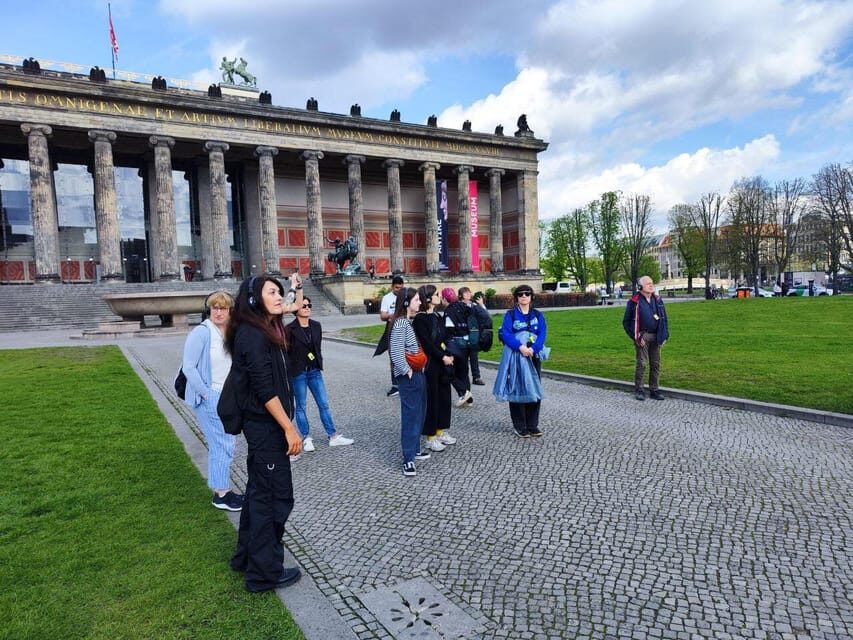
Berlin already has a soundtrack, but you won’t hear it the same way after this tour. With headphones included, you’re not relying on whatever someone is saying in real time. Instead, you get an audio guide mixed with music, and that blend is the trick: you start treating architecture, streets, and memorial spaces like stages in a long performance.
The concept is simple and clever. Berlin’s major events shaped what people said, sang, and argued about—so the tour uses landmarks as anchors for that shift. The audio aims to connect the dots between history and sound, from classical oratorios through later styles up to what the tour describes as 21st-century music.
You can also read our reviews of more walking tours in Berlin



Meeting at Alte Nationalgalerie and keeping the pace right
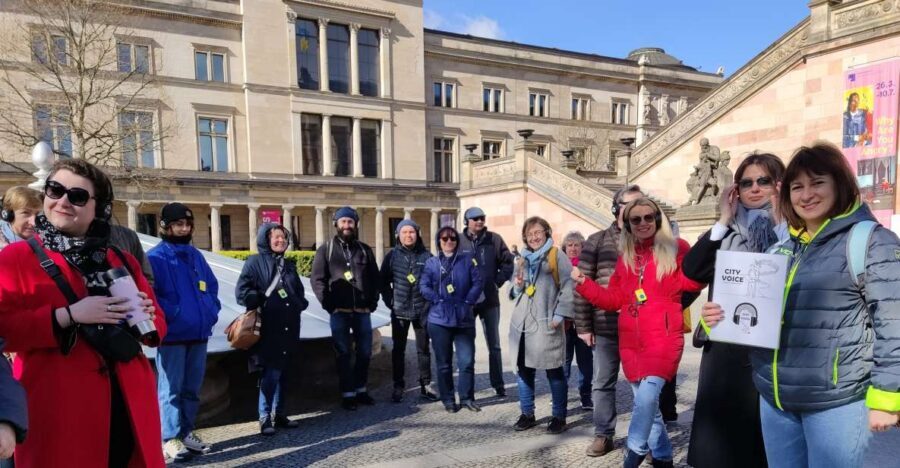
You start outside the Alte Nationalgalerie, and the guide waits at the entrance holding a sign for the headphones. Plan to arrive 10–15 minutes early. That matters more than you’d think, because you’ll want time to get your ticket ready (phone or printed) and confirm you’ve got the correct audio setup before you start walking.
The route is designed for a steady pace with short walking segments between stops. You’ll get small breaks along the way, but this is not a sit-down tour. Bring comfortable shoes and expect that you’ll be moving for most of the 3-hour window.
One more practical note: it’s English, German, and Russian (with the matching audio option). If you’re deciding between languages, pick the one you’ll comfortably follow even when you’re walking through busy areas.
Museum Island: turning art-and-empire monuments into listening moments
Your first scheduled stop after the start is Museum Island (about 20 minutes). This is a smart first anchor because it instantly signals the tour’s theme: Berlin’s cultural prestige isn’t separate from the politics around it. Through the audio, the island becomes more than a collection of museums—it becomes a place where ideas and power share the same stage.
Expect a guided walk-and-sightseeing segment where the audio ties the location to musical eras. You don’t just look at buildings; you hear a timeline-like soundtrack that’s meant to make transitions feel natural. If you love figuring out how one era’s style leads to the next, this part tends to click.
Possible drawback here: because the audio is central, you’ll want to keep your attention split between where you’re walking and what you’re hearing. If you prefer constant live commentary, you may find this style less satisfying than a traditional guide-led narration.
Humboldt University: history of ideas, and why music fits the story
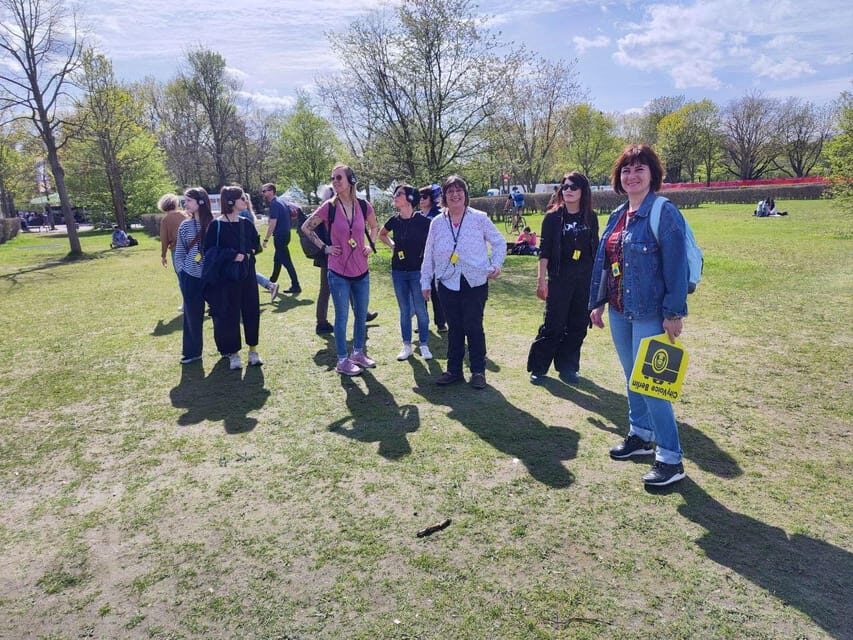
Next comes Humboldt University of Berlin (about 20 minutes). This stop works well for the tour’s promise that music became an engine of history. Universities are where movements of thought get formalized, and in Berlin, many shifts in society also shaped what composers and performers were responding to.
On your walk here, the audio guide mixes music with context, aiming to show how intellectual life and public life influence each other. You’ll get a guided sightseeing moment, and the point is to help you notice details you might skip on a quick pass.
Practical tip: if you’re the type who likes to pause and take photos, do it quickly. The tour has multiple short stops, and rushing for photos at one location can make the rest feel harder than it needs to.
Gendarmenmarkt: a public square that carries drama
At Gendarmenmarkt you get around 30 minutes—usually enough time to absorb the square’s stage-like feel without feeling trapped in place. The audio story uses this area to shift you toward a different musical tone, keeping the decades moving as you move.
What I like about this stop is that it helps you understand how performance culture fits into everyday city life. Even if you’re not a “music-history person,” the tour’s approach makes the connection feel physical: the setting looks made for spectacle, and the audio treats it that way too.
Consideration: the route is outdoors, and your experience will depend on how crowded the square is at the time you go. You may need a moment to find a spot where you can hear your headphones clearly.
You can also read our reviews of more historical tours in Berlin






Trabi Museum: where the sound moves into more personal Berlin
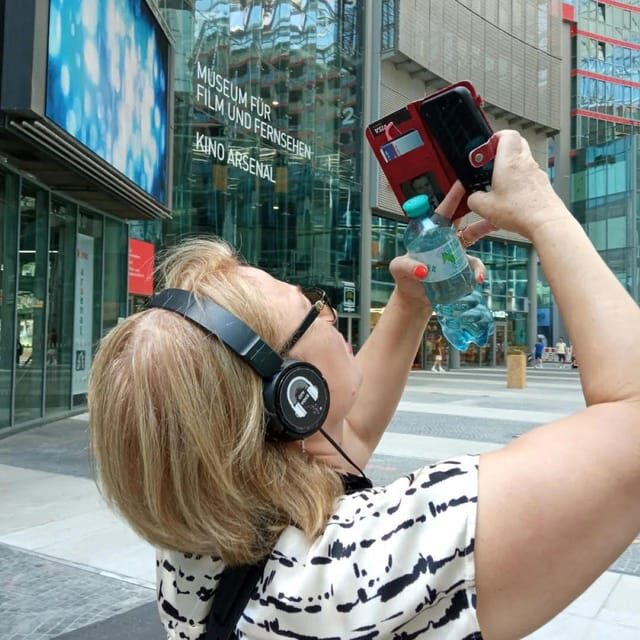
The tour then heads to Trabi Museum (about 20 minutes). The name alone tells you this is not just a lecture about grand official history. This stop is part of the way the audio guide is framed: Berlin’s story isn’t only top-down politics, it’s also everyday life, identity, and how people express themselves over time.
Here’s how to think about it: the tour uses each landmark as a cue to shift musical “settings.” So you’re not just walking from one famous building to the next—you’re moving between cultural moods, each tied (by the audio guide) to specific historical periods.
If you’re curious about how culture changes under different social conditions, this is the kind of stop that often makes the walking tour feel more human. If you’re expecting a museum ticket experience, note that this is listed as a guided sightseeing walk segment, not a full museum visit.
Potsdamer Platz: a modern stage for changing eras
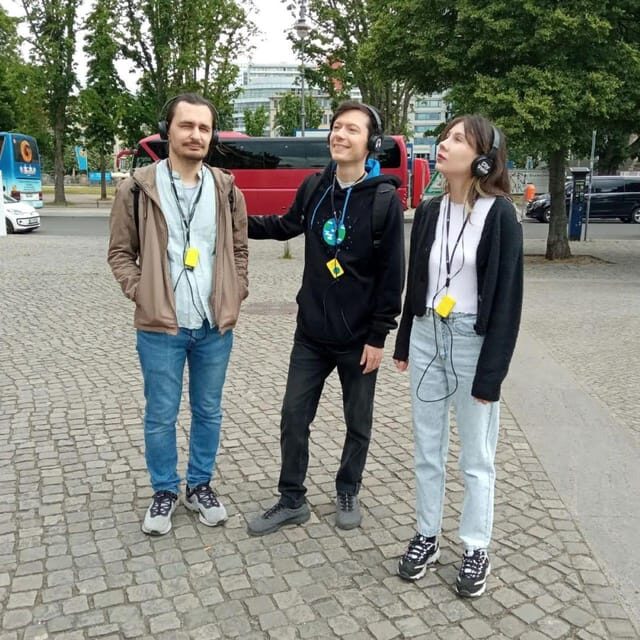
At Potsdamer Platz you get about 20 minutes. This is a useful stop in a musical-historical format because it sits in the part of Berlin many people associate with “now”: movement, redevelopment, and the feeling of a city remade.
The audio’s goal is to connect those visible changes to how Berlin’s music evolved—so you hear the story as if the city itself is shifting styles. That makes Potsdamer Platz more than a photo stop. It becomes a “listen and look” moment: you’re matching what you hear with what you see.
If you travel with someone who hates walking tours, this is likely where they’ll start warming up. The space is open enough to give you breathing room, and the landmark density is high, which helps the audio stay grounded.
Holocaust Memorial area: keep your headphones, and keep your respect

The schedule includes a stop at the Memorial to the victims of the Holocaust (about 20 minutes). This is the emotional center of the route, even if the audio approach is the same technical format throughout.
Important mindset: choose your tone before you arrive. The tour uses headphones mixed with music, but you should still treat the setting with care and don’t rush. Give yourself a minute to slow down, absorb the space, and then let the audio guide do its work.
A practical consideration: because the memorial environment is sensitive and often visited, you might encounter people who need quiet. Keep your volume to what’s appropriate in your headphones, and don’t try to talk over the audio in a way that disrupts the moment.
Brandenburg Gate and Reichstag: where Berlin’s sound meets its symbols
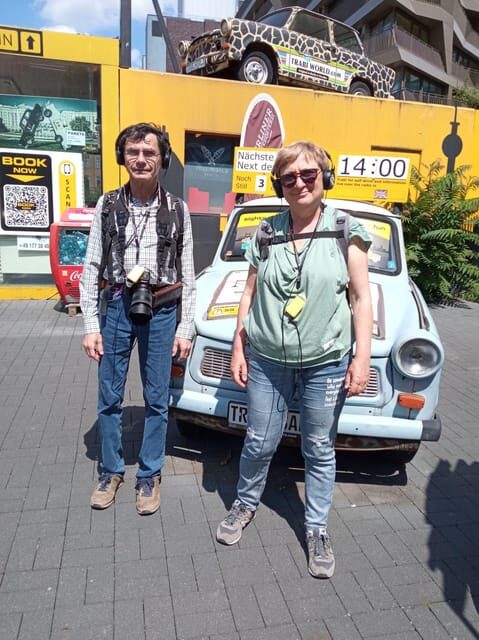
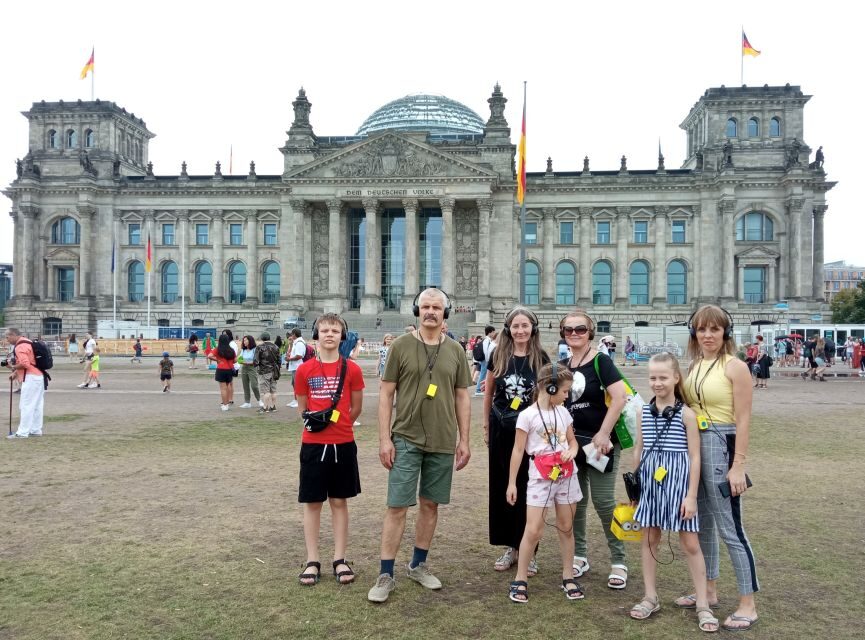
You’ll then reach Brandenburg Gate (about 20 minutes) and later the Reichstag (about 20 minutes), with guided sightseeing at both. These are the kinds of places where music and politics have always tangled together. The tour’s concept fits perfectly here: national symbols are not neutral, and songs don’t stay neutral either.
At Brandenburg Gate, the audio helps frame how public spaces carry meaning across time. At the Reichstag, you’re in the zone where governance, public identity, and historical memory are all visible at once. Listening while you look makes the changes across eras feel less abstract.
One thing to watch: because the route is popular, you may have to work around foot traffic. Headphones help, but you’ll still want to keep situational awareness so you don’t drift off toward crowd edges.
The walk ends near White Crosses: what to do with the time you save
The tour is listed as finishing at White Crosses. The general description also notes that the activity ends back at the meeting point, which suggests the route may return toward the start area depending on how the walk is timed.
Either way, you’ll likely be finishing in a central Berlin zone. Use the remaining time to do what a headphone tour can’t: slow down without audio. Walk into a museum you’ve been passing for days, grab a coffee near the route, or take a longer look back at one of the monuments that hit hardest for you.
$40 for 3 hours: where the value actually comes from
At $40 per person for about 3 hours, this tour is positioned as a value play: you’re paying for a guided route plus headphones and a multi-language audio experience. The stops are packed with major Berlin landmarks, which means you’re not spending extra time figuring out how to connect everything yourself.
Where the price makes sense for your budget:
- You get a structured walking route linking multiple iconic sights.
- Audio is included, so you’re not relying on overheard commentary.
- The music-and-history theme gives you a reason to pay attention at every stop.
Where it may not be worth it:
- If you strongly prefer constant live narration, you may find the guide’s role limited.
- If you hate walking for long stretches, this route may feel tighter than you want.
Languages, weather, and mobility: small facts that change comfort
The tour runs with a live guide available in English, German, and Russian, and the audio guide is also provided in those languages. You’ll wear headphones throughout, with the audio guide mixed with music.
It operates rain or shine. That’s good for planning, but remember: some locations are weather-dependent, so your experience can shift if conditions are rough. Bring layers if Berlin is doing its usual thing and gives you sun plus wind plus sudden cloud cover.
Mobility note: it’s not suitable for wheelchair users, and it’s listed as not suitable for people over 70. If you’re between mobility levels, it’s worth considering how comfortable you are with steady walking and stairs near landmarks.
Who this tour suits best (and who might want a different style)
This is a strong pick if you:
- like music history as a way to understand places
- want a guided route without having to plan logistics every day
- enjoy headphones and audio storytelling while walking
- are comfortable splitting attention between your surroundings and what you’re hearing
I’d steer you away if you:
- expect a traditional guide who talks constantly at each stop
- dislike tours where headphones are the main information channel
- need very flexible pacing or minimal walking time
Should you book this Berlin Musical-Historical Walking Tour?
If you want Berlin to feel like a story told through sound, this tour is an easy yes. The landmark list is impressive, the audio format keeps the experience moving, and the multi-decade theme gives even familiar sights a fresh angle.
If you hate headphone-led narration or you’re sensitive to technical issues (one audio system failure can affect the whole group mood), you may prefer a fully live guided tour instead. But for most people, the mix of big sights plus a music-and-history storyline is exactly the kind of “do it once” experience that makes a city click.
FAQ
How long is the Berlin Sightseeing Musical-Historical Walking Tour?
The tour duration is 3 hours.
Where does the tour start?
You meet in front of the entrance to the Alte Nationalgalerie. The guide will be holding a headphone sign.
Where does the tour end?
The end point is listed as White Crosses. The activity description also notes it ends back at the meeting point.
How much does it cost?
It costs $40 per person.
What’s included in the price?
Headphones and a walking guide are included.
What languages are available?
The live tour guide and the audio guide are available in English, German, and Russian.
Will the tour run in bad weather?
The tour takes place rain or shine, though some locations are weather-dependent.
Is food and drinks included?
No. Food and drinks are not included.
What should I bring?
Wear comfortable shoes and comfortable clothes. Headphones are provided.
Is the tour suitable for wheelchair users or seniors?
It is not suitable for wheelchair users and it is listed as not suitable for people over 70.